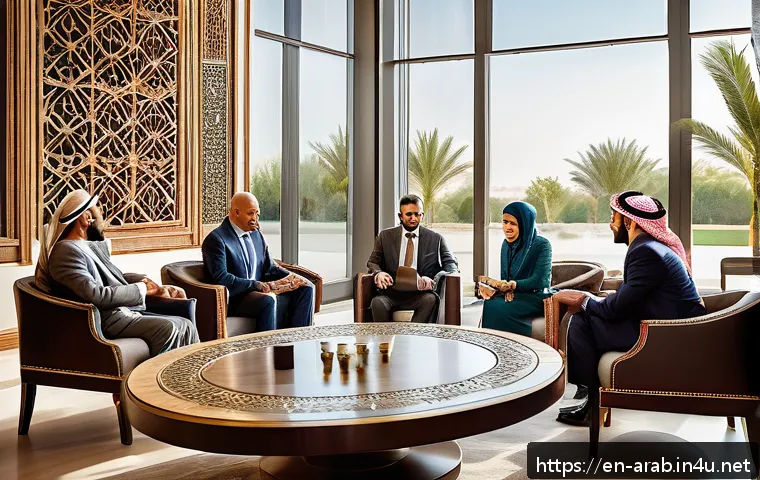
As the Arab world experiences rapid digital transformation, e-commerce is emerging as a game-changer for businesses and consumers alike. With smartphone penetration soaring and young, tech-savvy populations eager to shop online, the region is ripe with potential.
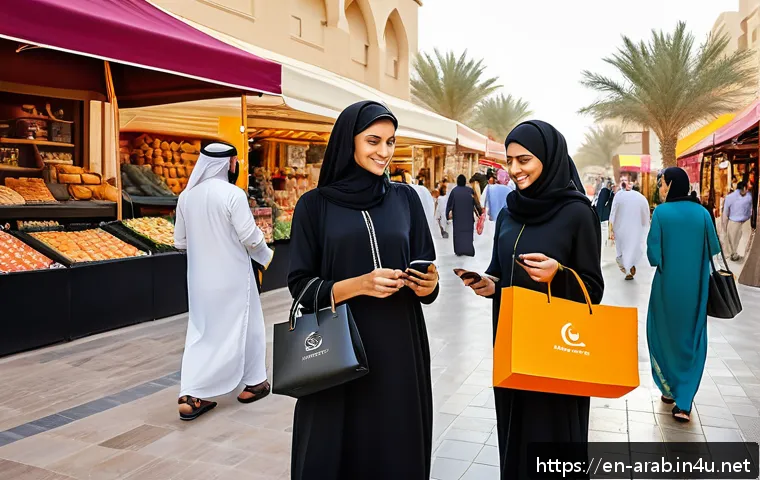
Yet, navigating unique cultural and logistical challenges remains crucial for success. In this post, we’ll explore the latest trends shaping the market, the hurdles entrepreneurs face, and the exciting opportunities waiting to be unlocked.
Whether you’re a startup founder or a curious shopper, understanding this evolving landscape is key to staying ahead. Let’s dive into the future of e-commerce in the Arab world together.
Adapting to Consumer Preferences and Payment Innovations
Understanding Local Buying Habits
The Arab market’s consumer behavior is uniquely influenced by cultural norms, religious practices, and social values. For instance, many shoppers prioritize trust and brand reputation over just price or convenience.
Cash on delivery remains extremely popular, as it builds confidence in the transaction, especially among first-time online buyers. I’ve noticed that shoppers often prefer detailed product descriptions and customer reviews, which help bridge the trust gap when they cannot physically inspect items.
Offering Arabic language support and localized content also plays a huge role in engaging users, making them feel comfortable and understood.
Payment Methods Driving Growth
While credit card penetration is growing, alternative payment methods are still king in the region. Mobile wallets, bank transfers, and cash on delivery together form the backbone of e-commerce transactions here.
Recently, fintech startups have been revolutionizing payment gateways by introducing seamless, secure, and user-friendly platforms. Personally, I found that integrating multiple payment options boosts conversion rates significantly, as customers choose the method they feel safest with.
Additionally, the rise of buy-now-pay-later services is beginning to appeal to younger, budget-conscious consumers, opening up new avenues for sales growth.
The Impact of Digital Wallets and Mobile Payments
Smartphone penetration has catalyzed a surge in mobile payments, especially in countries like the UAE and Saudi Arabia. Digital wallets such as STC Pay and Apple Pay have gained traction, offering instant and convenient checkout experiences.
From my experience working with regional startups, mobile-first payment solutions not only reduce cart abandonment but also encourage impulse purchases.
The speed and security these wallets provide align perfectly with the expectations of tech-savvy millennials and Gen Z shoppers, making them vital tools in any e-commerce strategy.
Logistics and Delivery: Overcoming Geographic and Infrastructure Challenges
Addressing Last-Mile Delivery Complexities
One of the toughest hurdles for e-commerce businesses in the Arab world is last-mile delivery, especially in rural or less densely populated areas. Complex addressing systems and limited infrastructure can delay shipments or even cause failed deliveries.
I’ve seen companies invest heavily in geo-location technologies and partnerships with local courier services to navigate these challenges. Offering flexible delivery options, like pick-up points and scheduled time slots, also helps in improving customer satisfaction and reducing operational headaches.
Warehouse and Fulfillment Innovations
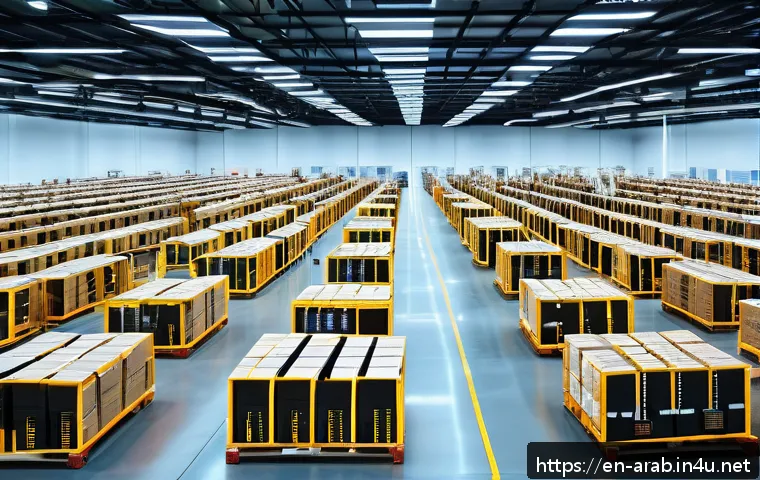
To keep pace with rising demand, many businesses are adopting automation and smart warehousing solutions. Robotics, AI-driven inventory management, and real-time tracking systems streamline operations and cut costs.
From my observations, companies that implement these technologies can handle spikes during peak seasons more efficiently, ensuring faster order fulfillment and fewer errors.
This level of sophistication is becoming a competitive edge, especially for cross-border sellers aiming to penetrate multiple Arab markets.
Environmental Considerations in Delivery
Sustainability is gradually influencing logistics decisions across the region. Consumers are increasingly aware of environmental impact, pushing businesses to explore greener delivery options.
Electric vehicles, eco-friendly packaging, and carbon offset programs are no longer just buzzwords but tangible initiatives. Personally, I admire brands that transparently communicate their sustainability efforts, as it builds loyalty among environmentally conscious shoppers and sets them apart in a crowded marketplace.
Shaping the Future: Emerging Technologies and Market Opportunities
AI and Personalization in Shopping Experiences
Artificial intelligence is transforming how online retailers engage with customers. From chatbots providing instant support to AI-driven recommendations tailored to individual preferences, personalization enhances the shopping journey.
I’ve tested platforms where AI predicts what I might want next based on past purchases and browsing patterns, making shopping feel effortless and intuitive.
For Arab consumers who value convenience and relevance, this technology is a game-changer, fostering deeper connections between brands and buyers.
Social Commerce and Influencer Marketing
Social media channels like Instagram, TikTok, and Snapchat play a massive role in driving e-commerce traffic. Influencers who resonate with local culture and language have immense sway over purchasing decisions.
In my experience, collaborations with micro-influencers often yield higher engagement and trust compared to celebrity endorsements. Shoppable posts and live-stream selling are gaining momentum, blending entertainment with retail and creating new revenue streams for savvy entrepreneurs.
Cross-Border E-Commerce Expansion
The Arab world is not just a consumer market but also a gateway for regional trade. Businesses are increasingly looking beyond borders to tap into neighboring countries with similar cultural backgrounds and consumer profiles.
Navigating customs, taxes, and regional regulations can be tricky but rewarding. From what I’ve seen, leveraging regional trade agreements and local partnerships reduces friction and accelerates growth, offering a promising path for startups aiming to scale quickly.
Key Market Dynamics and Consumer Segmentation
Diverse Demographics and Shopping Preferences
The Arab world is far from monolithic; it consists of varied age groups, income levels, and urban versus rural divides. Young, urban consumers tend to be early adopters of technology, while older or rural populations might require more education and reassurance.
From my interactions, segmenting audiences and tailoring marketing messages accordingly is crucial to avoid a one-size-fits-all approach. This targeted strategy enhances engagement and drives higher conversion rates.
Role of Gender in E-Commerce Trends
Women represent a rapidly growing segment in online shopping, driven by increased internet access and social empowerment. However, cultural sensitivities around privacy and payment methods mean that platforms need to ensure discreet, secure shopping experiences.
I’ve noticed that female shoppers often value customer service and return policies more than average, indicating the importance of building trust through after-sales support and clear communication.
Urbanization and Its Influence on Demand
Rapid urban growth in cities like Riyadh, Dubai, and Cairo is reshaping consumption patterns. Urban dwellers have higher disposable incomes and better internet access, fueling demand for diverse product categories, from fashion to electronics.
I’ve observed that urban consumers expect faster deliveries and premium services, pushing e-commerce companies to innovate continuously. Meanwhile, rural areas present untapped potential but require tailored logistics and marketing strategies.
Challenges of Regulatory Environment and Consumer Protection
Navigating Varying Legal Frameworks
Each Arab country has its own set of e-commerce laws, data privacy regulations, and consumer rights policies. This patchwork can confuse businesses trying to operate regionally.
From firsthand experience advising startups, staying compliant demands thorough legal counsel and adaptable business models. Understanding local taxation, customs duties, and licensing is essential to avoid costly penalties and build a sustainable brand reputation.
Building Trust through Consumer Rights and Transparency
Trust remains a cornerstone in this market, where consumers are cautious about online fraud and product authenticity. I’ve found that transparent return policies, clear warranty information, and responsive customer service go a long way in alleviating concerns.
Platforms that proactively educate users about their rights and secure transactions tend to see higher loyalty and repeat purchases.
The Role of Government Initiatives
Governments across the Arab world are increasingly supportive of digital economies, launching programs to boost e-commerce infrastructure, cybersecurity, and digital literacy.
I’ve witnessed positive impacts where public-private partnerships fund incubators and innovation hubs, creating fertile ground for startups. Staying informed about these initiatives can help entrepreneurs access grants, training, and networking opportunities that accelerate growth.

Comparing Leading Markets and Their Unique Strengths
| Country | Smartphone Penetration | Popular Payment Methods | Key E-Commerce Categories | Logistics Strength |
|---|---|---|---|---|
| UAE | 95% | Credit Cards, Digital Wallets | Fashion, Electronics, Beauty | Advanced with fast delivery options |
| Saudi Arabia | 90% | Cash on Delivery, Bank Transfers | Electronics, Groceries, Apparel | Improving with government support |
| Egypt | 70% | Cash on Delivery, Mobile Payments | Consumer Goods, Apparel | Challenged by infrastructure but growing |
| Morocco | 65% | Cash on Delivery, Mobile Money | Fashion, Electronics | Developing logistics networks |
Market Leadership through Innovation
Countries like the UAE leverage advanced infrastructure and higher income levels to pioneer new technologies and customer experiences. Saudi Arabia benefits from a large, youthful population and increasing government investment.
Egypt and Morocco, while facing more logistical and economic challenges, represent huge growth opportunities due to their population size and expanding internet access.
Tailoring Strategies by Market
The diversity among Arab countries means businesses must customize their approach. For example, offering cash on delivery might be critical in Egypt but less so in the UAE.
Similarly, marketing messages that work well in Gulf countries may need adjustment to resonate in North Africa. From what I’ve learned, the best-performing companies are those who invest in local insights and agile strategies to meet each market’s distinct needs.
Leveraging Social Trends and Community Engagement
Harnessing the Power of Influencers and Content Creators
Social media influencers have become trusted voices in Arab e-commerce, shaping trends and consumer opinions. I’ve seen firsthand how collaborations with influencers who genuinely connect with their followers can dramatically boost brand awareness and sales.
Authentic storytelling and culturally relevant content resonate deeply, encouraging followers to engage and purchase.
Community-Driven Shopping Experiences
Group buying and referral programs are gaining popularity as social proof and peer recommendations remain powerful motivators. In my experience, platforms that create a sense of community around their products—through forums, reviews, or loyalty programs—build stronger, more loyal customer bases.
This communal approach also helps overcome skepticism and encourages first-time buyers.
The Role of Mobile-First Engagement
Since the majority of users access e-commerce via smartphones, mobile-optimized websites and apps are non-negotiable. Push notifications, in-app promotions, and seamless checkout flows create an immersive experience.
I noticed that brands investing in mobile user experience see higher retention and repeat purchases, especially among younger demographics who expect instant gratification.
Building Sustainable Growth Through Customer-Centric Approaches
Prioritizing Customer Service Excellence
Exceptional customer service is a key differentiator in the Arab e-commerce scene. Prompt responses, multilingual support, and hassle-free returns create a positive reputation.
I’ve encountered brands that go beyond expectations by offering personalized follow-ups and loyalty rewards, which significantly boost customer lifetime value.
Investing in Data-Driven Decision Making
Data analytics empower businesses to understand buyer behavior, optimize inventory, and tailor marketing campaigns. From my experience, companies that harness data effectively can anticipate trends and adapt quickly, gaining an edge over competitors.
This approach also helps in identifying pain points and refining the user experience continuously.
Embracing Omnichannel Strategies
Combining online and offline touchpoints ensures a seamless shopping journey. Whether it’s click-and-collect, in-store returns, or integrated loyalty programs, omnichannel retailing meets customers where they are.
I’ve noticed this hybrid approach appeals especially to shoppers who enjoy the convenience of online browsing but prefer physical store interactions for certain purchases.
Emerging Opportunities in Niche Markets and Vertical Integration
Focus on Specialized Product Categories
Niche sectors like halal cosmetics, local handicrafts, and organic foods are gaining traction as consumers seek authenticity and quality. I’ve seen startups thrive by targeting these underserved segments with tailored marketing and storytelling that highlights cultural heritage and ethical values.
Vertical Integration for Quality and Control
Some e-commerce players are moving upstream by producing their own goods or partnering directly with manufacturers. This model improves quality control, reduces costs, and accelerates delivery times.
From my observations, vertical integration also fosters innovation and brand uniqueness, which are crucial in a crowded marketplace.
Expanding into Digital Services and Subscriptions
Beyond physical goods, digital services such as online education, entertainment subscriptions, and fintech solutions are booming. Integrating these offerings with e-commerce platforms creates additional revenue streams and deepens customer engagement.
I believe this trend will redefine how businesses build long-term relationships with their audience in the Arab world.
In Conclusion
Adapting to the diverse and evolving Arab e-commerce landscape requires a deep understanding of local consumer behaviors, payment preferences, and logistical challenges. Embracing emerging technologies and tailoring strategies by market can unlock significant growth opportunities. Building trust, prioritizing customer experience, and leveraging community engagement are essential for sustainable success in this dynamic region.
Useful Information to Keep in Mind
1. Consumer trust in the Arab market hinges on transparent policies, localized content, and reliable payment options like cash on delivery.
2. Mobile payments and digital wallets are reshaping the checkout experience, especially among younger, tech-savvy shoppers.
3. Overcoming last-mile delivery issues through innovative logistics solutions is critical for expanding reach beyond urban centers.
4. Social commerce and influencer collaborations offer powerful channels to connect authentically with local audiences.
5. Data-driven insights and omnichannel approaches enhance customer satisfaction and foster long-term loyalty.
Key Takeaways
Understanding regional nuances—from cultural values to regulatory environments—is vital for e-commerce success in the Arab world. Offering multiple payment methods that align with consumer preferences improves conversion rates, while investment in smart logistics and sustainability initiatives strengthens brand reputation. Leveraging AI, social media, and tailored marketing strategies enables businesses to engage diverse demographics effectively. Ultimately, prioritizing customer-centric practices and continuous innovation will drive growth and establish competitive advantage across this rapidly evolving market.
Frequently Asked Questions (FAQ) 📖
Q: uestions about E-commerce in the
A: rab World
Q: What are the main factors driving the rapid growth of e-commerce in the
A: rab region? A1: The surge in e-commerce across the Arab world is primarily fueled by high smartphone penetration and a youthful, tech-savvy population eager to embrace online shopping.
Many young consumers prefer the convenience and variety offered by digital platforms. Additionally, improvements in internet infrastructure and increased digital literacy have made online shopping more accessible.
Governments and private sectors are also investing heavily in digital transformation initiatives, which further accelerates e-commerce adoption. However, it’s not just technology; cultural shifts toward embracing modern retail experiences play a big role as well.
Q: What cultural and logistical challenges do businesses face when entering the
A: rab e-commerce market? A2: One key challenge is accommodating diverse cultural preferences and languages across different countries within the region.
Businesses must offer localized content and payment options that resonate with local consumers. Trust issues around online payments and delivery reliability can also hinder adoption, so building a strong reputation is crucial.
Logistically, delivering goods across vast and sometimes infrastructure-limited areas poses difficulties, especially in remote regions. Entrepreneurs must also navigate varying regulations and customs procedures, which can slow down operations if not carefully managed.
Q: How can startups and entrepreneurs best capitalize on the e-commerce opportunities in the
A: rab world? A3: To succeed, startups should focus on deep market research to understand local consumer behavior and preferences. Offering multiple payment methods, including cash-on-delivery, can help overcome trust barriers.
Investing in reliable last-mile delivery solutions tailored to local geography is vital. Building strong customer service and leveraging social media for brand engagement also pays off.
Personally, I’ve seen that partnering with local influencers and adapting marketing messages to cultural nuances creates authentic connections with buyers.
Finally, staying agile and ready to innovate according to evolving trends will keep businesses competitive in this dynamic market.