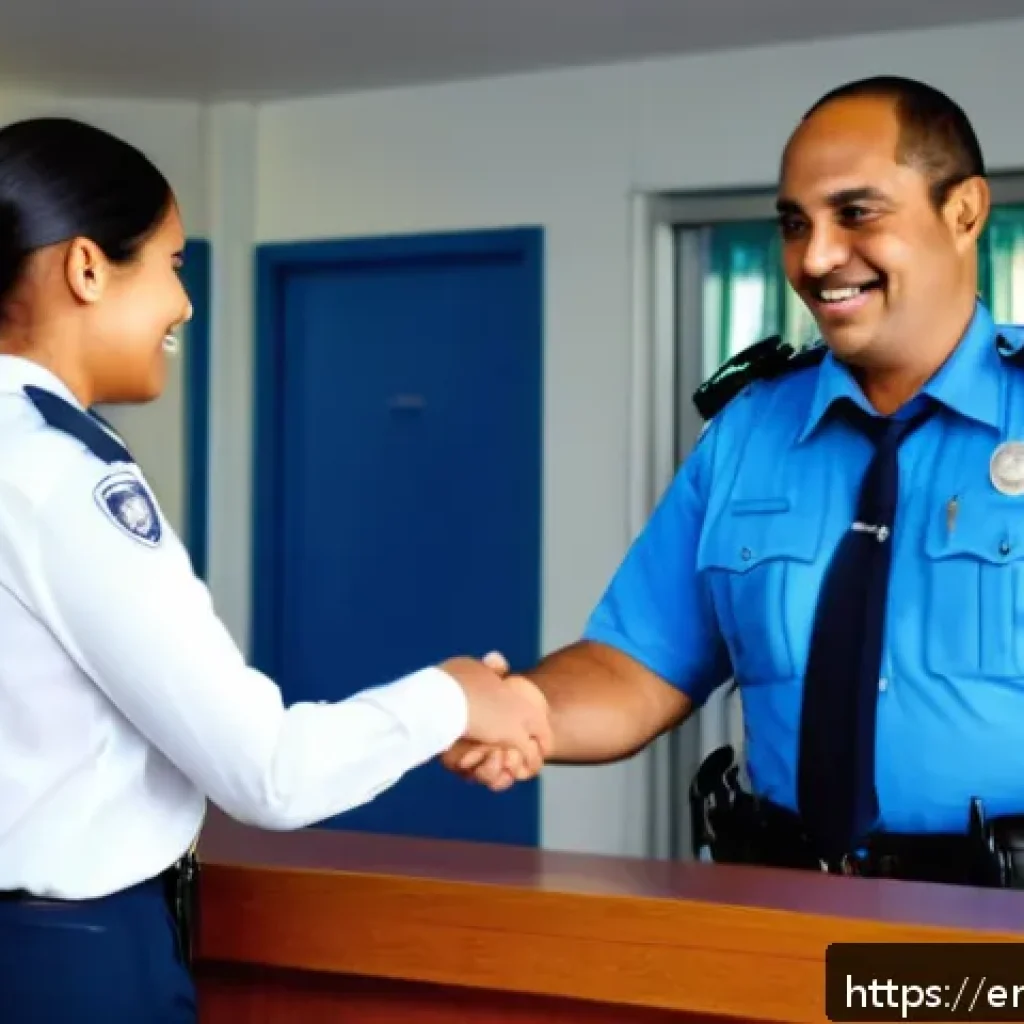
Traveling through the Middle East offers a fascinating blend of rich culture and history, but it can also bring unexpected moments where clear communication is essential—especially at police stations.
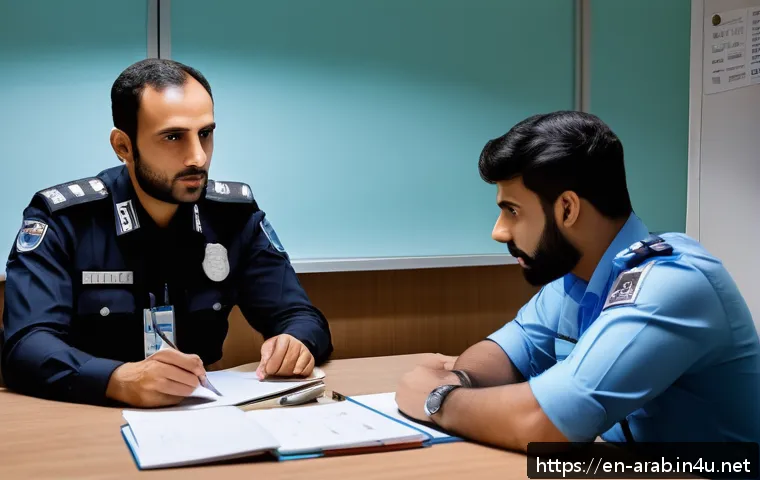
Recently, with heightened security measures across various countries, knowing how to express yourself confidently in Arabic can make all the difference.
Whether it’s a simple inquiry or addressing a more serious matter, mastering key phrases not only eases your experience but also shows respect for local customs.
In this guide, I’ll share practical Arabic expressions that helped me navigate these situations smoothly, giving you the confidence to handle any police interaction during your trip.
Let’s dive into the essential language tools that every traveler should have on hand for peace of mind abroad.
Understanding the Basics of Police Station Interactions
Greeting and Introducing Yourself
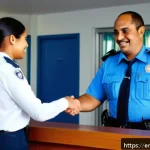
When you first enter a police station, the initial impression matters. A polite greeting like “السلام عليكم” (As-salamu alaykum, meaning “Peace be upon you”) can immediately set a respectful tone.
Follow this by stating your name clearly: “أنا اسمي [Your Name]” (Ana ismi [Your Name]). I found that introducing myself this way helped break the ice and showed that I was cooperative and approachable.
The officers seemed to appreciate the effort to use Arabic greetings, which made the interaction smoother from the start.
Explaining Your Situation Calmly
It’s common to feel nervous, but speaking slowly and clearly helps avoid misunderstandings. Phrases like “هل يمكنني التحدث معك؟” (Hal yumkinuni attahadduth ma’aka?
– Can I speak with you?) or “أحتاج إلى مساعدة” (Ahtaju ila musaadah – I need help) were lifesavers in my experience. When I explained my situation using simple sentences, such as “لقد ضعت في المدينة” (Laqad du’itu fi al-madina – I got lost in the city), officers were more patient and attentive.
I recommend practicing these phrases before your trip so you can deliver them naturally under stress.
Requesting Specific Help or Information
If you need to ask for something specific, like a translator or information about your rights, using clear and polite requests is key. Try “هل يوجد مترجم؟” (Hal yujad mutarjim?
– Is there a translator available?) or “أين يمكنني الاتصال بسفارتي؟” (Ayna yumkinuni al-ittisal bisifarti? – Where can I contact my embassy?). When I asked these questions directly, the officers responded quickly, appreciating my straightforward approach.
It’s good to have these phrases handy on your phone or a small card.
Handling Documentation and Identification Issues
Presenting Your ID or Passport
Presenting identification is often the first step in any police interaction. The phrase “هل يمكنني رؤية هويتك؟” (Hal yumkinuni ru’yat hawiyatik? – Can I see your ID?) is common, so be prepared to respond with “تفضل هذه هويتي” (Tafaddal hadhihi huwiyati – Here is my ID).
I remember feeling more confident when I had my documents ready and could say this clearly. Carrying a photocopy of your passport is also a smart move to speed things up.
Explaining Lost or Stolen Documents
If your documents are lost or stolen, it’s important to communicate that quickly. Saying “لقد فقدت جواز سفري” (Laqad faqadtu jawaz safri – I lost my passport) or “تم سرقة محفظتي” (Tum sariqat mihfazati – My wallet was stolen) helps the officers understand your problem immediately.
During my trip, this phrase saved me from unnecessary confusion and led to prompt assistance. Always keep emergency contact numbers written down, as you may need to share them.
Understanding Police Requests for Your Information
Sometimes officers might ask for additional details like your phone number or address. Responding with “رقمي هو…” (Raqmi huwa… – My number is…) or “أنا أقيم في…” (Ana uqim fi…
– I am staying at…) was straightforward for me. Knowing these phrases helped me provide information confidently without fumbling over words, which definitely eased the tension during questioning.
Expressing Concerns and Complaints Effectively
Reporting an Incident Clearly
When reporting an incident, it’s crucial to be precise and factual. Phrases like “أريد الإبلاغ عن حادث” (Urid al-iblagh ‘an hadith – I want to report an incident) and “وقع هذا في…” (Waqa’a hatha fi…
– This happened at…) helped me narrate events chronologically. I found that officers responded better when I stuck to clear, simple descriptions without unnecessary details.
Prepare to repeat key facts calmly and avoid emotional overload for best results.
Requesting Follow-up or Updates
If you want to check on the progress of your case, you can say “هل يمكنني معرفة التحديثات؟” (Hal yumkinuni ma’rifat attahdithat? – Can I know the updates?).
I used this phrase to politely ask for information without sounding impatient. Officers often appreciated the respectful tone, which encouraged them to provide updates willingly.
It’s a good phrase to keep in your language toolkit for ongoing matters.
Expressing Dissatisfaction Respectfully
In cases where you feel your concerns aren’t addressed properly, you might need to express dissatisfaction without offending. Using “أنا قلق بشأن…” (Ana qalq bishan…
– I am concerned about…) or “هل يمكنني التحدث إلى مسؤول أعلى؟” (Hal yumkinuni attahadduth ila mas’ul a’la? – Can I speak to a higher authority?) helped me voice concerns firmly yet politely.
This approach maintained a constructive dialogue and avoided escalating tensions unnecessarily.
Navigating Questions About Your Travel Purpose and Duration
Explaining Your Reason for Visit
Officers often ask why you are in the country. Simple phrases like “أنا هنا للسياحة” (Ana huna lissiyaha – I am here for tourism) or “أنا أزور الأصدقاء” (Ana azur al-asdiqa’ – I am visiting friends) clarify your intentions.
When I stated my purpose clearly, it reassured the officers about my intentions and helped avoid further questioning. Being honest and straightforward is always the best policy in these situations.
Stating Your Length of Stay
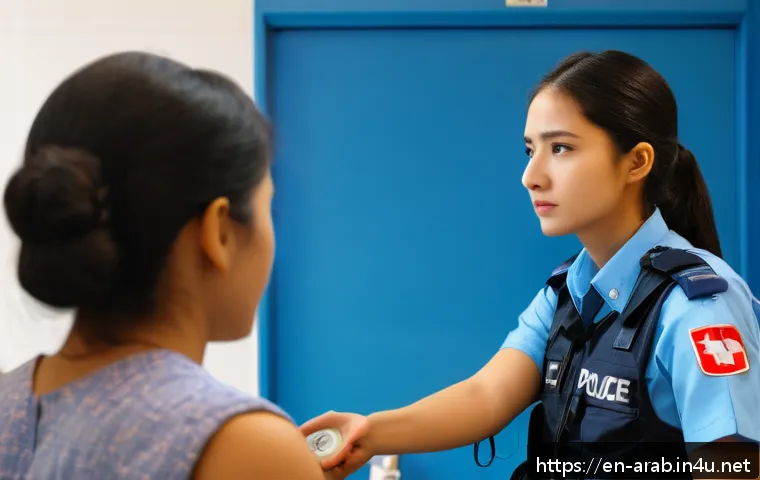
Knowing how to express your duration of stay is equally important. Saying “سأبقى لمدة أسبوع” (Sa’abqa limuddat usbua’ – I will stay for one week) or “مدة إقامتي هي شهر” (Muddat iqamati hiya shahr – My stay is one month) helps officers understand your travel plans.
I noticed that when I provided this information upfront, the process went much smoother. It also showed that I was organized and transparent about my trip.
Answering Questions About Accommodation
When asked where you will be staying, you can say “أنا أقيم في فندق” (Ana uqim fi funduq – I am staying at a hotel) or “عنواني هو…” (Unwani huwa… – My address is…).
I always kept my accommodation details handy in both Arabic and English, which made sharing this information quick and easy. Officers often check this to ensure you have a legitimate place to stay, so having it ready prevents delays.
Requesting Medical or Emergency Assistance
Expressing the Need for Immediate Help
In emergencies, time is critical. Saying “أحتاج إلى مساعدة طبية عاجلة” (Ahtaju ila musaadah tibbiya ‘ajila – I need urgent medical help) conveys the urgency clearly.
I recall a moment when a fellow traveler needed assistance, and using this phrase helped summon quick support. Don’t hesitate to use it loudly and clearly if needed; it’s universally understood as a priority request.
Describing Symptoms or Injuries
If you need to explain symptoms, phrases like “أنا أشعر بألم في…” (Ana ashur bi’alam fi… – I feel pain in…) or “لقد تعرضت لإصابة” (Laqad ta’aradtu li’isabah – I have been injured) allow you to communicate effectively even if your Arabic isn’t perfect.
I practiced these expressions before my trip, and when I needed to describe a minor injury, it made the medical staff’s job easier. Try to learn basic body parts in Arabic for this purpose.
Asking for Contact Information or Directions to Hospitals
Knowing how to ask for directions or contact numbers is also useful. Use “أين أقرب مستشفى؟” (Ayna aqrab mustashfa? – Where is the nearest hospital?) or “هل يمكنني الحصول على رقم الطوارئ؟” (Hal yumkinuni al-husul ‘ala raqam al-tawari?
– Can I get the emergency number?). I found these phrases invaluable when helping others and myself during travel mishaps. Having a list of emergency contacts in Arabic on your phone can save precious time.
Essential Vocabulary and Phrases Summary
| Situation | Arabic Phrase | English Translation | Usage Tip |
|---|---|---|---|
| Greeting | السلام عليكم | Peace be upon you | Use when entering or addressing police |
| Introducing Yourself | أنا اسمي [Name] | My name is [Name] | Helps establish identity politely |
| Requesting Help | أحتاج إلى مساعدة | I need help | Use when needing assistance urgently |
| Lost Passport | لقد فقدت جواز سفري | I lost my passport | Essential for reporting lost documents |
| Reporting Incident | أريد الإبلاغ عن حادث | I want to report an incident | Start with this phrase for official reports |
| Emergency Medical Help | أحتاج إلى مساعدة طبية عاجلة | I need urgent medical help | Use in medical emergencies |
| Asking for Translator | هل يوجد مترجم؟ | Is there a translator available? | Request language assistance politely |
| Asking About Updates | هل يمكنني معرفة التحديثات؟ | Can I know the updates? | Follow up on your case respectfully |
Building Confidence Through Practice and Preparation
Role-playing Common Scenarios
Before traveling, I found it incredibly helpful to role-play typical police station interactions with a friend or language partner. Practicing questions like “Where are you from?” or “Do you have identification?” helped me respond quickly and naturally.
This rehearsal reduced my anxiety and made me feel more in control when real situations arose. Even spending a few minutes daily on these drills can make a huge difference.
Using Language Apps and Flashcards
I personally used apps that focus on travel Arabic, creating flashcards for essential phrases. Reviewing these during downtime kept the vocabulary fresh in my mind.
When I actually needed to speak, the words flowed much more smoothly than I expected. For anyone feeling overwhelmed, breaking down the language learning into bite-sized chunks like this is a game changer.
Staying Calm and Respectful
Finally, no matter how well you know the language, staying calm and respectful during interactions is vital. I learned that patience, a friendly tone, and body language that conveys openness often mattered just as much as the words I used.
Smiling when appropriate and maintaining eye contact helped build rapport and eased tense moments. Remember, your attitude can be your best tool when navigating unfamiliar situations abroad.
In Conclusion
Interacting with police stations in a foreign country can be intimidating, but being prepared with key phrases and a calm attitude makes a big difference. Practicing simple greetings, explanations, and requests helps build confidence and smooths communication. Remember, respect and clarity are your best tools when navigating these situations.
Helpful Tips to Keep in Mind
1. Always carry copies of your important documents to avoid delays and confusion.
2. Learn and practice essential phrases related to emergencies and identification before your trip.
3. Use polite and clear language when addressing officers to foster cooperation.
4. Keep emergency contacts and embassy information easily accessible in both your language and the local language.
5. Staying calm and respectful can ease tense moments and improve the overall interaction experience.
Key Takeaways for Successful Police Station Interactions
Being well-prepared with relevant vocabulary and phrases tailored to police interactions enhances your ability to communicate effectively. Prioritizing a respectful tone and clear explanations encourages helpful responses from officers. Additionally, practicing common scenarios ahead of time can reduce anxiety and improve your confidence in real situations. Ultimately, combining preparation with patience ensures smoother and more positive encounters during your travels.
Frequently Asked Questions (FAQ) 📖
Q: What are some essential
A: rabic phrases to use when communicating with police in the Middle East? A1: When interacting with police, it’s important to be polite and clear. Key phrases include “Ana saafir” (I am a traveler), “Hal tatahaddath al-Ingleezi?” (Do you speak English?), and “Ayna maktab al-shurta?” (Where is the police station?).
Also, knowing how to say “I need help” – “Ahtaj musa’ada” – can be very useful. Using these phrases shows respect and helps keep the situation calm.
Q: How can I prepare myself linguistically before visiting Middle Eastern countries to avoid misunderstandings at police checkpoints?
A: Preparing in advance by learning basic Arabic phrases related to identification, travel documents, and polite greetings can make a big difference. Practice common questions and responses, such as “Hal yumkinuni ar-ra’i jawaz safari?” (Can I show my passport?), or “Hal hunak mushkila?” (Is there a problem?).
Listening to audio guides or language apps focused on travel Arabic helps build confidence. Also, carrying a phrasebook or a translation app on your phone is a practical backup.
Q: What should I do if I don’t understand the police officer’s
A: rabic during an encounter? A3: If you don’t understand, it’s perfectly okay to say “La afham” (I don’t understand) politely. You can then ask, “Hal yumkinuka al-takallum b’il-Ingleezi?” (Can you speak English?).
If language remains a barrier, show your identification calmly and use gestures to communicate. Staying calm and respectful is key, and many officers will appreciate your effort to communicate, often trying to find someone who can translate or using simple words to assist.