Arabic-speaking peoples have a rich and diverse cultural heritage that spans across many countries in the Middle East and North Africa. From ancient civilizations to modern societies, their language and traditions have shaped history in profound ways.
Whether exploring their literature, music, or social customs, there’s so much to uncover about these vibrant communities. Understanding their shared language opens a window into a world full of fascinating stories and unique perspectives.
Let’s dive deeper and discover the true essence of Arabic-speaking peoples together!
Historical Roots and Influence
Legacy of Ancient Civilizations
The lands where Arabic-speaking peoples reside have been cradles of some of the world’s oldest civilizations. From the majestic cities of Mesopotamia to the ancient Egyptian dynasties, these regions have witnessed the birth of writing, mathematics, and governance systems.
What’s fascinating is how these ancient legacies continue to influence modern Arabic culture, not just in art and architecture but also in the way communities view knowledge and social order.
For instance, the use of calligraphy as a revered art form traces back to early inscriptions and religious texts, blending aesthetic beauty with historical continuity.
Experiencing these connections firsthand, I found it remarkable how traditions are preserved and adapted through centuries without losing their essence.
Islamic Golden Age and Intellectual Flourishing
The period often referred to as the Islamic Golden Age was a time when Arabic-speaking scholars led advancements in science, philosophy, medicine, and literature.
Cities like Baghdad and Cordoba became intellectual hubs that attracted thinkers from across the world. This era gave rise to influential figures such as Al-Khwarizmi, the father of algebra, and Avicenna, whose medical texts shaped European practices for centuries.
The intellectual spirit of this time still resonates today, fostering a deep appreciation for learning and innovation within Arabic culture. When I delved into this history, it was eye-opening to see how knowledge flowed freely and was celebrated, a stark contrast to some modern stereotypes about the region.
Impact on Western Civilization
Arabic-speaking cultures have had an undeniable impact on Western societies, especially through the transmission of knowledge during the Middle Ages. Many classical Greek works were preserved and enhanced by Arabic scholars, then translated into Latin, fueling the European Renaissance.
Beyond science and philosophy, Arabic contributions to art, music, and language have subtly permeated Western culture. For example, words like “algebra,” “alchemy,” and “coffee” trace their origins to Arabic.
Recognizing these influences helps break down simplistic views and encourages a more nuanced understanding of cultural interconnectedness. From personal experience, sharing these insights often sparks curiosity and admiration among those unfamiliar with the depth of Arabic heritage.
Language as a Cultural Bridge
Arabic Dialects and Their Diversity
Arabic is not a monolithic language; rather, it encompasses a vast array of dialects that vary widely across regions. From the Levantine Arabic spoken in Lebanon and Syria to the Maghrebi dialects of North Africa, each variant carries unique phonetic, lexical, and syntactic features.
This linguistic diversity mirrors the rich cultural tapestry of Arabic-speaking peoples. What’s particularly intriguing is how Modern Standard Arabic serves as a unifying medium for literature, media, and formal communication, despite the everyday use of local dialects.
Through conversations with native speakers, I realized how language functions both as a connector and a marker of identity within communities.
Role of Arabic in Religion and Literature
Arabic holds a sacred status in Islam, being the language of the Quran, which adds layers of spiritual and cultural significance. Beyond religious texts, Arabic literature boasts a treasure trove of poetry, storytelling, and philosophical works that have inspired generations.
Classical poets like Al-Mutanabbi and contemporary writers such as Naguib Mahfouz have shaped the literary landscape with themes ranging from love and heroism to social critique.
Reading Arabic literature, even in translation, provides a window into the emotional and intellectual worlds of its people. My own journey into these works revealed a profound empathy and a rich imagination that transcend cultural boundaries.
Language Preservation and Modern Challenges
In today’s globalized world, Arabic faces both opportunities and challenges. The widespread use of digital media has introduced new platforms for Arabic expression, yet the dominance of English and other languages sometimes threatens the vitality of local dialects and traditional forms.
Efforts to preserve and promote Arabic include educational programs, literary festivals, and online content creation. I’ve noticed that young Arabic speakers often navigate between embracing modernity and maintaining cultural roots, reflecting a dynamic linguistic landscape.
Supporting this balance is crucial for ensuring that the language continues to thrive as a living, evolving medium.
Traditional Arts and Crafts
Calligraphy: The Art of Beautiful Writing
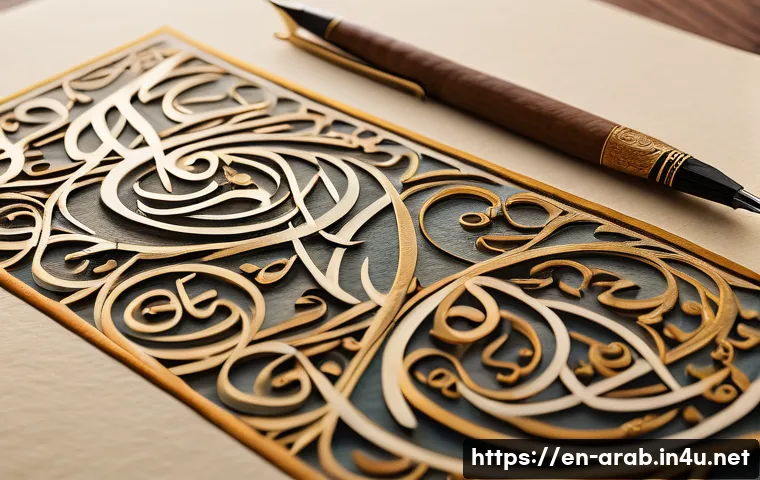
Arabic calligraphy is much more than decorative handwriting; it is a revered art form that embodies spiritual and aesthetic values. Rooted in the early Islamic emphasis on the written word, calligraphy transforms letters into intricate designs that often adorn mosques, manuscripts, and everyday objects.
The fluidity and elegance of scripts like Kufic, Naskh, and Diwani reveal a deep respect for language and creativity. I remember attending a workshop where a master calligrapher demonstrated the delicate brush strokes, and it was mesmerizing to see how centuries-old techniques remain alive and cherished.
Textiles and Embroidery Traditions
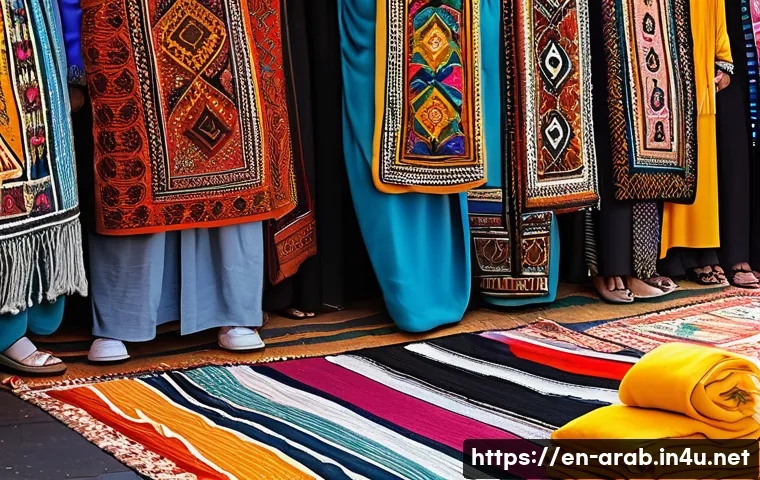
Textile arts hold a special place in many Arabic-speaking cultures, with vibrant patterns and meticulous craftsmanship passed down through generations.
From the richly embroidered dresses of Palestine to the intricate Berber rugs of Morocco, these textiles tell stories of identity, history, and social status.
The motifs often carry symbolic meanings, reflecting nature, spirituality, or tribal affiliations. When I had the chance to explore local markets, the passion artisans poured into their work was palpable, underscoring how these crafts sustain cultural continuity while adapting to contemporary tastes.
Architecture and Urban Design
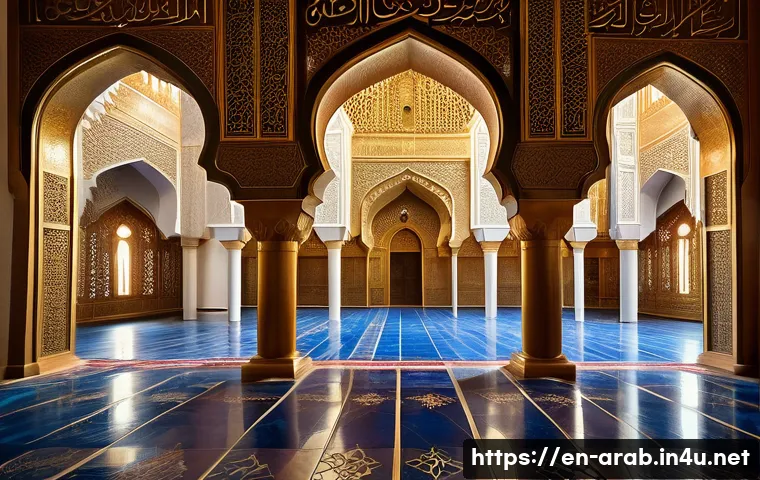
The architectural heritage of Arabic-speaking regions is characterized by stunning geometry, intricate tilework, and harmonious integration with the environment.
Historic cities feature courtyards, arches, and mashrabiya screens that provide both beauty and practical climate control. This architectural style reflects a blend of function, spirituality, and artistic expression.
Visiting landmarks like the Alhambra or the Great Mosque of Damascus, I was struck by how every detail seemed intentional, weaving together history, culture, and community life into physical spaces.
Music and Performing Arts
Traditional Instruments and Styles
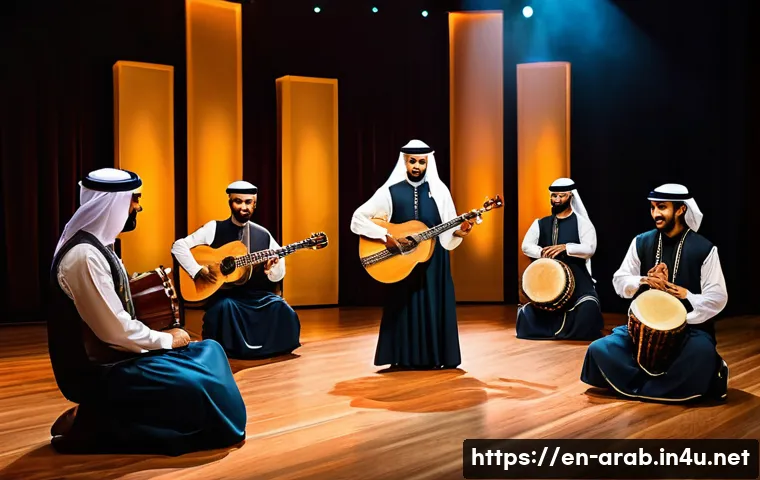
Arabic music is renowned for its emotive melodies and complex rhythms, often performed with instruments like the oud, qanun, and darbuka. Each region contributes distinct styles, from the melancholic maqams of the Levant to the upbeat rhythms of North Africa.
The improvisational nature of much Arabic music allows performers to express personal emotion and cultural stories dynamically. I recall attending a live performance where the musicians’ interplay created an almost hypnotic atmosphere, making the experience deeply immersive and moving.
Dance and Folklore
Dance forms such as the dabke and raqs sharqi are integral to social celebrations and cultural identity. These dances often involve communal participation, blending storytelling with physical expression.
They serve as a means to strengthen bonds within communities and celebrate heritage. Watching these dances, I noticed how they encapsulate joy, resilience, and collective memory, offering insights into social values and historical narratives.
Modern Fusion and Global Influence
Contemporary Arabic music and performing arts increasingly blend traditional elements with global genres like hip-hop, pop, and electronic music. This fusion reflects the evolving identities of younger generations who navigate between tradition and modernity.
Artists such as Amal Maher and Cairokee exemplify this trend, using music to address social issues while honoring cultural roots. From my perspective, this creative dialogue enriches the global music scene and challenges stereotypes by showcasing the diversity within Arabic cultures.
Social Customs and Daily Life
Family and Community Structures
Family remains the cornerstone of social life, often extending beyond the nuclear unit to include a wide network of relatives. Respect for elders, hospitality, and communal support are deeply ingrained values.
In many Arabic-speaking societies, gatherings around food and shared celebrations reinforce these bonds. I’ve noticed that participating in such social customs offers a warm, welcoming experience, highlighting the importance of connection and mutual care.
Hospitality and Culinary Traditions
Hospitality is a defining feature, where guests are treated with generosity and honor. Traditional meals, often featuring dishes like hummus, falafel, and kebabs, are prepared with care and shared communally.
The ritual of serving coffee or tea also plays a symbolic role in hospitality. Sampling these culinary customs firsthand, I found that food acts as a bridge between people, fostering dialogue and cultural exchange.
Festivals and Celebrations
Festivals such as Eid al-Fitr and Eid al-Adha bring communities together in joyous celebration marked by prayer, feasting, and gift-giving. Other cultural events like the Mawlid or local harvest festivals showcase regional diversity and heritage.
These occasions provide a rhythm to social life, reinforcing identity and continuity. Engaging in these festivities, I experienced a sense of belonging and witnessed how traditions adapt while maintaining their core significance.
Contemporary Challenges and Cultural Resilience
Preserving Identity Amid Globalization
As Arabic-speaking peoples engage with the globalized world, they face the challenge of preserving cultural identity without becoming insular. The tension between modernization and tradition is palpable in language use, social norms, and artistic expression.
From my observations, communities often embrace innovation while consciously safeguarding heritage, demonstrating remarkable resilience and adaptability.
Media Representation and Stereotypes
Global media often simplifies or misrepresents Arabic cultures, leading to stereotypes that overlook complexity and diversity. Many Arabic creators now use digital platforms to tell authentic stories and challenge misconceptions.
Witnessing this shift, I’ve found that personal narratives and grassroots media play a crucial role in reshaping perceptions and fostering cross-cultural understanding.
Youth Engagement and Future Directions
Young people in Arabic-speaking societies are increasingly active in cultural, political, and social arenas. They harness technology and social media to express their identities and advocate for change.
This engagement signals a vibrant future where tradition and innovation coexist dynamically. From conversations with youth activists and artists, it’s clear that the next generation is committed to honoring their roots while shaping a progressive path forward.
| Aspect | Key Features | Examples |
|---|---|---|
| Language | Varied dialects, Modern Standard Arabic, sacred status | Levantine Arabic, Quranic Arabic, Maghrebi dialects |
| Arts | Calligraphy, textiles, architecture | Kufic script, Palestinian embroidery, Alhambra |
| Music | Traditional instruments, regional styles, modern fusion | Oud, maqam scales, hip-hop fusion artists |
| Social Customs | Family-centered, hospitality, festivals | Eid celebrations, communal meals, coffee rituals |
| Challenges | Globalization, media stereotypes, youth engagement | Digital storytelling, cultural preservation efforts |
Conclusion
Exploring the rich history and vibrant culture of Arabic-speaking peoples reveals a fascinating blend of tradition and modernity. Their contributions to language, arts, and social customs continue to resonate globally, inspiring admiration and deeper understanding. Embracing both heritage and innovation, these communities demonstrate resilience and creativity in a rapidly changing world.
Useful Information to Remember
1. Arabic is a diverse language with many regional dialects, but Modern Standard Arabic unites speakers across different countries.
2. The Islamic Golden Age significantly influenced science, philosophy, and medicine, with lasting global impact.
3. Traditional arts like calligraphy and textile crafts carry deep cultural meanings and continue to thrive today.
4. Music and dance play vital roles in expressing identity and preserving cultural stories within Arabic societies.
5. Contemporary challenges include balancing globalization with cultural preservation, media representation, and youth engagement.
Key Takeaways
Arabic culture is a dynamic tapestry woven from ancient legacies and modern expressions. Understanding its linguistic richness, artistic heritage, and social values offers valuable insights into a community that honors its past while actively shaping its future. Supporting authentic representation and cultural continuity is essential for fostering global appreciation and respect.
Frequently Asked Questions (FAQ) 📖
Q: What are some key cultural traditions common among
A: rabic-speaking peoples? A1: Arabic-speaking communities share a wealth of cultural traditions that vary by region but often include strong family ties, hospitality, and respect for elders.
Celebrations like Ramadan and Eid are central, featuring communal meals, prayer, and charity. Music and dance, such as the traditional dabke, play an important role in social gatherings, while storytelling and poetry have been cherished for centuries, preserving history and values through generations.
Q: How does the
A: rabic language influence the identity of Arabic-speaking peoples? A2: The Arabic language is much more than a means of communication; it is a core element of identity for Arabic-speaking peoples.
It connects diverse communities across countries through a shared literary heritage, religious texts, and everyday conversation. The language’s rich vocabulary and expressive nature allow people to convey deep emotions and complex ideas, fostering a strong sense of unity and pride in their cultural roots.
Q: What can someone new to
A: rabic culture do to better understand its diversity? A3: To truly appreciate the diversity of Arabic culture, it helps to explore beyond stereotypes by engaging with various cultural expressions like literature, music, and cuisine from different regions.
Watching films, reading translated works by contemporary Arab authors, or even learning basic Arabic phrases can provide meaningful insights. Visiting cultural festivals or connecting with Arabic-speaking communities locally can also offer firsthand experience that brings the culture’s vibrancy and complexity to life.