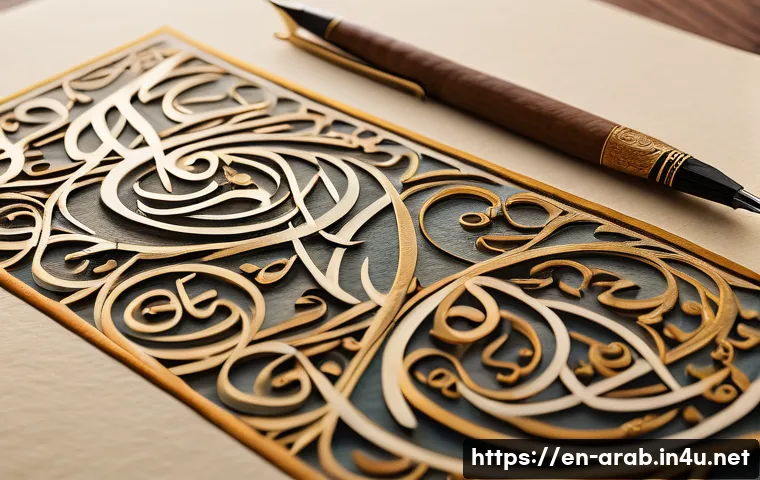
Arabic script is a fascinating blend of artistry and language, where the way letters connect can vary dramatically between handwritten and printed forms.
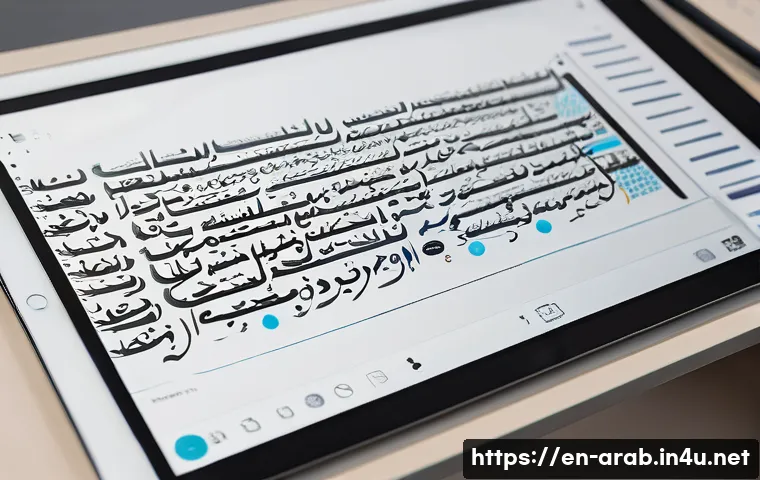
While printed Arabic maintains a consistent, block-like style that’s easy to read, the handwritten version flows with elegant curves and personalized flair, often making it a challenge for learners.
This contrast not only reflects cultural nuances but also reveals the script’s adaptability in everyday communication. Understanding these differences can deepen your appreciation of Arabic’s rich linguistic heritage.
Let’s dive in and explore the details together!
Understanding the Flow and Form of Arabic Letters
The Dynamics of Letter Connections
Arabic script is unique in that each letter changes shape depending on its position within a word—initial, medial, final, or isolated. This fluidity makes the script visually captivating but also complex for learners.
Unlike Latin alphabets, where letters remain mostly unchanged, Arabic’s connecting letters morph to create a seamless flow. In handwriting, this adaptability becomes even more pronounced, as the writer’s style influences how smoothly letters join.
For example, some individuals might add extra curves or elongate strokes, turning their handwriting into a personal art form. This dynamic nature requires learners to not just memorize letter shapes but also understand how these shapes transform contextually.
Consistency Versus Personal Flair
When you look at printed Arabic, the letters appear more uniform and block-like, designed for clarity and ease of reading. Fonts used in print typically adhere to strict rules regarding letter shapes and spacing.
Handwriting, on the other hand, allows for more variation—some people write quickly, causing letters to connect in less conventional ways, while others write slowly and carefully, producing elegant, flowing scripts.
This contrast highlights a fascinating tension between standardization and individual expression. As a result, someone familiar only with printed Arabic might find handwritten notes challenging to decipher, especially if the writer’s style is very cursive or artistic.
How Context Influences Letter Shaping
Another layer to consider is how the context of writing—formal versus informal, official documents versus casual notes—impacts the style of Arabic script.
Printed materials, such as newspapers, books, and official signs, prioritize legibility, so the script remains rigid and easy to follow. Conversely, handwritten texts, like personal letters or journal entries, often showcase more relaxed and fluid styles, incorporating flourishes or shortcuts that are not found in print.
This adaptability allows Arabic to serve both practical communication needs and artistic expression, reflecting the rich cultural heritage behind the language.
Challenges Faced by Learners in Distinguishing Styles
Decoding Handwritten Variations
One of the biggest hurdles for Arabic learners is recognizing how letters can vary dramatically in handwriting. While textbooks often present the “standard” printed forms, real-world handwriting rarely sticks to these templates.
For example, the letter “ع” (Ayn) can look quite different depending on the writer’s speed and style. Some people might write it with a sharp hook, while others may smooth it into a gentle curve.
This variability can cause confusion, especially for beginners who rely on rigid shapes to identify letters. Over time, exposure to various handwriting samples helps learners develop the skill to interpret these diverse forms naturally.
Transitioning from Print to Handwriting
Many Arabic learners start by mastering printed script because it’s consistent and easier to read. However, when they attempt to write or read handwriting, they often hit a wall.
This transition can feel like learning an entirely new alphabet due to the fluid connections and stylistic shortcuts. Practicing writing by copying handwritten samples or using apps that simulate cursive Arabic can bridge this gap effectively.
It’s important to approach this stage with patience, understanding that handwriting is a skill developed over time, influenced heavily by exposure and practice.
Strategies for Improving Recognition Skills
To overcome the challenges posed by handwritten Arabic, learners should immerse themselves in diverse reading materials, including personal letters, notes, and even social media posts written in Arabic script.
Listening to native speakers and watching videos where handwriting is shown can also build familiarity. Additionally, creating a personalized handwriting journal helps learners experiment with letter connections and internalize the script’s fluidity.
Consistency and exposure are key; the more varied the input, the better the learner’s ability to recognize and understand different handwriting styles.
Visual Characteristics and Their Impact on Reading Speed
Printed Arabic: Clarity and Structure
Printed Arabic fonts are designed with readability as the primary focus. Letters have clear boundaries and consistent spacing, making it straightforward to distinguish each character.
This clarity enables faster reading speeds, especially for those still building their vocabulary and comprehension skills. Moreover, the block-like structure of printed script reduces ambiguity, which is crucial in formal or academic settings where precision matters.
Many Arabic learners find that reading printed texts feels more predictable and less mentally taxing compared to deciphering handwriting.
Handwriting: Artistic Freedom Meets Practicality
Handwritten Arabic, while aesthetically pleasing, can slow down reading speed due to its variability. The flowing curves and personalized touches introduce subtle differences that require readers to pay closer attention.
Sometimes, letters might be connected in unexpected ways or strokes may be omitted for speed, causing momentary confusion. However, this style also reflects the writer’s personality and cultural background, adding warmth and character to the text.
Learning to read handwriting effectively means embracing these imperfections and using contextual clues to infer meaning.
Balancing Legibility and Expression
Writers often face the challenge of balancing legibility with personal expression. In educational or professional contexts, maintaining clear handwriting is essential to avoid misunderstandings.
Conversely, in informal settings like letters or diary entries, writers might prioritize fluidity and speed, resulting in more artistic and less standardized forms.
This balance affects how readers engage with the text—while printed Arabic invites quick scanning, handwriting demands a slower, more attentive approach, fostering a deeper connection between writer and reader.
The Role of Typography in Modern Arabic Communication
Fonts Designed for Digital and Print Media
With the rise of digital media, Arabic typography has evolved to meet new demands. Designers create fonts that retain traditional calligraphic beauty while optimizing readability on screens.
Some fonts mimic handwriting styles to provide a personal touch in digital communication, while others stick to classic, blocky forms for official documents and websites.
This variety allows users to choose fonts that suit their purpose, whether it’s a professional email or a creative social media post. The interplay between traditional calligraphy and modern typography showcases the script’s adaptability.
Impact of Typography on User Experience
The choice of Arabic font can greatly influence how a message is perceived. For example, a sleek, modern font might convey professionalism and clarity, whereas a more ornate, cursive font can evoke elegance and tradition.
This affects not only readability but also emotional engagement. Websites and apps targeting Arabic speakers must consider these factors carefully to ensure their content resonates well and remains accessible.
From a user’s perspective, encountering a font that’s too decorative or too plain can either enhance or hinder comprehension and enjoyment.
Emerging Trends in Arabic Typeface Design
Recent years have seen innovative Arabic typefaces blending classical calligraphy with contemporary design principles. Variable fonts that adjust thickness and style dynamically are becoming popular, offering greater flexibility in both print and digital contexts.
Additionally, designers are exploring multilingual fonts that harmonize Arabic with Latin scripts for global brands, facilitating smoother cross-cultural communication.
These trends highlight how Arabic typography is not static but continuously evolving, reflecting both technological advances and cultural shifts.
Decoding Common Misconceptions About Arabic Script
Arabic Script Is Not Just Calligraphy
While Arabic calligraphy is world-renowned for its beauty, it’s important to recognize that everyday Arabic writing is more practical and varied. Calligraphy represents a highly stylized form used mainly for art, decoration, and religious texts, whereas regular handwriting serves communication needs.
Assuming all Arabic script looks like calligraphy sets unrealistic expectations and can intimidate learners. Understanding this distinction helps learners approach Arabic script with a balanced mindset, appreciating both its artistic heritage and functional use.
Handwritten Arabic Is Not Illegible or Random
Another misconception is that handwritten Arabic is inherently messy or difficult to read. While it’s true that handwriting varies widely, it follows specific rules of letter connection and shape changes.
With practice, readers can become proficient at interpreting even the most cursive handwriting. This perspective shift encourages learners to view handwriting as a skill to be developed rather than an insurmountable obstacle.
Embracing handwritten Arabic opens doors to authentic communication and cultural insight.
Printed and Handwritten Arabic Complement Each Other
Rather than viewing printed and handwritten Arabic as separate or opposing forms, it’s more accurate to see them as complementary. Printed Arabic provides a foundation of standard shapes and structures, essential for literacy.
Handwritten Arabic adds flexibility and personality, enriching the language experience. Together, they form a comprehensive system that supports both formal and informal communication.
Learners who engage with both styles gain a fuller understanding of Arabic’s linguistic richness and cultural depth.
Key Differences Summarized in One Table
| Aspect | Printed Arabic | Handwritten Arabic |
|---|---|---|
| Letter Shapes | Consistent, block-like, standardized | Variable, fluid, personalized |
| Letter Connections | Strict rules, uniform spacing | Flexible connections, sometimes shortened or stylized |
| Readability | High, designed for clarity | Varies, depends on writer’s style |
| Use Case | Books, newspapers, official documents | Personal notes, letters, informal communication |
| Learning Curve | Easier for beginners | Requires exposure and practice |
| Cultural Expression | Limited artistic variation | Rich with personal and cultural flair |
Practical Tips for Engaging with Both Forms
Start with Printed Arabic for Foundation
If you’re new to Arabic, focusing on printed script first is a smart move. It helps you build recognition skills without the added complexity of handwriting variations.
Reading printed materials like textbooks, newspapers, or websites familiarizes you with standard letter shapes and word structures. This foundation is essential before diving into the more fluid handwritten forms.
Expose Yourself to Handwriting Regularly
Once comfortable with print, gradually introduce handwritten Arabic into your studies. Try reading personal letters, casual notes, or social media posts written in Arabic script.
Watching videos where handwriting is shown can also boost your recognition skills. The key is frequent exposure—over time, your brain will start to identify patterns and adapt to the variability naturally.
Practice Writing to Internalize Styles
Writing Arabic yourself, especially imitating different handwriting styles, deepens your understanding. Start by copying printed letters, then move to cursive handwriting samples.
Keeping a journal where you experiment with letter connections helps internalize the flow and rules. This active practice not only improves your writing but also enhances your ability to read diverse scripts.
The Cultural Significance Behind Script Variations
Handwriting as a Reflection of Identity
In many Arabic-speaking cultures, handwriting is more than just writing—it’s an expression of individuality. People take pride in their penmanship, and certain styles can indicate regional backgrounds, educational levels, or even personality traits.
This cultural nuance adds depth to the script, making it a living art form. Observing handwriting styles can offer insights into social and cultural identities, enriching your appreciation of the language.
Printed Script and Modern Communication
Printed Arabic, with its standardized forms, plays a crucial role in modern communication, education, and media. It serves as the backbone of formal interaction and is essential for preserving language consistency across diverse Arabic-speaking regions.
As technology advances, printed script remains vital in digital interfaces, ensuring accessibility and comprehension for millions.
The Balance Between Tradition and Innovation
Arabic script beautifully balances tradition and innovation. While calligraphy and handwriting preserve centuries-old artistic traditions, printed and digital fonts push the language into the future.
This duality reflects the broader cultural landscape—rooted in history yet embracing modernity. Understanding this balance enriches your engagement with Arabic, revealing it as a dynamic, evolving language rather than a static relic.
Conclusion
Understanding the nuances of Arabic script, from printed forms to handwritten styles, reveals the language’s rich complexity and cultural depth. Embracing both forms enhances not only literacy but also appreciation for Arabic’s artistic and practical dimensions. With consistent practice and exposure, learners can confidently navigate this beautiful and dynamic script.
Useful Information to Know
1. Printed Arabic script offers clear, standardized letter shapes that make it easier for beginners to read and write.
2. Handwritten Arabic varies widely depending on personal style, speed, and cultural influences, requiring more practice to interpret.
3. Exposure to diverse Arabic handwriting samples, such as personal notes or social media posts, significantly improves recognition skills.
4. Practicing writing in different styles helps internalize the fluid connections between letters and boosts reading comprehension.
5. Modern Arabic typography blends tradition with innovation, offering fonts that suit both digital communication and artistic expression.
Key Takeaways
Arabic script is a living system that balances standardization and personal expression through its printed and handwritten forms. Learners should start with printed Arabic for a solid foundation, then gradually incorporate handwriting practice to build fluency. Recognizing the cultural significance behind script variations enriches the learning experience and deepens connection with the language. Ultimately, patience and consistent exposure are essential for mastering the fluidity and beauty of Arabic writing.
Frequently Asked Questions (FAQ) 📖
Q: Why does handwritten
A: rabic look so different from printed Arabic? A1: Handwritten Arabic often features flowing, connected letters with personalized touches, making it more artistic and fluid compared to the more uniform, block-like printed form.
This variation comes from cultural traditions and the practical need for speed and ease when writing by hand, which allows writers to develop their own styles.
As a result, handwriting can appear more complex and harder to read for beginners, but it also reflects the script’s rich expressiveness.
Q: Is it necessary to learn both handwritten and printed
A: rabic scripts? A2: Yes, learning both forms is highly beneficial. Printed Arabic is what you’ll find in books, newspapers, and official documents, so it’s essential for reading standard texts.
However, handwritten Arabic is common in everyday life, personal notes, and informal communication. Understanding handwritten script enhances your ability to engage with native speakers and navigate real-world situations, making your Arabic skills more practical and versatile.
Q: How can learners improve their ability to read handwritten
A: rabic? A3: Improving your handwritten Arabic reading skills takes time and exposure. Start by practicing with simple handwritten texts and gradually move to more complex examples.
Watching videos where native speakers write or using apps that show handwriting variations can help. Also, try writing by hand yourself—this experience builds familiarity with letter shapes and connections.
Over time, you’ll notice patterns and develop an intuitive sense for the script’s flow, making it much easier to understand.