Navigating the business landscape in the Arab world requires more than just market knowledge—it demands a deep understanding of cultural nuances and etiquette.
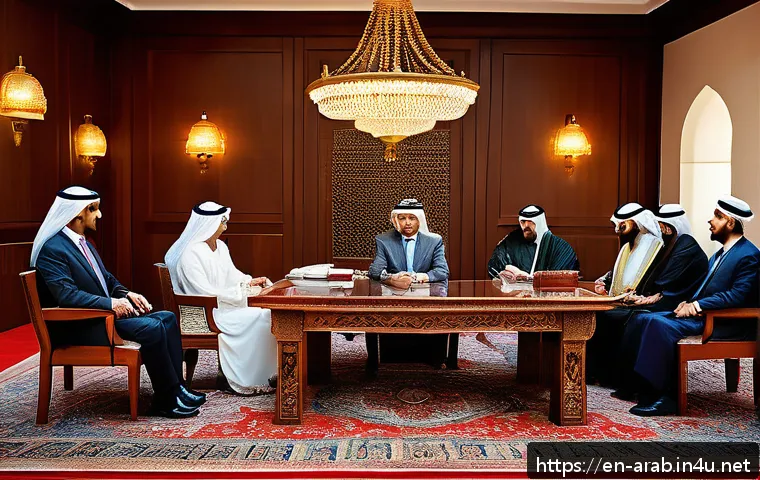
As global commerce increasingly connects East and West, mastering respectful communication and relationship-building has never been more crucial. Whether you’re sealing a deal or fostering long-term partnerships, the way you engage can make all the difference.
In today’s dynamic environment, knowing key practices can open doors to success and mutual respect. Let’s explore how embracing these traditions can transform your business interactions and elevate your professional journey.
Building Trust Through Personal Connections
Investing Time in Genuine Conversations
In Arab business culture, relationships aren’t built overnight. Unlike the fast-paced deal-making seen in some Western contexts, Arab partners value slow, meaningful conversations that go beyond just business topics.
When you take the time to ask about family, health, or even recent travels, you’re signaling respect and genuine interest. This personal touch lays a foundation of trust that becomes crucial later when negotiations intensify.
From my own experience, rushing into business discussions without this warm-up phase can make counterparts feel undervalued or rushed, which inevitably slows progress.
The Role of Hospitality in Business Meetings
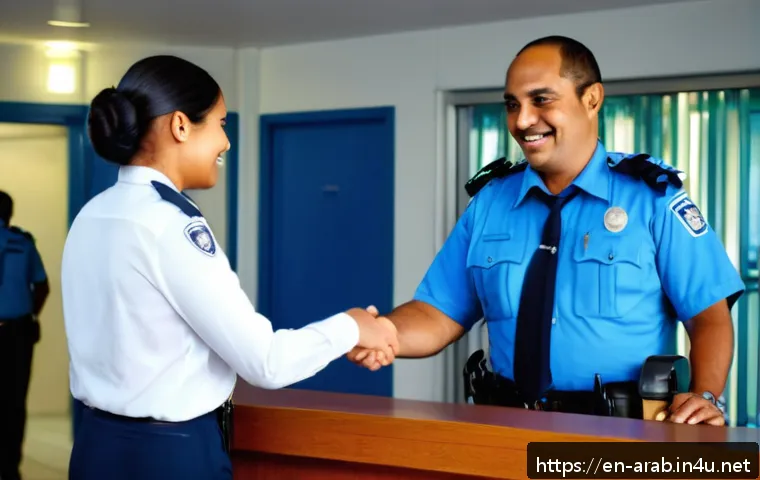
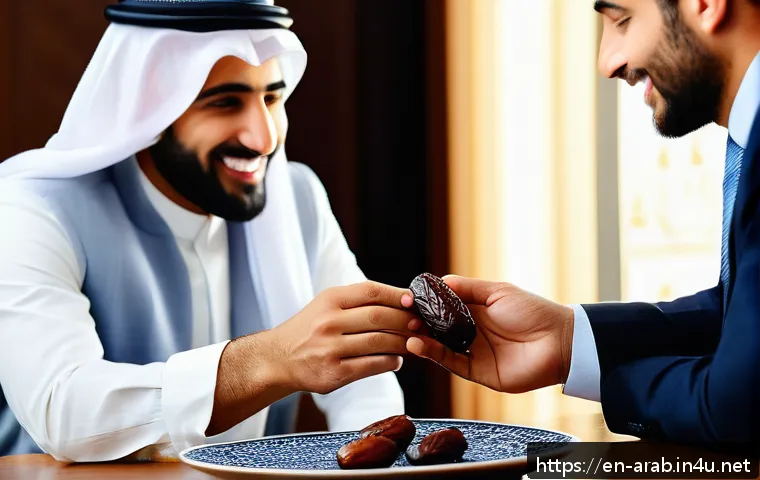
Expect more than just a handshake when entering a meeting room. Hospitality is a cornerstone of Arab social etiquette, and business meetings often begin with offers of coffee, tea, or dates.
Accepting these gestures is more than polite—it’s a way to honor the host’s generosity and build rapport. I remember a meeting where refusing a simple cup of Arabic coffee caused an awkward silence; it was a subtle reminder that hospitality here isn’t just about refreshment, but a cultural ritual that strengthens bonds.
Reading Non-Verbal Signals
Trust also grows through subtle cues—eye contact, posture, and even the way invitations are extended. Maintaining steady but respectful eye contact shows attentiveness and honesty, while overdoing it might feel confrontational.
Similarly, open body language invites collaboration, whereas crossed arms can be interpreted as defensive. Learning to read and respond to these non-verbal signs can make a big difference in how comfortable your Arab business partners feel, and thus how willing they are to engage deeply.
Patience and Flexibility as Negotiation Assets
Understanding the Pace of Negotiations
Unlike typical Western business settings where speed and efficiency often dominate, Arab negotiations can take longer due to the emphasis on relationship-building and consensus.
Deadlines may be flexible, and multiple meetings might be needed to explore all angles thoroughly. From firsthand encounters, I’ve noticed that pressing too hard for quick decisions can backfire, causing frustration or suspicion.
Instead, patience signals respect for the process and the people involved, often resulting in more favorable outcomes.
Embracing the Art of Repetition
It’s common for key points to be revisited repeatedly throughout discussions. This isn’t a sign of disorganization but a deliberate effort to ensure mutual understanding and agreement.
When negotiating contracts or project scopes, expect to hear the same terms or conditions mentioned multiple times in different contexts. In my experience, staying calm and open during these reiterations demonstrates attentiveness and helps build clarity, reducing misunderstandings later on.
Adapting to Changing Dynamics
Flexibility is vital because business environments in the Arab world can shift unexpectedly due to political, economic, or social factors. Being rigid with plans or demands can stall progress.
Successful partners remain adaptable, ready to recalibrate strategies or timelines. I recall a project where sudden regulatory changes required us to renegotiate terms; those willing to adjust rather than resist ultimately maintained stronger partnerships.
The Importance of Respecting Hierarchies
Recognizing Decision-Makers
In many Arab organizations, decision-making authority is centralized among senior leaders or family heads. Understanding who holds the final say is essential to tailor your communication and proposals effectively.
Directly approaching lower-level employees for commitments without involving the key figures can be seen as disrespectful or naïve. I’ve found that patiently identifying and engaging with the right people, even if it takes more time, leads to smoother negotiations.
Using Formal Titles and Honorifics
Addressing counterparts by their formal titles and family names shows respect and cultural awareness. It’s advisable to inquire or observe appropriate forms of address before meetings.
Casual or first-name usage too early can unintentionally offend or diminish your perceived professionalism. Personally, making a small effort to use correct titles has always been appreciated and helped me build credibility quickly.
Observing Protocol in Group Settings
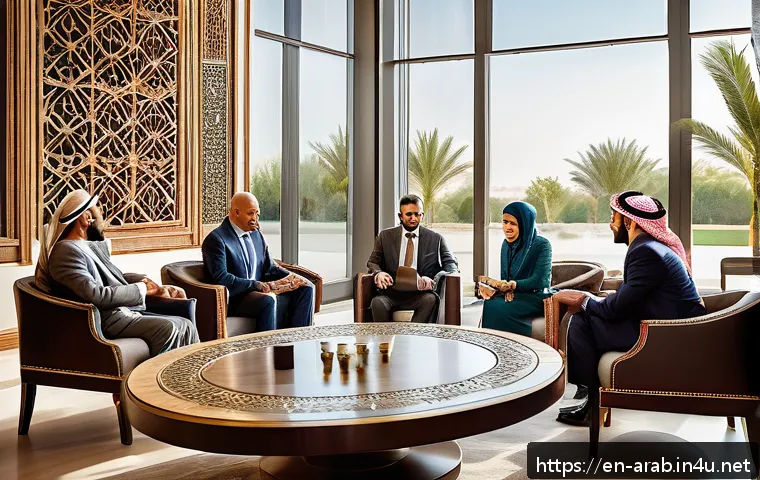
When attending group meetings or events, seating arrangements and speaking order often follow hierarchical lines. Senior figures may sit in prominent positions, and interrupting or contradicting them publicly can cause embarrassment or loss of face.
I’ve learned to listen carefully, wait my turn to speak, and defer to elders or leaders as a sign of respect, which creates a positive atmosphere for dialogue.
Gift Giving and Symbolic Gestures
When and What to Gift
Gift giving can be a meaningful part of business culture, especially during initial meetings or after successful deals. Appropriate gifts are often items that reflect thoughtfulness without being overly extravagant—local specialties, high-quality pens, or elegant stationery are common choices.
I recall bringing a carefully selected gift from my hometown, which sparked conversation and goodwill. Avoid gifts that may carry religious or political connotations to prevent misunderstandings.
The Timing and Presentation Matter
Presenting a gift is usually done with both hands and accompanied by polite words. The timing is equally important—giving a gift at the start of a meeting can set a friendly tone, while offering it at the conclusion can express gratitude.
In one memorable instance, I waited until after a successful contract signing to offer a gift, which left a lasting positive impression and helped cement the relationship.
Understanding Reciprocity Expectations
Gift exchanges often carry an implicit understanding of reciprocity, though not immediate or transactional. Accepting a gift graciously and considering a future opportunity to reciprocate is part of maintaining harmony.
Ignoring this cultural norm may unintentionally signal disrespect or disinterest in a long-term partnership.
Effective Communication Styles and Language Use
The Power of Politeness and Indirectness
Arab communication often favors indirectness and politeness to avoid confrontation or embarrassment. Saying “no” outright is rare; instead, phrases like “inshallah” (God willing) or “we will consider” serve as gentle refusals or delays.
From my experience, understanding this subtlety helps prevent misinterpretations and allows you to read between the lines more accurately.
Utilizing Interpreters and Language Assistance
While many business professionals speak English or French, offering to use an interpreter or learning key Arabic phrases can demonstrate respect and effort.
Even simple greetings or expressions of gratitude in Arabic often receive warm responses. I’ve noticed that showing this cultural sensitivity can break down barriers and foster trust quickly.
Non-Verbal Communication and Its Impact
Body language, tone of voice, and gestures carry significant weight. For example, a warm smile and open posture invite cooperation, while impatience or dismissiveness may shut down dialogue.
Being mindful of these cues and mirroring positive behaviors can enhance rapport and lead to more productive conversations.
Time Perceptions and Meeting Etiquette
Flexible Attitudes Toward Scheduling
In many Arab countries, time is viewed more fluidly compared to Western punctuality standards. Meetings may start later than scheduled, and delays aren’t necessarily seen as disrespectful.
Personally, I’ve adapted by arriving prepared but patient, using waiting times to engage informally with hosts, which often leads to valuable insights and connections.
Prioritizing Relationship Over Agenda
While agendas exist, they are often secondary to personal interactions. A meeting might take unexpected turns to accommodate storytelling, hospitality, or discussions unrelated to the immediate business topic.
Embracing this flexible flow rather than rushing keeps conversations natural and strengthens bonds.
Proper Conduct During Meetings
Interruptions should be avoided, and listening carefully is a sign of respect. It’s also customary to allow the host to guide the meeting’s pace and topics.
I recall occasions where following this unwritten rule helped prevent misunderstandings and created an atmosphere of mutual respect and openness.
| Aspect | Recommended Approach | Common Pitfalls to Avoid |
|---|---|---|
| Building Rapport | Engage in personal conversations; accept hospitality warmly | Rushing into business; refusing offers of hospitality |
| Negotiation Pace | Be patient; expect multiple meetings and repetition | Pressuring for quick decisions; showing impatience |
| Hierarchy Respect | Address seniors with formal titles; recognize decision-makers | Ignoring hierarchy; using casual language too early |
| Gift Giving | Offer thoughtful, appropriate gifts at key moments | Giving overly expensive or culturally inappropriate gifts |
| Communication Style | Use polite, indirect language; consider language barriers | Being too direct; neglecting non-verbal cues |
| Time Management | Be flexible with scheduling; prioritize relationships | Demanding strict punctuality; rushing agenda |
Conclusion
Building strong business relationships in the Arab world requires patience, respect, and genuine personal engagement. Taking the time to understand cultural nuances like hospitality, hierarchy, and communication styles can transform interactions into lasting partnerships. Embracing these values not only fosters trust but also creates a foundation for successful and meaningful collaborations.
Helpful Tips
1. Always invest time in personal conversations before diving into business discussions to build authentic trust.
2. Accept and appreciate hospitality gestures—they are key to strengthening bonds and showing respect.
3. Be patient with the negotiation process; expect repetition and multiple meetings as part of relationship building.
4. Use formal titles and recognize decision-makers to demonstrate cultural awareness and professionalism.
5. Remain flexible with scheduling and meeting flow, prioritizing relationships over strict agendas.
Key Takeaways
Respect and patience are essential when engaging with Arab business partners. Understanding the importance of personal connections, the subtlety of communication, and the significance of hierarchy will help avoid common pitfalls. Thoughtful gift-giving and embracing hospitality rituals further enhance trust. Flexibility with time and negotiation style ensures smoother interactions and lasting partnerships in this culturally rich business environment.
Frequently Asked Questions (FAQ) 📖
Q: What are the key cultural etiquettes to observe when doing business in the
A: rab world? A1: When engaging in business within the Arab world, showing respect through greetings is essential—always begin with a warm handshake and, if appropriate, a slight nod or placing your hand over your heart.
Address people using their titles and full names to convey respect. Punctuality is appreciated, but meetings may start later than scheduled, so patience is key.
Avoid discussing sensitive topics such as politics or religion unless brought up by your counterpart. Also, be mindful of personal space and avoid direct eye contact with the opposite gender in more conservative contexts.
Understanding these nuances helps build trust and sets a positive tone for your business relationship.
Q: How important is relationship-building compared to formal contracts in
A: rab business culture? A2: In the Arab business environment, relationships often take precedence over formal contracts. Establishing trust and a personal connection can significantly influence the success of any deal.
People prefer to do business with those they know and trust, so investing time in informal meetings, shared meals, and genuine conversations can be more valuable than focusing solely on paperwork.
Contracts are still important but often seen as a formality after trust is established. From my experience, patience and sincerity in nurturing these relationships pay off by opening doors to long-term partnerships and smoother negotiations.
Q: What communication styles should I adopt to ensure respectful and effective interactions?
A: Clear, polite, and indirect communication tends to work best. Arabs often use a more elaborate and courteous way of speaking, emphasizing respect and hospitality.
Avoid blunt refusals or negative responses; instead, use phrases like “insha’Allah” (God willing) or “we will consider it” to soften your message. Listening attentively and showing genuine interest in your counterpart’s views also goes a long way.
I found that mirroring their conversational pace and tone helps build rapport. Remember, patience is crucial—allow conversations to flow naturally without rushing, as this reflects respect and openness.