Hey there, fellow sports enthusiasts! If you’re anything like me, you’ve probably been absolutely captivated by the incredible energy and passion for sports radiating from the Arab world lately.
I mean, it’s truly amazing to witness firsthand how the region is rapidly becoming a global powerhouse in athletics, blending deep-rooted traditions with cutting-edge modernity.
From the roar of a stadium during a football match to the ancient art of falconry, the tapestry of popular sports here is vibrant and diverse, reflecting a rich cultural heritage alongside exciting new trends.
Governments are pouring massive investments into world-class infrastructure and hosting mega-events, completely reshaping the landscape of global sports.
It’s not just about the big games though; there’s a genuine buzz around how sports are fostering community, empowering women, and even driving significant economic growth.
If you’re curious about what makes sports in this part of the world so unique and thrilling, you’ve come to the right place. Let’s dive deeper into this fascinating world of Arab sports and discover all the exciting developments together.
Hey there, sports fanatics! It’s truly mind-blowing to see how rapidly the Arab world is transforming into a global sporting hub. If you’re like me, you’ve probably noticed the incredible buzz around the region, a place where ancient traditions blend seamlessly with cutting-edge modernity to create a sports scene that’s unlike anywhere else on Earth.
From the electrifying atmosphere of a packed football stadium to the serene grace of traditional falconry, the diversity of popular sports here is just breathtaking, mirroring a rich cultural tapestry alongside some genuinely exciting new trends.
What’s really fueling this fire is the massive investment from governments, pouring funds into building world-class infrastructure and hosting mega-events that are completely reshaping the global sports landscape.
But it’s not just about the big games; there’s a real energy around how sports are building communities, empowering women, and even driving significant economic growth across the region.
If you’re as curious as I am about what makes sports in this part of the world so unique and utterly thrilling, then buckle up! We’re about to dive deep into the fascinating universe of Arab sports and uncover all the incredible developments together.
The Grand Stage: Mega-Events and Unrivaled Infrastructure
Honestly, if you told me a decade ago that the Middle East would be hosting some of the world’s most prestigious sporting events, I might have just chuckled.
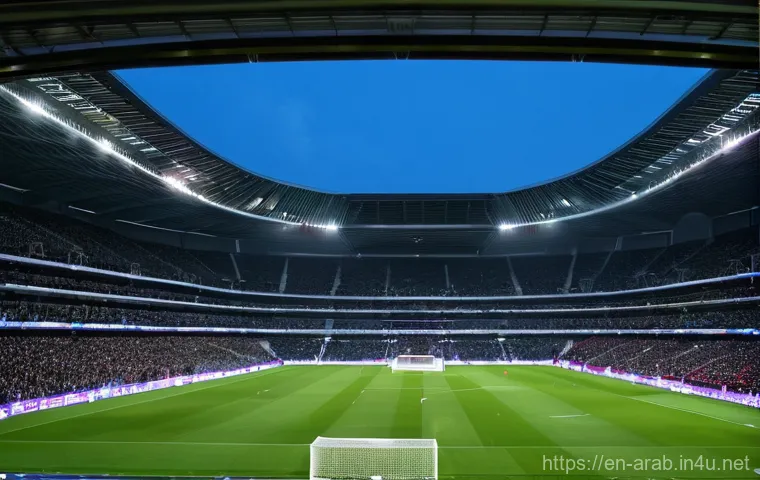
But boy, have things changed! I mean, who could forget the spectacular FIFA World Cup in Qatar in 2022? That was a game-changer, demonstrating the region’s incredible capacity to host large-scale global events and setting new benchmarks for sporting infrastructure with state-of-the-art stadiums like the Lusail Iconic Stadium.
And it’s not just football. The UAE and Saudi Arabia alone have collectively invested over $65 billion to really cement the region’s status as a global sports hub.
We’re talking about everything from the high-octane Formula 1 Grand Prix races in Bahrain, Abu Dhabi, and Qatar, which always provide nail-biting finishes and incredible off-track entertainment, to major boxing events in Saudi Arabia that have brought some of the biggest names in combat sports to the desert.
My personal take? These aren’t just one-off events; they’re strategically planned initiatives, often backed by ambitious national visions like Saudi Arabia’s Vision 2030, which explicitly aims to develop the sports sector to diversify the economy and promote healthier lifestyles.
It’s clear to me that these nations aren’t just building stadiums; they’re building legacies, complete with smart venues that boast enhanced connectivity, personalized services, and immersive fan experiences.
It’s truly a sight to behold, how infrastructure investments, like Qatar’s extensive metro system for the World Cup, are designed to benefit residents long after the final whistle blows.
Building a Sporting Ecosystem from the Ground Up
What really impresses me is the foresight behind these massive projects. It’s not just about putting on a show, but about creating an entire sporting ecosystem.
In Saudi Arabia, for instance, plans include expanding sports infrastructure with a $2.7 billion investment in new facilities by 2028, and a staggering 15 new stadiums are on the horizon, with 11 new builds and 4 renovations for the 2034 FIFA World Cup.
Morocco is also making huge strides, planning to invest around $5 billion into infrastructure development, including upgrades to five current stadiums and building a colossal 115,000-seat stadium near Casablanca for AFCON 2025 and the FIFA World Cup 2030.
This level of commitment is fostering innovation, attracting further investments, and ultimately, leaving a lasting positive impact on communities. It’s exciting to witness this growth.
Showcasing Local Talent on the World Stage
It’s absolutely thrilling to see how these mega-events are not just importing global stars but also providing platforms for local talent to shine. When I was watching some of the recent events, I noticed a palpable sense of national pride.
The investment in world-class facilities and coaching is undoubtedly creating better opportunities for Arab athletes to compete at the highest levels.
This, in turn, fuels a virtuous cycle where local heroes inspire the next generation to get involved, creating a deeper and more sustainable sports culture.
It’s not just about winning medals; it’s about nurturing dreams.
The Heartbeat of the Region: Sports as a Cultural Unifier
You know, it’s not just the glitz and glamour of international events that define sports in the Arab world. What truly resonates with me is how deeply embedded sports are in the culture, acting as a powerful unifier.
Football, or soccer as some of us call it, is by far the most beloved sport here, a real passion that brings everyone together. I’ve seen families gather, friends cheer, and communities erupt in joy or commiseration, whether it’s for local teams or the national squad in World Cup competitions.
This shared experience cuts across different generations and social strata, fostering a sense of collective identity that’s truly heartwarming. Beyond football, traditional sports still hold a very special place, even as they evolve with modern twists.
Camel racing, for example, is a timeless tradition with deep cultural roots, historically showcasing the strength and endurance of these incredible animals.
Today, it’s a high-tech spectacle with robotic jockeys and state-of-the-art training facilities, yet it retains its traditional essence. I remember learning about the Crown Prince Camel Festival, the largest of its kind globally, and being amazed at how it bridges the gap between ancient heritage and modern innovation.
Echoes of the Past: Reviving Traditional Sports
It’s fascinating to see how ancient practices are not just surviving but thriving. Falconry, the art of hunting with trained birds of prey, is another prime example.
Falcons have been revered in the Arabian Peninsula for centuries, symbolizing status and heritage. Major events like the King Abdulaziz Falconry Festival celebrate this ancient sport, drawing falconers from around the world to compete and promote conservation.
I’ve heard stories of how these festivals are more than just competitions; they are vibrant cultural gatherings that showcase the region’s rich history and nomadic traditions.
Saluki racing, featuring one of the world’s oldest and fastest dog breeds, also continues to be a popular sport, particularly in the UAE, with championship events like the Arab Heritage Saluki Race Festival.
Community and National Identity Through Play
For me, the true magic of sports here lies in its ability to foster community engagement and a strong sense of national identity. Whether it’s the roar of the crowd supporting their favorite team or the shared excitement during traditional festivals, these moments create lasting bonds.
I believe this collective enthusiasm is what makes the sporting culture so vibrant and resilient. It’s about more than just competition; it’s about celebrating who you are and where you come from.
Breaking Barriers: The Rise of Women in Arab Sports
If there’s one aspect of the Arab sports scene that genuinely excites me and makes me hopeful for the future, it’s the incredible progress being made by women.
It wasn’t that long ago, in some parts of the region, that opportunities for women in sports were quite limited, with physical education for girls only being introduced in schools relatively recently.
But oh, how the tides have turned! I’ve been following the journey of inspiring athletes like Tunisian tennis star Ons Jabeur, who became the first Arab woman to reach a Grand Slam final, and I truly feel a sense of pride and admiration for her and others who are breaking barriers.
Her success, along with that of Saudi trailblazing racing driver Reema Juffali, is not just about individual achievement; it’s about inspiring a whole generation of young girls to dream bigger.
We’re witnessing a real transformation, driven by progressive reforms and initiatives that are actively promoting gender equality in sports.
From Grassroots to Global Recognition
The statistics themselves tell a compelling story. Saudi women’s participation in sports has increased by over 150% in recent years, which is just astounding!
I’ve seen firsthand how countries like Saudi Arabia are establishing dedicated Women’s Football Departments, launching professional leagues like the Saudi Women’s Premier League, and even achieving FIFA recognition for their national teams.
Grassroots programs, such as the Schools League, are engaging tens of thousands of girls annually, providing structured pathways for young athletes to develop their skills.
Similarly, the UAE has become a hub for women’s sports, hosting events like the Arab Women Sports Tournament and various international tennis championships.
The UAE Women’s Tour has become a prominent event in women’s cycling, gaining international recognition. This shift is not merely about participation; it’s about creating professional opportunities and establishing a robust support system for female athletes and even referees, like Reem Hazzazi, one of Saudi Arabia’s first international weightlifting referees.
Redefining Roles and Inspiring Futures
What I find most powerful about this movement is how it’s challenging deep-rooted gender stereotypes and redefining the role of women in society. When I see these women competing, coaching, and officiating, it’s a powerful statement about empowerment and resilience.
It’s about more than just physical activity; it’s about building confidence, fostering leadership, and showing the world what Arab women are truly capable of.
The sheer excitement around these developments is palpable, and I’m genuinely thrilled to see how this progress continues to unfold.
The Economic Game Changer: Sports Driving Growth
It’s no secret that major sporting events come with a hefty price tag, but what’s truly remarkable is the economic ripple effect they create across the Arab world.
From my perspective, it’s a brilliant strategy for diversification, moving economies beyond traditional sectors like oil and into new, dynamic areas. The numbers really speak for themselves: sports tourism in the Middle East is already a staggering $600 billion industry, and it’s projected to keep growing significantly.
In 2022 alone, sports tourism contributed approximately 5% to the UAE’s GDP, which is a massive impact! We’re talking about millions of international visitors spending on everything from tickets and accommodation to dining and shopping, creating thousands of jobs in the hospitality and retail sectors.
I remember reading that the Abu Dhabi Grand Prix contributes around $600 million annually to the UAE economy, and that’s just one event! These investments in sports infrastructure, from state-of-the-art stadiums to improved transportation networks, aren’t just for the events themselves; they provide long-term benefits for both residents and tourists, cementing the region’s status as a top global destination.
Beyond Tourism: Investment and Job Creation
The economic benefits extend far beyond direct tourism revenue. I’ve noticed a significant surge in foreign investment, with companies worldwide eager to capitalize on the booming sports scene, leading to exciting partnerships that enhance local expertise.
For example, Saudi Arabia’s Public Investment Fund (PIF) has played a pivotal role, with major investments in football clubs and an incredible $38 billion into esports, projected to contribute $13.3 billion to GDP by 2030 and create 39,000 jobs.
The sports sector’s contribution to Saudi Arabia’s GDP has already grown from $2.4 billion in 2016 to $6.9 billion in 2023, with projections to hit $16.5 billion by 2030, accounting for 1.5% of the GDP.
This creates a wealth of opportunities, not just for athletes and event organizers, but for finance professionals, marketing specialists, and countless small businesses that thrive on the increased economic activity.
It’s truly an exciting time to watch these economies transform.
Table: Selected Major Sporting Events in the Arab World (Recent & Upcoming)
| Event Name | Host Nation(s) | Key Sports Involved | Significance / Impact |
|---|---|---|---|
| FIFA World Cup 2022 | Qatar | Football (Soccer) | Historic first World Cup in the Middle East; showcased state-of-the-art infrastructure and host capabilities. |
| Abu Dhabi Grand Prix (F1) | UAE | Formula 1 Motor Racing | Annual season finale; major tourism magnet contributing hundreds of millions to the economy. |
| Dubai World Cup | UAE | Horse Racing | One of the world’s richest horse races, attracting top jockeys and thoroughbreds. |
| King Abdulaziz Falconry Festival | Saudi Arabia | Falconry | Largest falconry festival globally; preserves traditional heritage while drawing international visitors. |
| FIFA Arab Cup 2025 | Qatar | Football (Soccer) | Region’s biggest football tournament; brings together fans and celebrates Arab culture. |
| Esports World Cup (Annual) | Saudi Arabia | Esports | Massive investment in competitive gaming, aiming to become a global esports hub. |
| AFCON 2025 / FIFA World Cup 2030 | Morocco (co-host) | Football (Soccer) | Significant infrastructure investment, boosting tourism and global recognition. |
A Fusion of Worlds: Bridging Tradition and Modernity
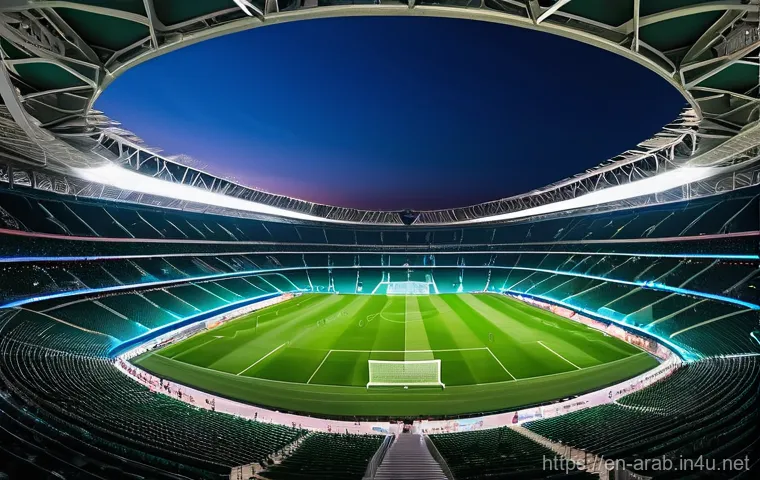
What I find truly captivating about sports in the Arab world is how beautifully it blends the ancient with the contemporary. It’s not just about adopting global sports; it’s about innovating and giving traditional practices a modern edge, creating something uniquely vibrant.
When I think about it, countries here have revered sports for thousands of years, from the intricate dance of horse and camel racing to the precise art of falconry.
These are not just pastimes; they are deeply ingrained cultural expressions, reflections of a rich heritage that continues to be cherished today. But what’s truly exciting is seeing how these traditional sports are being revitalized with modern advancements, ensuring their appeal for future generations.
It’s like watching history being actively preserved and innovated upon, which is just incredible.
High-Tech Traditions and Global Appeal
Take camel racing, for instance. It’s a sport that embodies the Bedouin way of life, symbolizing strength and endurance. While the essence remains the same, modern camel racing now incorporates advanced technologies like robotic jockeys, making it safer for the animals and adding a fascinating futuristic element to the spectacle.
Similarly, falconry, a sport deeply tied to the Arabian Peninsula’s history, has found new life in grand festivals that attract international attention, showcasing the region’s commitment to both its past and its future.
It’s this dynamic interplay that makes sports here so intriguing. We also see this fusion in new trends like esports, where the Arab world, especially Saudi Arabia, is rapidly emerging as a global hub, investing billions and hosting massive tournaments like Gamers8, attracting international players and huge prize pools.
This isn’t just about gaming; it’s about a new form of global competition that resonates deeply with a young, tech-savvy population.
Sustainable Practices for Future Generations
Another aspect of this modernity that really stands out is the growing emphasis on sustainability. I’ve been so impressed to learn that the region is increasingly adopting eco-friendly practices in sports, from carbon-neutral stadiums to AI-powered energy management systems.
Qatar, for example, has been a leader in these efforts, ensuring that their sporting infrastructure leaves a positive environmental legacy. Morocco is also showcasing its commitment to sustainable development, leveraging green hydrogen technologies to power venues for major events, positioning itself as a hub for clean energy.
This forward-thinking approach demonstrates a clear vision not just for sporting excellence but for a responsible and sustainable future, which I find incredibly inspiring.
The Roar of the Crowd: Unmatched Fan Passion
If you’ve ever had the chance to witness a major sporting event in the Arab world, you’ll immediately understand what I mean by “unmatched fan passion.” The energy is absolutely electric!
I’ve been to football matches where the sheer volume of the crowd, the coordinated chants, and the sea of national colors create an atmosphere that gives you chills.
It’s truly a sensory overload in the best possible way. The fans here don’t just watch; they participate with every fiber of their being. This deep-seated enthusiasm isn’t confined to a single sport or nation; it’s a regional characteristic, a collective love for competition and camaraderie that I find genuinely infectious.
It’s this passionate engagement that makes attending a game an unforgettable experience and makes these events feel so much larger than life.
Football: The Universal Language of Fandom
In countries like Saudi Arabia, football is more than just a game; it’s a way of life. I’ve heard countless stories of friends and families gathering to cheer on their favorite teams, whether it’s the local league or the national squad competing on the international stage.
The recent surge in high-profile international player signings in the Saudi Pro League has doubled live attendance at matches, truly igniting the passion of the fans.
The FIFA Arab Cup, for instance, saw hundreds of millions of fans following the tournament from across the region and beyond, with record attendances at matches, proving the immense draw of football as a cultural touchstone.
This level of dedication creates an incredible sense of belonging, and you can practically feel the collective heartbeat of the nation in the stadium.
Beyond Football: Diverse Passions
While football reigns supreme, the passion extends to a wide array of other sports. I’ve been fascinated by the vibrant fan communities surrounding sports like motorsports, with the Formula 1 Grand Prix races consistently drawing massive crowds and creating a festive atmosphere.
The excitement around combat sports, especially boxing and MMA events hosted in Saudi Arabia and the UAE, is also palpable, showcasing a growing appetite for diverse athletic spectacles.
Even traditional sports like camel racing and falconry gather significant crowds, demonstrating a deep appreciation for heritage intertwined with thrilling competition.
It’s clear that whether it’s a modern spectacle or an ancient tradition, the fans in the Arab world bring an unparalleled level of energy and devotion.
The Road Ahead: Future Prospects and Innovation
Looking to the future, I genuinely feel a surge of excitement about what’s next for sports in the Arab world. The trajectory of growth and innovation is simply breathtaking, and it’s clear that the region isn’t just catching up; it’s setting new global benchmarks.
I’ve seen how strategic visions like Saudi Arabia’s Vision 2030 are not just aspirational but are actively driving monumental changes, from boosting sports participation to investing billions in world-class facilities.
This forward-thinking approach, coupled with an eagerness to embrace cutting-edge technology and sustainable practices, paints a picture of a dynamic and influential sporting landscape for decades to come.
It’s a vision where sports aren’t just entertainment but a fundamental pillar of national development, well-being, and global standing.
Tech-Driven Fan Experiences and Performance
What truly has my imagination soaring is the integration of technology into every facet of the sports industry here. We’re talking about smart stadiums that use AI-powered energy management to reduce carbon emissions by up to 40%, making venues incredibly sustainable.
But it’s not just about the environment; it’s about enhancing the fan experience with augmented reality and virtual reality, allowing us to interact with sports in entirely new and immersive ways.
Imagine stepping into a stadium and feeling truly connected to the game like never before! Beyond the fans, data analytics, AI, and machine learning are revolutionizing athlete performance, optimizing training, scouting, and in-game strategies.
As someone who loves seeing innovation, I find this incredibly exciting because it pushes the boundaries of what’s possible in sports.
Expanding Horizons: New Sports and Global Partnerships
The future isn’t just about established sports either. I’ve been fascinated to see the rapid growth of emerging sports like padel and MMA, resonating particularly with the region’s young, tech-savvy demographic, where 50% of the GCC population is under 25.
The massive investment in esports, particularly in Saudi Arabia, which is establishing an esports hub and hosting the Esports World Cup, shows a clear commitment to capturing the future of competitive entertainment.
Moreover, the region is actively forging global partnerships, whether it’s in cricket with the World Cricket Festival in Saudi Arabia aiming to create a new ecosystem for the sport, or ongoing collaborations with international sporting bodies.
These collaborations are not just about hosting events; they’re about building long-term relationships and sharing expertise, truly cementing the Arab world’s place at the heart of the global sports arena.
Concluding Thoughts
Wow, what an incredible journey we’ve had exploring the vibrant and rapidly evolving world of sports in the Arab region! It’s truly been fascinating to see how tradition beautifully intertwines with modernity, creating a unique and thrilling landscape.
From the massive investments in mega-events and cutting-edge infrastructure to the inspiring rise of women in sports and the undeniable economic impact, it’s clear that this region is not just participating in the global sports arena—it’s actively shaping its future.
I’m personally so excited to keep watching these incredible developments unfold and see what new heights Arab sports will reach next.
Useful Information to Know
1. The Arab world is becoming a powerhouse for mega-events, hosting everything from the FIFA World Cup to Formula 1 races, showcasing its world-class infrastructure and organizational capabilities.
2. Football (soccer) remains the undisputed king of sports, deeply ingrained in the culture and acting as a powerful unifier, but traditional sports like falconry and camel racing are also thriving with modern twists.
3. Women’s participation in sports is experiencing a remarkable surge, with progressive reforms and dedicated initiatives breaking barriers and creating new opportunities for female athletes at all levels.
4. Sports are a major economic driver, significantly contributing to GDP diversification through tourism, foreign investment, and job creation across various sectors.
5. The region is embracing innovation, integrating cutting-edge technology into fan experiences, athlete performance, and sustainable practices, demonstrating a forward-thinking approach to sports development.
Key Takeaways
The Arab world’s sports scene is a dynamic fusion of rich cultural heritage and ambitious modernity, propelled by massive investments and a fervent passion for competition.
This transformation is not only putting the region on the global map for major events but also fostering community, empowering individuals, and driving substantial economic growth.
It’s a truly exciting era for sports, marked by innovation, inclusivity, and an unwavering commitment to excellence.
Frequently Asked Questions (FAQ) 📖
Q: What are the most popular sports in the
A: rab world, and how do traditional sports blend with modern athletics? A1: Oh, this is such a fascinating aspect of the region! If you’ve been here, or even just following the news, you’ll know that football – or soccer, as some of my friends call it – is absolutely king.
The passion for it is infectious, running deep in the veins of every kid and adult alike. It feels like the whole region breathes football, from the local leagues to the massive international tournaments.
Beyond the roar of the stadium for football, I’ve seen a huge surge in popularity for other modern sports too. Basketball and volleyball are incredibly popular, especially across North Africa and the Gulf.
Tennis and golf also have a significant following, with incredible championships like the Dubai Tennis Championships drawing top talent. And let’s not forget the high-octane excitement of motorsports like Formula 1, which the region hosts regularly, or even the growing buzz around boxing and the electrifying world of esports.
But what truly sets sports here apart, in my opinion, is how beautifully traditional sports are woven into this modern tapestry. We’re not just talking about historical footnotes; these are vibrant, living traditions!
I’ve seen firsthand the majestic art of falconry, which isn’t just a sport but a treasured cultural practice passed down for thousands of years, now celebrated in prestigious championships.
And then there’s camel racing – often called the “sport of sheikhs” – which has transformed from informal village events into highly organized competitions on state-of-the-art tracks, sometimes even featuring robotic jockeys!
It’s wild to see that blend of ancient heritage and cutting-edge tech. Horse racing, dhow sailing, and even Saluki racing are also incredibly cherished, showcasing endurance, skill, and a deep connection to the desert and sea.
What I’ve really felt is how these traditional sports, far from being sidelined by modern ones, are actively promoted and cherished by governments and communities, symbolizing national identity and providing a fantastic connection between the past and the present.
It’s like getting the best of both worlds, truly!
Q: How are governments in the
A: rab world investing in sports, and what kind of impact is this having on the region’s global standing and economy? A2: It’s truly incredible to witness the sheer scale of investment in sports across the Arab world these days!
Governments here are genuinely going all in, pouring billions into developing world-class infrastructure, and honestly, you can see the results everywhere.
Think about next-generation stadiums that are architectural marvels, elite training academies that are nurturing future champions, and even integrated digital platforms that are making esports a focal point.
Countries like Saudi Arabia, the UAE, and Qatar are leading this charge. Saudi Arabia, for instance, has allocated massive budgets as part of its Vision 2030, including a staggering $38 billion investment just into esports, and huge mega-projects like NEOM and Qiddiya are incorporating sport as a core element.
The UAE has invested over $10 billion in sports infrastructure in the last decade alone, with plans for even more, featuring incredible venues like Dubai Sports City and the Yas Marina Circuit.
And who could forget Qatar, which redefined global event hosting with the FIFA World Cup? This isn’t just about spending money; it’s a strategic effort that’s completely reshaping the region’s global standing.
They’ve solidified their reputation as a premier destination for high-profile events – we’re talking Formula 1 Grand Prix races, major boxing bouts with global champions, the Dubai Tennis Championships, and soon, even the Olympic Esports Games.
From my perspective, these events don’t just put the region on the global sporting calendar; they attract millions of tourists, create tens of thousands of jobs, and inject billions into the economy.
It’s a powerful engine for economic diversification, moving beyond traditional industries and driving significant growth in tourism, hospitality, and related sectors.
It’s truly a win-win, boosting national pride and showcasing the region’s dynamic progress on the world stage.
Q: Beyond the spectacle, how are sports fostering community and empowering women in the
A: rab world? A3: This is probably one of the most heartwarming aspects of the sports boom here that I’ve personally observed and loved sharing! While the big events grab headlines, the impact of sports on community building and empowering women is truly profound and, I believe, even more significant in the long run.
I’ve seen how sports act as this incredible unifying force, bringing together people from so many different nationalities and backgrounds. Whether it’s cheering for a local football club or gathering for traditional festivals centered around heritage sports, there’s a tangible sense of camaraderie and shared passion.
Governments and communities are actively pushing local participation programs, realizing that sports aren’t just about elite athletes, but about public health, social cohesion, and creating shared experiences.
And when it comes to women’s empowerment, the transformation has been nothing short of revolutionary. I remember a time when opportunities were so limited, but boy, have things changed rapidly!
Driven by progressive reforms like Saudi Arabia’s Vision 2030, there’s been a monumental shift. Physical education for girls in schools, which was once unheard of, is now a reality.
Women are not only allowed but actively encouraged to attend sporting events, creating a completely different atmosphere in stadiums. We’re seeing a surge in women’s participation across all levels, from grassroots programs that introduce thousands of young girls to sports like football and cycling, to elite competitions where Arab women are excelling in everything from track and field to boxing and even motorsport.
Inspirational figures like Tunisian tennis star Ons Jabeur or Saudi mountaineer Raha Moharrak are becoming incredible role models, shattering stereotypes and showing what’s possible.
It’s an ongoing journey, of course, and challenges remain, but the momentum is undeniable. To me, seeing these women thrive and break barriers isn’t just about sports; it’s about a broader societal evolution where every individual has the chance to realize their full potential.
It’s genuinely thrilling to witness!