If you’ve been watching the global tech scene, you might have noticed a seismic shift happening, particularly in the Arab world. This isn’t just about oil anymore; we’re talking about a vibrant, future-forward hub where innovation is booming at an incredible pace, frankly, it’s genuinely exhilarating to witness.
From groundbreaking smart cities like NEOM and Masdar that redefine sustainable living, to cutting-edge AI initiatives and a thriving startup ecosystem generating billions in funding, the region is becoming a powerhouse of digital transformation.
I’ve personally been following these developments, and it’s clear governments are heavily invested in diversifying their economies and creating a truly dynamic tech landscape that impacts everything from daily life to global markets.
This incredible journey of innovation and growth is just beginning, and trust me, you won’t want to miss a single detail. Let’s dive deeper and uncover exactly how the Arab world is shaping our technological future.
Building Tomorrow’s Metropolises: A Glimpse into Smart City Living
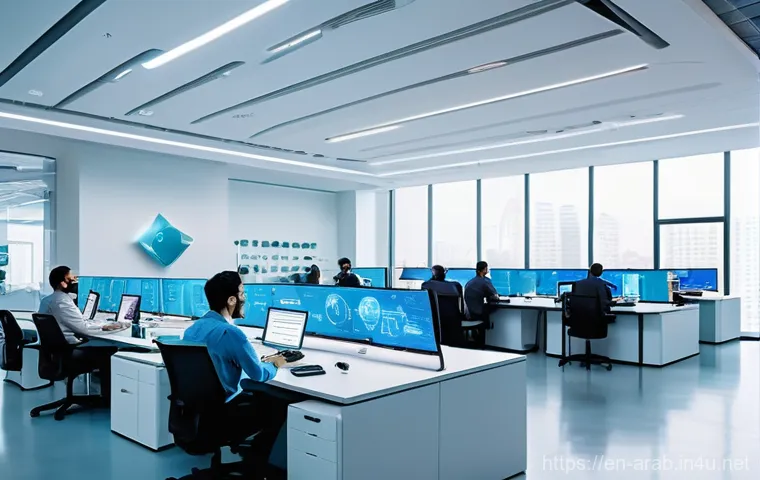
Okay, let’s kick things off with something truly mind-blowing: the smart cities sprouting up across the Arab world. When I first heard about places like NEOM in Saudi Arabia or Masdar City in Abu Dhabi, I honestly thought, “Is this for real? Or just some sci-fi movie pitch?” But trust me, these aren’t just architectural marvels; they’re living laboratories for sustainable, tech-driven urban living. We’re talking about places designed from the ground up to integrate AI, IoT, and renewable energy, all aimed at creating incredibly efficient, livable, and eco-friendly environments. I’ve spent hours poring over the plans for these cities, and the ambition is just staggering. They’re not just building cities; they’re reimagining what a city can be, solving urban challenges before they even arise. Imagine waking up in a place where your commute is seamless, your air is pristine, and your energy footprint is almost zero. It’s not a dream here; it’s becoming a tangible reality, and frankly, it makes you wonder why we aren’t all thinking this big.
NEOM: The Kingdom’s Audacious Vision
Speaking of big, you absolutely cannot talk about smart cities in the region without dedicating some serious thought to NEOM. This isn’t just a project; it’s an entire region aiming to be a global hub for innovation, living, and business. The sheer scale is breathtaking. From ‘The Line,’ a linear city stretching for 170 kilometers designed to have no roads or cars, to Oxagon, a futuristic floating industrial complex, every aspect pushes the boundaries of urban planning and sustainability. I remember reading about their commitment to 100% renewable energy and thinking about the engineering feats required to achieve that on such a grand scale. It’s a testament to Saudi Arabia’s bold vision for economic diversification and becoming a leader in green technology. They’re literally building a new future from the desert sands, and for me, that’s incredibly inspiring.
Masdar City: A Pioneer in Sustainable Urbanism
Then there’s Masdar City in Abu Dhabi, a project that, in many ways, set the precedent for sustainable urban development in the region. I’ve always admired Masdar because they were thinking about clean energy and zero-carbon living long before it became mainstream. This city has been a testbed for renewable energy and sustainable technologies for years, showcasing how smart design, innovative transportation, and efficient resource management can create a thriving community. It’s a bit smaller in scale than NEOM, but its impact as a proof-of-concept for green cities is undeniable. What I find particularly fascinating is how they’ve integrated traditional Arabic architectural elements with cutting-edge technology to naturally cool buildings and minimize energy consumption. It’s a beautiful blend of heritage and innovation, proving that sustainability doesn’t mean sacrificing cultural identity.
The AI Revolution: Driving the Next Wave of Innovation
Now, let’s pivot to something that’s truly transforming industries globally: Artificial Intelligence. The Arab world isn’t just a spectator here; they’re actively becoming a major player, pouring billions into AI research, development, and implementation. I’ve noticed a palpable sense of urgency and excitement around AI initiatives, particularly in countries like the UAE and Saudi Arabia. It’s not just about flashy headlines; it’s about practical applications that are reshaping everything from healthcare and education to finance and logistics. Governments are establishing dedicated AI ministries, launching national strategies, and investing heavily in attracting global talent and fostering local expertise. Honestly, it’s thrilling to see how quickly they’re moving to embrace this technology, understanding its potential to create new economic opportunities and solve complex societal challenges. This isn’t just tech for tech’s sake; it’s about building smarter nations and enhancing the quality of life for millions.
Strategic Investments and National AI Agendas
My take on this is that the strategic focus on AI here is incredibly sharp. Countries like the UAE were among the first globally to appoint a Minister of State for Artificial Intelligence, which tells you everything you need to know about their commitment. These national AI agendas are not just wishful thinking; they’re comprehensive roadmaps outlining investments in infrastructure, talent development, ethical frameworks, and cross-sector collaborations. I’ve seen reports detailing substantial funds allocated to R&D, and it’s clear they’re not just importing technology but aiming to be innovators themselves. They’re establishing world-class research institutions and offering incentives for AI startups, creating a vibrant ecosystem that’s attracting some of the brightest minds from around the globe. This proactive approach is certainly paying off, positioning the region as a significant force in the global AI landscape.
AI in Daily Life: Transforming Services and Industries
What really excites me about AI in this region isn’t just the high-level policy; it’s seeing how it’s being integrated into everyday life and various industries. Think about smart government services powered by AI, optimizing everything from traffic flow to public safety. Or consider the healthcare sector, where AI is being used for early disease detection, personalized treatment plans, and even managing vast amounts of medical data more efficiently. The financial sector is also seeing a massive overhaul with AI-driven fintech solutions making banking more accessible and secure. I’ve personally encountered examples of AI-powered customer service chatbots that are surprisingly effective, making interactions smoother and quicker. This widespread adoption across sectors isn’t just futuristic; it’s fundamentally improving efficiency, convenience, and decision-making, which in turn fuels economic growth and creates new job opportunities.
A Thriving Startup Eco
If you’re anything like me, you get a real kick out of watching new businesses emerge and disrupt established norms. The startup ecosystem in the Arab world? It’s absolutely exploding, and it’s not just a passing trend. For years, the narrative was primarily about oil, but now, a fresh, dynamic entrepreneurial spirit is taking center stage. I’ve been tracking investment figures, and the numbers are truly astonishing, with billions flowing into tech startups across various sectors. This isn’t just about local talent; it’s about a welcoming environment that attracts innovators from all corners of the world, eager to tap into a rapidly growing market and leverage the region’s robust infrastructure and government support. It’s a vibrant, competitive, and frankly, exhilarating space where new ideas are encouraged, funded, and brought to life at an incredible pace.
Unprecedented Funding and Investment
Let’s talk money, because that’s often where the rubber meets the road for startups. The level of funding flowing into the Arab tech scene right now is genuinely unprecedented. I’ve seen reports indicating year-on-year growth in venture capital funding that would make any established tech hub envious. It’s not just a few big deals; it’s a broad spectrum of investments, from early-stage seed funding to significant Series A and B rounds. This surge is fueled by a combination of government initiatives, sovereign wealth funds looking to diversify, and a growing number of private investors who recognize the immense potential. This influx of capital isn’t just lining pockets; it’s enabling startups to scale rapidly, attract top talent, and develop groundbreaking solutions. It’s a clear signal that the world is taking notice of the innovation brewing in this region.
Incubators, Accelerators, and Government Support
What I find particularly effective in this ecosystem is the robust support infrastructure. It’s not just about capital; it’s about nurturing these nascent businesses. We’re seeing a proliferation of world-class incubators and accelerators, many backed by government entities or major corporations, providing mentorship, resources, and networking opportunities. These programs are crucial because they bridge the gap between a brilliant idea and a viable business. Governments, too, are playing an instrumental role, not just through funding but by creating business-friendly regulations, establishing free zones, and fostering policies that encourage entrepreneurship. I’ve spoken with several founders who attest to the ease of setting up shop and accessing support, which is a massive advantage compared to more bureaucratic environments. This holistic support system is truly a game-changer for aspiring entrepreneurs.
Beyond Oil: Economic Diversification through Technology
For decades, the Arab world was largely synonymous with oil, and rightly so. But what I’ve witnessed over the past few years is a strategic, determined pivot towards economic diversification, with technology at its absolute core. This isn’t just a hypothetical plan; it’s a deeply ingrained national strategy across many countries in the region, particularly the Gulf states. They understand that a sustainable future cannot rely solely on a single resource, no matter how abundant. So, they’re consciously investing in knowledge-based economies, fostering innovation, and building new industries from the ground up. This shift is incredibly exciting because it’s not just about creating new revenue streams; it’s about building resilient economies, creating high-value jobs, and establishing global leadership in emerging technologies. It’s a testament to forward-thinking leadership that’s actively shaping a different future for generations to come.
Government-Led Digital Transformation Initiatives
From my perspective, a huge part of this diversification drive comes from top-down government initiatives focusing on digital transformation. These aren’t just minor tweaks; they’re massive, country-wide overhauls designed to modernize every sector. We’re talking about e-government services, smart infrastructure projects, and significant investments in digital literacy and education. I’ve seen firsthand how these initiatives are streamlining bureaucratic processes, making public services more accessible, and generally improving the efficiency of daily life. This commitment to digital-first policies isn’t just about convenience; it’s about creating an enabling environment for businesses, attracting foreign investment, and nurturing a digitally skilled workforce that can compete on a global scale. It’s a proactive and comprehensive approach that’s laying the groundwork for sustainable economic growth well into the future.
Fostering New Industries and Job Creation
The beauty of this economic diversification, powered by tech, is the incredible ripple effect it has on job creation and the development of entirely new industries. We’re not just seeing growth in traditional sectors; we’re witnessing the emergence of vibrant hubs for fintech, edtech, healthtech, and green tech. These new sectors require specialized skills, leading to investments in education and vocational training programs tailored to future demands. I’ve personally observed a palpable buzz around these emerging fields, attracting both local talent returning from abroad and international professionals eager to be part of this dynamic transformation. It’s creating a virtuous cycle where innovation fuels economic growth, which in turn generates more opportunities, further diversifying the economy away from its traditional reliance on hydrocarbons. It’s a fundamental reshaping of national economic identities, and it’s happening at an impressive speed.
The Human Element: Cultivating a Tech-Savvy Workforce
While we talk a lot about grand projects and massive investments, it’s crucial not to lose sight of the most important asset in any technological revolution: the people. The Arab world’s tech boom isn’t just happening because of capital; it’s happening because there’s a concerted effort to cultivate a highly skilled, tech-savvy workforce. I’ve been incredibly impressed by the focus on education, talent development, and attracting global expertise. This isn’t just about building shiny new universities; it’s about fostering a culture of innovation, encouraging critical thinking, and equipping the next generation with the digital skills needed to thrive in a rapidly evolving global landscape. It’s a long-term play, but one that is absolutely essential for sustainable growth and for truly embedding technology into the fabric of society.
Investing in Education and Digital Literacy
One of the pillars of this human-centric approach is the massive investment in education, particularly in STEM fields and digital literacy. I’ve noticed a significant push to revamp curricula, introduce coding from an early age, and establish specialized tech academies. It’s not just about formal education; there’s a strong emphasis on continuous learning and upskilling for the existing workforce. Governments are collaborating with leading tech companies and global institutions to bring cutting-edge programs and certifications to the region. I truly believe this focus on foundational education and broad digital literacy is what will empower a local generation of innovators and entrepreneurs, allowing them to not just use technology but to create it. It’s a fundamental shift in how human capital is being viewed and developed.
Attracting Global Talent and Fostering Local Expertise
Beyond educating its own citizens, the region is also incredibly proactive in attracting top global talent. I mean, who wouldn’t want to work on projects like NEOM or be part of a thriving startup ecosystem? They’re offering competitive incentives, creating attractive living environments, and streamlining visa processes to welcome skilled professionals from around the world. What’s even more exciting is how this influx of international talent is then contributing to the development of local expertise. Knowledge transfer is happening on a massive scale, with experienced professionals mentoring emerging local talent, fostering a truly collaborative and dynamic environment. It’s a brilliant strategy to accelerate growth and ensure that the region isn’t just a consumer of technology, but a significant producer of it as well.
Innovation Hubs and Cross-Sector Collaboration
What I find particularly compelling about the tech landscape in the Arab world is the way different sectors are converging and collaborating to drive innovation. It’s not just tech companies working in isolation; it’s a dynamic interplay between government, academia, startups, and established industries. This cross-pollination of ideas and resources is creating incredibly fertile ground for groundbreaking solutions. You see it in everything from healthcare innovations being developed in smart city environments to fintech solutions being incubated within government-backed accelerators. This collaborative spirit, often facilitated by dedicated innovation hubs and free zones, is truly accelerating the pace of development and ensuring that technological advancements are holistic and impactful across the entire economy. It’s truly a sight to behold.
Dedicated Free Zones and Innovation Districts
To truly understand how this collaboration is fostered, you have to look at the dedicated free zones and innovation districts. Places like Dubai Internet City, Abu Dhabi’s Hub71, or Saudi Arabia’s King Abdullah Economic City (KAEC) aren’t just office parks; they are meticulously planned ecosystems designed to bring tech companies, startups, and talent together. I’ve personally seen how these zones offer streamlined regulations, world-class infrastructure, and a supportive environment that encourages networking and partnership. They act as magnets, attracting both international tech giants and promising local ventures, creating a vibrant melting pot of ideas and expertise. These dedicated spaces are absolutely crucial because they remove bureaucratic hurdles and create a focused environment where innovation can truly flourish without unnecessary constraints.
Public-Private Partnerships Driving Progress
Another key ingredient in this innovation recipe is the strong emphasis on public-private partnerships (PPPs). Governments aren’t just creating policies; they’re actively collaborating with the private sector to fund and execute major tech projects. This synergy is incredibly powerful. You see it in the development of smart infrastructure, in the deployment of advanced AI solutions, and in the growth of the startup ecosystem where government-backed funds often co-invest with private venture capitalists. This collaborative model ensures that projects are not only well-funded but also benefit from the agility and market insights of the private sector, combined with the strategic vision and resources of the public sector. It’s a win-win situation that’s accelerating progress and ensuring that technological advancements have a real-world impact on society and the economy.
Key Tech Hubs and Their Specializations
It’s easy to talk about the “Arab world” as a monolithic entity, but what I’ve observed is a fascinating specialization emerging within different countries, creating a network of interconnected tech hubs. While there’s certainly cross-over, each major player is really leaning into specific areas where they aim to excel. This isn’t just good for competition; it’s creating a more diverse and robust regional tech landscape, allowing for a broader spectrum of innovation. From the UAE’s prowess in AI and smart cities to Saudi Arabia’s ambitious giga-projects and burgeoning gaming industry, and even Egypt’s growing base of tech talent, each nation is carving out its unique niche. It’s like a mosaic of innovation, with each piece contributing to a larger, more comprehensive picture of technological advancement. I find this differentiation incredibly smart because it leverages local strengths and resources effectively.
| Country/Region | Key Tech Focus Areas | Notable Projects/Initiatives |
|---|---|---|
| United Arab Emirates (UAE) | AI, Smart Cities, Fintech, E-commerce, Space Tech | Dubai Internet City, Masdar City, UAE AI Strategy 2031, Mohammed Bin Rashid Space Centre |
| Saudi Arabia | Giga-projects (NEOM), Gaming, Entertainment Tech, Green Energy, Cybersecurity | NEOM (The Line, Oxagon), Qiddiya, Red Sea Project, National Gaming & Esports Strategy |
| Egypt | Outsourcing, IT Services, Fintech, Edtech, Startup Ecosystem | Silicon Waha, Knowledge City, Cairo ICT, Fintech Egypt Strategy |
| Qatar | Smart Solutions, Sports Tech, Fintech, Research & Development | Qatar Science & Technology Park, Msheireb Downtown Doha, Qatar National Vision 2030 |
| Jordan | ICT Outsourcing, Software Development, Gaming, Entrepreneurship | King Hussein Business Park, Oasis500, TechWorks |
UAE’s Visionary Leadership in AI and Smart Living
The UAE, particularly Dubai and Abu Dhabi, consistently strikes me as a forward-thinking leader, especially in AI and smart city initiatives. Their approach is not just about adopting technology but integrating it holistically into urban planning and public services. I’ve been fascinated by how they’re using AI for predictive city management, optimizing everything from energy consumption to traffic flow, making daily life incredibly efficient. Their ambitious goals, like becoming a global leader in AI by 2031, are backed by concrete strategies and substantial investment, attracting top talent and fostering a vibrant research environment. It’s a place where you can genuinely see the future of urban living taking shape, proving that visionary leadership combined with robust investment can create truly transformative outcomes. It’s a place that continually inspires me with its audacity.
Saudi Arabia’s Giga-Projects and Digital Transformation
Saudi Arabia is, without a doubt, the epicenter of ambition with its giga-projects like NEOM. But their tech ambitions stretch far beyond smart cities. I’m seeing a massive push into areas like gaming and esports, with significant investments aimed at making the Kingdom a global hub for these industries. Cybersecurity is another huge focus, given the national imperative to protect critical infrastructure and data. It’s all part of their Vision 2030, a comprehensive plan to diversify the economy away from oil and build a knowledge-based society. The scale of investment and the speed at which these projects are moving is just incredible. It’s a bold statement that Saudi Arabia is not just modernizing but aiming to lead in many emerging technological fields, creating countless opportunities for businesses and individuals alike.
Closing Thoughts
Whew! What an incredible journey we’ve just taken through the heart of the Arab world’s technological revolution. Honestly, diving deep into these topics always leaves me buzzing with excitement, and I hope you feel the same energy. It’s not just about flashy headlines or futuristic renderings; it’s about a genuine, deep-seated transformation happening right before our eyes. I’ve personally watched this region evolve from primarily oil-dependent economies to vibrant hubs of innovation, where cutting-edge technology is solving real-world problems and creating unprecedented opportunities. From the audacious vision of NEOM to the bustling startup scenes in Dubai and Cairo, the sheer scale of ambition and execution here is genuinely inspiring. It’s a powerful reminder that with vision, investment, and a relentless focus on human capital, seemingly impossible futures can become tangible realities. This isn’t just a regional story; it’s a global blueprint for progress, and I, for one, can’t wait to see what amazing innovations emerge next from these dynamic lands. It truly makes you rethink what’s possible, doesn’t it?
Useful Information to Keep in Mind
Navigating the Dynamic Tech Landscape
1. Embrace Cultural Nuances and Local Partnerships: When looking at opportunities in the Arab world, remember that understanding local customs, business etiquette, and cultural values isn’t just polite; it’s absolutely essential for success. Building strong relationships based on trust and mutual respect often takes precedence over purely transactional interactions. I’ve seen firsthand how a genuine effort to connect on a human level can open doors that simply wouldn’t budge otherwise. Seeking out local partners who deeply understand the market and its unique dynamics can significantly de-risk your ventures and accelerate your growth trajectory. They can offer invaluable insights into consumer behavior, regulatory frameworks, and talent pools that are hard to grasp from a distance.
2. Leverage Government Support and Visionary Initiatives: Many countries in the region, particularly the UAE and Saudi Arabia, have robust national visions and strategies that actively support technological innovation, entrepreneurship, and foreign investment. These aren’t just paper policies; they often come with significant funding, incentives, free zones, and streamlined regulatory processes. My advice? Do your homework on specific government programs, incubators, and accelerators that align with your interests. I’ve seen countless startups thrive by strategically tapping into these resources, which can provide a crucial competitive edge in terms of funding, networking, and market access. Don’t underestimate the power of governmental backing here.
3. Focus on Sustainability and Impact: There’s a strong emphasis across the region on sustainable development, green technologies, and solutions that address societal challenges. Whether it’s smart city infrastructure aiming for net-zero emissions or AI applications in healthcare and education, solutions that offer tangible social and environmental benefits often receive preferential treatment and greater investment. If your offering aligns with these broader sustainability and impact goals, you’re likely to find a more receptive audience and stronger support. It’s not just about profit; it’s increasingly about purpose, and the region is showing real leadership in this space.
4. Stay Agile and Adaptable in a Fast-Evolving Market: The pace of change in the Arab tech scene is breathtakingly fast. What’s cutting-edge today might be mainstream tomorrow, and new opportunities are constantly emerging. This requires a high degree of agility and adaptability, both in your business model and your mindset. Be prepared to iterate quickly, pivot if necessary, and continuously learn from market feedback. I’ve found that those who remain flexible and responsive to the evolving landscape are the ones who truly capture the lion’s share of opportunities. Don’t get too comfortable; the next big thing is always just around the corner.
5. Invest in Local Talent Development: While the region is actively attracting global talent, there’s also a significant push to develop and empower local workforces. Companies that demonstrate a commitment to training, upskilling, and integrating local talent into their operations often find greater favor and long-term success. This isn’t just about corporate social responsibility; it’s a smart strategic move. Building a strong local team provides invaluable cultural insight, fosters stronger community ties, and contributes to the sustainable growth of the ecosystem. It’s about growing together with the region, not just operating within it.
Key Takeaways
At its heart, the Arab world’s tech transformation is a compelling narrative of audacious vision meeting strategic execution. What I want you to walk away with is this: this isn’t a fleeting moment, but a deeply embedded, long-term commitment to economic diversification driven by technology. We’ve seen how smart cities like NEOM and Masdar are reimagining urban living, setting new global benchmarks for sustainability and efficiency. The aggressive push into AI and the flourishing startup ecosystem are creating fertile ground for innovation, attracting billions in investment and cultivating a new generation of entrepreneurs. This whole movement is underpinned by a profound understanding that human capital is paramount, leading to massive investments in education and a concerted effort to attract and nurture global talent. Ultimately, it’s a story of collaboration—between governments, private enterprises, and academic institutions—all working in concert to build resilient, knowledge-based economies that will shape not just regional fortunes, but global technological advancements for decades to come. It’s a truly exciting time, and the world is taking notice.
Frequently Asked Questions (FAQ) 📖
Q: So, what’s really behind this amazing tech surge in the
A: rab world right now? Is it just government pushing, or is there more to it? A1: That’s a fantastic question, and one I hear a lot!
When I first started looking into this, I admit I thought it might just be top-down government initiatives, and while those are incredibly important—think Saudi Arabia’s Vision 2030 or the UAE’s AI Strategy 2031—it’s actually so much more nuanced and exciting than that.
Governments are indeed playing a huge role by investing billions in digital infrastructure, setting up AI authorities, and creating policies that actively encourage innovation and attract foreign investment.
But what I’ve personally observed, and what truly makes this a seismic shift, is the underlying energy of a really young, tech-savvy population. They’re not just consumers; they’re innovators!
High internet and mobile penetration mean ideas can spread like wildfire, and there’s a growing entrepreneurial spirit that’s truly infectious. Plus, let’s not forget the sheer ambition to diversify economies away from oil and gas, which is a massive motivator for everyone involved.
It’s this powerful combination of visionary leadership, a dynamic young workforce, and a clear economic imperative that’s driving this incredible transformation.
Q: Beyond the futuristic cities like NEOM and Masdar, what other specific tech sectors are really booming, and what kind of cool stuff are they working on?
A: It’s easy to get mesmerized by the sheer scale of projects like NEOM and Masdar, which are genuinely redefining urban living with AI, IoT, and renewable energy.
But what’s truly fascinating is how diverse the tech growth is across the region. I’ve seen firsthand how AI is being integrated into everything from healthcare to transportation, aiming to reduce accidents and manage facilities more efficiently.
The UAE, for example, is making huge strides in AI, even planning to build the world’s largest AI data center cluster and launching programs to educate the entire society about AI from age 7 to 70!
FinTech is another massive area, challenging traditional banking with digital payments, peer-to-peer lending, and AI-driven solutions. Countries like Saudi Arabia and the UAE are becoming global FinTech hubs, driven by a young population hungry for convenient financial products.
And don’t even get me started on the renewable energy push! Beyond smart cities, there are huge solar parks like the Mohammed bin Rashid Al Maktoum Solar Park in Dubai and wind farms in Saudi Arabia, aiming for significant portions of their energy to come from green sources.
We’re talking billions in investments to make these countries sustainable energy powerhouses. It’s not just about flashy smart cities; it’s about a deep, broad-based adoption of cutting-edge tech.
Q: How will this tech growth in the
A: rab world actually affect people like us, globally, or even in our everyday lives? A3: That’s a question I often ponder, and honestly, the ripple effects are already starting to be felt globally, and they’re only going to intensify.
For starters, the innovation coming out of this region, especially in sustainable tech and AI, could offer solutions to global challenges that we all face.
Imagine advanced smart city technologies being refined in places like NEOM and then scaled to help other urban centers worldwide become more efficient and green.
On a more personal level, the thriving startup ecosystems, particularly in places like Egypt and Saudi Arabia, are fostering new businesses that could bring innovative products and services to global markets.
We might see new FinTech solutions that streamline international payments or e-commerce platforms that connect us to unique goods. Plus, the massive investments in digital infrastructure, cloud computing, and AI data centers mean a more robust and interconnected global digital landscape.
This isn’t just about local prosperity; it’s about the Arab world becoming a significant player in shaping the technological future for everyone, contributing new ideas, talent, and capital to the global innovation conversation.
It truly shifts perceptions and opens up exciting new avenues for collaboration and shared progress.