
The best way to get around Arabic-speaking countries is to plan by the specific city, not by the region as a whole. Public transit can be the best value in a well-connected major city, while ride-hailing or a pre-booked airport transfer may be more practical when luggage, timing, or unfamiliar routes are involved.
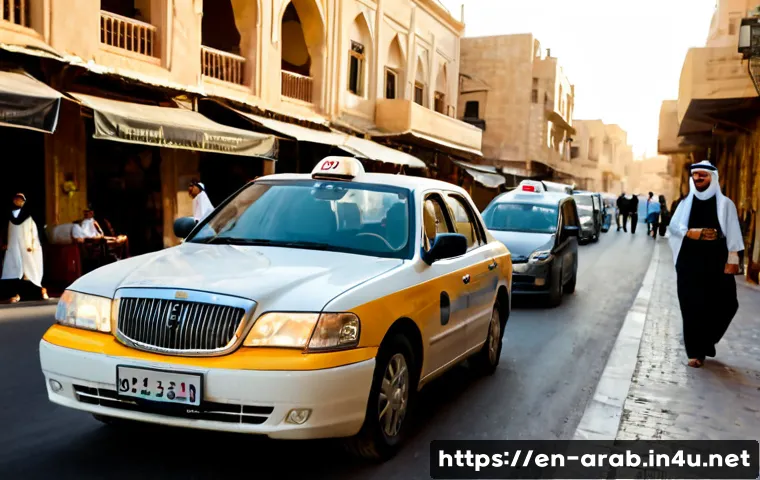
Transport choices can affect both your daily budget and your comfort, especially during airport arrivals and rush-hour trips. Taxis, rental cars, and private drivers each solve different problems, so compare fare certainty, payment methods, and local availability before choosing.
A little preparation also helps you avoid misunderstandings about fares, pickup points, and driving requirements.
At a Glance
- Use public transit when a major city has a convenient metro, tram, or bus route near your destination.
- Choose ride-hailing or a licensed taxi when door-to-door convenience, evening travel, or route clarity matters most.
- Book a private transfer or consider a rental car when traveling with luggage, family members, business schedules, or between cities.
| Transport Option | Cost Predictability | Convenience | Payment Check | Best for Luggage |
|---|---|---|---|---|
| Metro, tram, or bus | Often easier to plan when fares and routes are posted | Best near stations and established routes | Cash, cards, or mobile payment availability varies | Usually less convenient during crowded periods |
| Licensed taxi | Depends on meters, fixed fares, zone pricing, or negotiation | Direct and widely useful in many cities | Keeping cash available can be helpful | Often suitable, but confirm vehicle space first |
| Ride-hailing | Can provide clearer trip details before departure | Useful for door-to-door trips where available | Check the app’s accepted payment methods | Useful when the vehicle type fits your bags |
| Rental car or private driver | Review rental agreement, coverage, and transfer terms first | Flexible for multiple stops or travel beyond city centers | Card requirements and included services need checking | Often practical for groups and larger luggage loads |
The Quick Answer: Plan Transport by City, Not by Region
Arabic-speaking destinations extend across North Africa, the Gulf, the Levant, and parts of East Africa. That broad geography means there is no single “Arab transport culture.” A major metropolitan area may have a metro, tram, buses, taxis, ride-hailing, and airport-transfer services, while a smaller city may depend much more on taxis, shared vehicles, or private cars.
Why Arabic-Speaking Destinations Cannot Be Treated as One Transport Market
Transport planning should begin with your arrival airport, hotel area, meeting location, and daily route. Do not assume that a payment method, taxi practice, or public-transit system from one country will work the same way in another. Even within the same country, an airport, city center, business district, and outlying neighborhood may offer very different choices.
Before travel, check the current options for your exact destination. This is particularly important for ride-hailing availability, transit coverage, airport taxi procedures, and accepted payment methods.
The Fastest Way to Choose Between Transit, Taxis, and Private Services
Ask three practical questions: Is there a direct public route? Do you need a predictable pickup time? Are you carrying bags, traveling with children, or arriving after a long flight? If a station is close to both ends of your journey, public transit may offer the best value. If the route is unfamiliar or time-sensitive, ride-hailing, a licensed taxi, or a pre-booked airport transfer may reduce friction.
Predictability is often worth paying for when your first trip is from the airport, when you have an appointment, or when you need enough vehicle space for luggage.
Compare the Main Ways to Get Around
Metro, Tram, and Bus Systems: When They Provide the Best Value
Metro, tram, and bus systems can be efficient in larger urban areas, especially when your hotel, office, or attraction is near a stop. They can also reduce the effect of road congestion on some routes. However, coverage, operating patterns, ticketing methods, and accessibility vary by city.
Use transit when you can confirm the route in advance and you are comfortable managing your own transfers. For a first airport arrival with heavy bags, a transit route may be less convenient even if it appears cheaper. Check whether cash, a transit card, bank card, or mobile payment is required before you leave your accommodation.
Taxis and Ride-Hailing: Fare Clarity, Convenience, and Payment Checks
Taxis remain a central transport option in many Arabic-speaking cities. Depending on the location, a licensed taxi may use a meter, a fixed airport fare, zone pricing, or a negotiated fare. Confirm the fare method before the vehicle moves, particularly when there is no clearly displayed meter process.
Ride-hailing can be helpful where it operates because it may make pickup details, destination entry, and trip records easier to manage. That does not remove the need to confirm the correct vehicle and driver details. Check the vehicle plate, driver information, pickup point, and in-app payment setting where applicable.
Cash remains useful for many local transport transactions, although cards and mobile payments are increasingly available in larger urban areas. Carrying some local cash can be sensible, but do not assume every driver, taxi stand, or service accepts the same payment method. If you need a receipt for business travel, ask whether one is available before the journey begins.
Rental Cars and Private Drivers: When the Higher Cost May Save Time
A rental car may suit travelers visiting several places, traveling between cities, or staying outside areas served by public transit. It can also make sense for groups whose travel needs would otherwise require several separate taxi trips. Still, driving customs, congestion, parking conditions, and local road rules can make a car less convenient than it looks on a map.
A private driver or pre-booked transfer can be a practical alternative when you want a confirmed pickup, a clear meeting point, and door-to-door service. Before booking, compare the pickup instructions, luggage policy, waiting terms, payment method, cancellation conditions, and any included insurance or coverage details.
Local Etiquette and Practical Expectations
Greeting Drivers, Confirming Destinations, and Discussing Fares Respectfully
A polite greeting and a clear destination make transport interactions easier. Show the destination on your phone or provide the hotel or building name if needed. If the fare may be negotiated, discuss it calmly before departure rather than debating it after arrival.
Local expectations around conversation, personal space, dress, and seating can vary by setting and traveler profile. Observe the environment, remain respectful, and avoid assuming that one city’s customs apply everywhere.
Cash, Cards, Tipping, and Asking for Receipts
Keep small amounts of local cash available for situations where digital payment is unavailable or uncertain. For card and mobile payment, confirm acceptance before the ride starts. If a receipt matters for expense reporting, request it early rather than after a rushed drop-off.
Tipping practices differ by location and service type. If you are unsure, ask your hotel, host, local contact, or the transport provider about current local expectations instead of relying on a general regional rule.
Personal Space, Seating, and Family Travel Considerations
Seating preferences and personal-space norms can vary. Families should also check whether the vehicle is large enough for passengers, bags, strollers, or child seats. Local rules on seat belts and child seats differ by jurisdiction, so verify the current requirement for your destination and vehicle type.
Avoid Common Transport Mistakes
Airport Pickup Errors and How to Confirm a Legitimate Service

Airport arrivals are where travelers are most likely to make rushed decisions. Know your intended pickup method before landing: official taxi line, ride-hailing pickup area, hotel-arranged car, or pre-booked airport transfer. If you have booked a transfer, save the meeting instructions and provider contact details.
For any booked service, confirm the vehicle details, meeting point, passenger name process, and payment status. Do not assume that someone approaching you inside an arrivals area represents your hotel or transfer provider.
Rush Hour, Road Conditions, and Realistic Travel-Time Buffers
Traffic congestion can significantly affect airport journeys, commuting, and intercity travel in large metropolitan areas. A route that looks short can take longer during busy periods. Build a buffer for flights, meetings, and rail connections instead of planning around an ideal travel time.
For business visitors, a pre-arranged pickup may be useful when a delayed arrival would affect a meeting. For leisure travelers, checking a live route shortly before departure can help you decide whether transit or a road-based option is more practical that day.
Insurance, License, and Rental Agreement Checks Before Driving
Before renting a car, review the vehicle agreement carefully. Confirm who may drive, what documentation is required, what coverage is included, what exclusions apply, and how roadside or accident procedures are handled. Driving-license, permit, insurance, seat-belt, child-seat, and alcohol-related driving rules differ by jurisdiction.
Do not rely on general travel advice for legal or insurance requirements. Check the current official guidance and the rental-car provider’s terms for your exact destination before collecting the vehicle.
Transport Advice by Travel Situation
Solo Visitors and First-Time Travelers
For a first visit, choose options that make the route and payment process clear. A metro route can work well when it is direct and easy to understand. Otherwise, a licensed taxi, ride-hailing service, or airport transfer may feel simpler for the first journey. Keep your destination saved in writing and confirm the fare approach before departure.
Families, Groups, and Travelers with Luggage
Families and groups should focus on vehicle capacity, child-seat needs, luggage space, and pickup certainty. A transport choice that looks inexpensive per ride may become inconvenient if it requires multiple vehicles or repeated transfers. A larger ride-hailing category, private transfer, or rental car may be easier to manage, depending on the city and itinerary.
Business Trips, Meetings, and Intercity Schedules
Business travel often rewards reliability over the lowest possible fare. For airport-to-hotel travel, early meetings, or an unfamiliar city, compare airport-transfer terms and receipt availability before booking. For intercity travel, consider whether regional rail, a rental car, a private driver, or another local option best fits your schedule and luggage.
If you rent a car for business travel, check rental-car coverage and documentation requirements in advance. If a meeting has little flexibility, allow extra time for congestion and finding the correct entrance or pickup location.
Choosing the Best Option: Cost, Safety, and Convenience Summary
Use this final checklist before booking or entering a vehicle:
- Route: Is public transit direct enough for this trip?
- Fare: Is the price metered, fixed, zone-based, app-displayed, or negotiable?
- Payment: Do you have the needed cash, card, or mobile payment option?
- Timing: Could congestion affect an airport trip, meeting, or intercity connection?
- Capacity: Will the vehicle fit all passengers, bags, and required child seats?
- Documentation: If driving, have you checked license, rental agreement, and coverage terms?
Paying more for a pre-booked transfer can be worthwhile when a confirmed airport pickup, luggage capacity, or punctual arrival matters. Rental-car coverage may also deserve closer comparison when driving is central to your itinerary. For current details, compare the official transport guidance, airport-transfer terms, travel insurance coverage, and rental-car conditions on the relevant provider pages.
In Closing
Transport in Arabic-speaking countries is best approached as a city-by-city planning task. The most suitable option depends on route coverage, traffic, payment access, luggage, and how much certainty you need. Public transit may be efficient in one major city, while a taxi, ride-hailing service, or private transfer may be the more sensible choice elsewhere. Confirm practical details before travel, especially for airport pickups and rental vehicles.
Useful Things to Know
1. Keep local cash available even if you expect to pay by card or mobile device.
2. Confirm how a taxi fare is calculated before starting the trip.
3. Save your destination in writing for easier communication.
4. Allow additional time for metropolitan traffic.
5. Check vehicle space and child-seat needs before booking family transport.
Important Notes
Taxi prices, meter practices, transit coverage, ride-hailing availability, payment methods, safety conditions, and service quality can change by city, neighborhood, and time. Current visa, driving permit, insurance, and road-rule requirements must be verified for your individual trip. This guide provides a planning framework rather than destination-specific legal, safety, or insurance advice.
Frequently Asked Questions
Q1. Is ride-hailing usually safer than taking a street taxi in Arabic-speaking countries?
A1. It depends on the city, provider, and current local conditions. Ride-hailing may offer clearer pickup and trip details where available, while licensed taxis can also be a standard local option. Check the vehicle and driver information, use official pickup areas when relevant, and confirm the route and payment method.
Q2. Should I book an airport transfer in advance or use a taxi on arrival?
A2. A pre-booked airport transfer can be useful when you want a confirmed pickup, clear meeting instructions, luggage capacity, or a more predictable arrival process. A taxi may be practical when an official airport taxi system is easy to use. Compare the current airport procedure, fare method, transfer terms, and payment options before deciding.
Q3. Is renting a car worth the cost for travel between cities?
A3. A rental car may be worthwhile when your itinerary includes multiple stops, places beyond public-transit coverage, or travel with a group and luggage. It may be less attractive if you are uncomfortable with local driving conditions, congestion, parking, or documentation requirements. Compare regional rail or other transport options, then review rental-car coverage and driving rules before booking.