You know that feeling when a meme just gets you? It transcends language, culture, and even geographical borders, making you nod, laugh, or simply think, “Yes, exactly!” But have you ever stopped to consider how this global phenomenon takes on unique, vibrant colors in different corners of the world?
My digital journey has led me to explore countless online communities, and let me tell you, few are as fascinating and rich as the internet meme scene in the Arab world.
It’s truly a universe unto itself, brimming with creativity that’s often overlooked by mainstream Western media. From clever visual puns about everyday life and those hilariously accurate observations about family dynamics to sharp, incisive commentary on current events, Arab memes are more than just fleeting jokes.
They’re a pulse check on society, a vibrant tapestry woven with humor, cultural references, and sometimes, incredibly powerful social and political statements.
I’ve spent hours scrolling, laughing, and learning, and what I’ve discovered is a dynamic cultural force that not only entertains but also helps shape identity and spark important conversations among millions.
It’s been incredible to watch how these digital nuggets spread like wildfire, capturing the zeitgeist and connecting people in ways you might not expect.
They represent a blend of tradition and modernity, constantly evolving with new platforms and technologies. If you’re ready to peel back the layers of this captivating digital landscape and understand what truly makes Arab internet memes tick, you’re in for a treat.
Let’s embark on this exciting cultural exploration together.
It’s truly something else, isn’t it? Stepping into the world of Arab internet memes is like finding a secret garden full of vibrant colors and unexpected delights.
What first struck me, as I delved deeper, was just how utterly *relatable* so much of it is, even with cultural nuances that might seem distant at first glance.
It’s a testament to the universal language of humor, but with a wonderfully unique accent. I’ve spent countless evenings just scrolling through my feeds, often finding myself laughing out loud at the cleverness, the timing, and sometimes, the sheer audacity of these digital creations.
It’s a rich tapestry, and every thread tells a story.
The Cultural Tapestry of Arab Memes
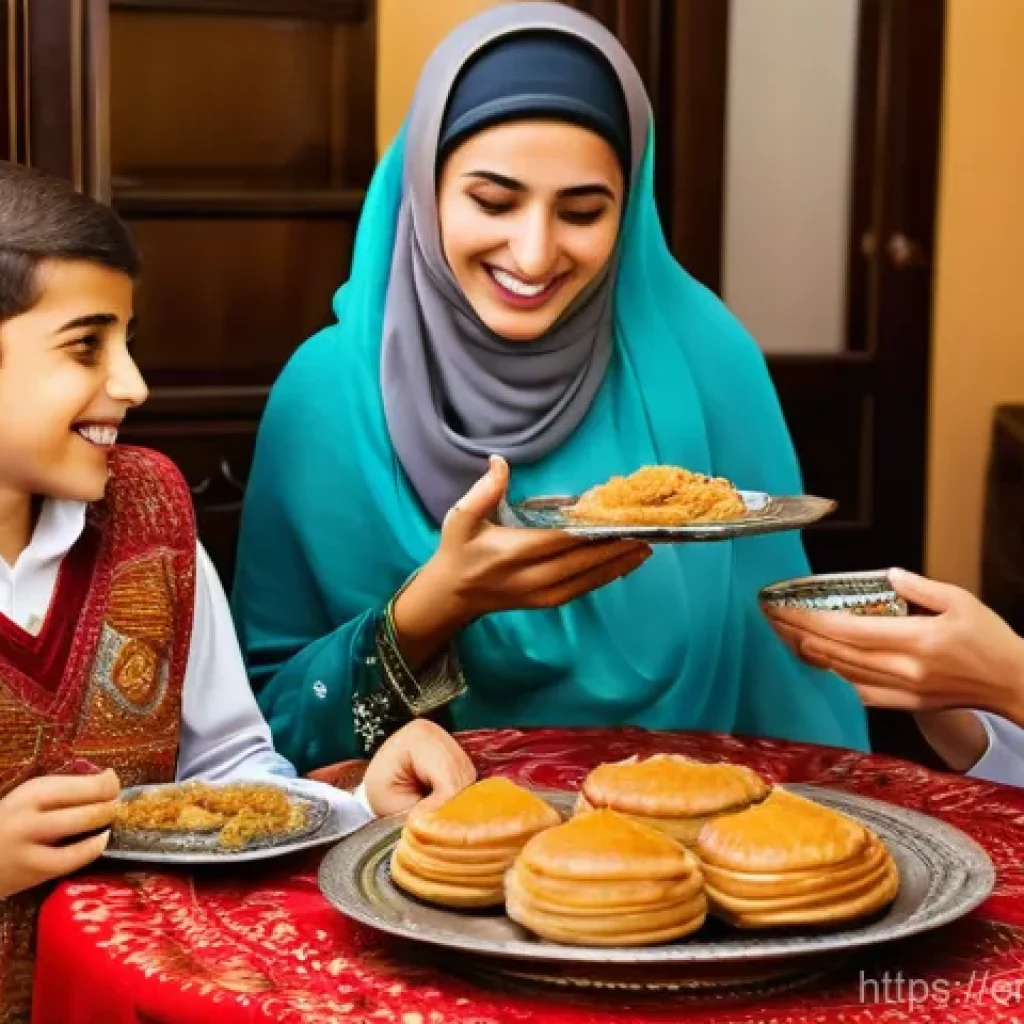
Diving headfirst into Arab meme culture, one of the first things you’ll notice, and honestly, what I found most endearing, is how deeply ingrained traditional cultural elements are, yet presented with a thoroughly modern twist. It’s not just about jokes; it’s about a shared cultural understanding that transcends geographical boundaries within the Arab world. I remember stumbling upon a meme about a mother’s reaction to a messy room – the visual was generic, but the overlaid Arabic text, in a specific dialect, made it instantly recognizable and gut-bustingly funny to anyone who’s ever had an Arab mother. This isn’t just humor; it’s a nod to collective experiences, a wink and a smile that says, “Yeah, we’ve all been there.” It creates an immediate sense of belonging, a digital community where everyone “gets” the joke, because it’s rooted in something profoundly familiar. From the elaborate hospitality rituals to the nuances of family gatherings, these memes brilliantly capture the essence of everyday Arab life, often with a self-deprecating humor that I personally find incredibly charming. It’s like an ongoing inside joke that millions of people are in on, constantly evolving and adapting. What really gets me is how these seemingly simple images or videos become vessels for complex cultural narratives, easily shared and understood across diverse demographics. They’re not just funny; they’re insightful, offering a window into the soul of a culture that’s both ancient and fiercely modern.
Bridging Generations with Shared Laughter
One of the most fascinating aspects I’ve observed is how Arab memes effortlessly bridge generational gaps. You might think that internet humor is solely the domain of the youth, but in the Arab world, I’ve seen teenagers, their parents, and even grandparents sharing and chuckling over the same memes. It’s not uncommon to find a grandmother forwarding a hilarious WhatsApp meme about traditional food or family gatherings. This isn’t just incidental; it’s a significant cultural phenomenon. The universality of themes like family expectations, the nuances of Arab hospitality, or even just the daily grind, means these memes resonate across age groups. It’s a delightful sight, watching how a digital snippet can spark conversation and shared laughter between a tech-savvy grandchild and their more traditional elder. This cross-generational appeal dramatically increases the reach and impact of these memes, making them powerful tools for both entertainment and cultural preservation. It’s a beautiful thing to witness, truly, how digital content can foster connection in such a tangible way.
The Unmistakable Flavor of Regional Dialects
As I explored further, I quickly realized that the richness of Arab meme culture is heavily influenced by the incredible diversity of Arabic dialects. This isn’t a monolithic language; it’s a spectrum, and memes often leverage these regional linguistic flavors for maximum comedic effect. A meme in Egyptian Arabic might hit differently than one in Saudi or Levantine Arabic, and that’s precisely where the magic happens. Creators often use specific colloquialisms, accents, and even unique slang from their respective regions, making the humor even more potent and localized. I’ve spent time trying to decipher some of these, and it’s been an enlightening, often hilarious, journey. It’s a celebration of linguistic diversity, turning what some might see as a barrier into a source of endless comedic possibilities. This localization isn’t just about language; it imbues the memes with a deep sense of identity, allowing people to connect with content that feels authentically “theirs.” It truly makes the entire experience so much richer and more personal.
Beyond the Laugh: Social Commentary and Impact
It would be a mistake to dismiss Arab memes as mere trivialities. From my perspective, they are often incredibly potent vehicles for social commentary, subtle critique, and even outright protest. What I’ve consistently noticed is how creators cleverly embed layers of meaning within seemingly innocent images or short videos, allowing for a form of expression that might otherwise be stifled. Whether it’s a playful jab at bureaucratic inefficiencies, a sarcastic take on societal norms, or a more pointed commentary on current political events, memes provide a unique outlet. This isn’t just about sharing a joke; it’s about sharing a perspective, sparking a conversation, and sometimes, even mobilizing sentiment. I’ve seen memes that, within hours, become the talking point of an entire nation, reflecting collective frustrations or aspirations. They act as a digital barometer, gauging the public mood and often amplifying voices that might not be heard through traditional channels. It’s a fascinating study in digital communication and its power to shape perceptions and even instigate change, proving that humor can indeed be a powerful weapon. The sheer ingenuity in crafting these messages, often skirting around sensitivities, is truly remarkable and speaks volumes about the creative spirit.
Subtle Protests and Everyday Realities
One of the most striking things about Arab memes is their ability to deliver powerful social commentary under the guise of humor. I’ve often seen memes that, on the surface, are just silly, but upon closer inspection, they reveal a sharp, sometimes biting, critique of everyday realities or societal issues. Think of memes highlighting the struggles of youth unemployment, the pressures of marriage, or even the challenges of daily commutes. These aren’t just complaints; they’re expressions of shared experiences, validating feelings of frustration or solidarity. What I’ve found particularly compelling is how they manage to bypass traditional censorship or scrutiny by couching serious issues in a lighthearted, digestible format. This allows for a wider dissemination of ideas and provides a platform for people to voice concerns that might otherwise go unaddressed. It’s a testament to the creativity and resilience of communities finding innovative ways to communicate and address important topics, fostering a sense of collective understanding and shared purpose that I truly admire.
Building Community Through Shared Experiences
Beyond individual expression, Arab memes are incredibly effective at fostering a sense of community. When you share a meme that perfectly encapsulates a shared experience, there’s an immediate feeling of camaraderie. I’ve personally felt this when seeing memes that perfectly describe the intricate dynamics of a large Arab family, or the universal exasperation with traffic. It’s that moment of recognition, that feeling of “Oh my goodness, someone else gets it!” that builds bridges. This isn’t just about laughter; it’s about solidarity. These digital snippets create micro-communities of shared understanding, where people can connect over common joys, frustrations, or cultural quirks. In a world that often feels fragmented, I’ve seen how these memes bring people together, fostering dialogue and strengthening bonds, even among strangers online. They reinforce cultural identity and create a shared narrative, proving that humor is indeed a powerful unifying force that transcends virtual spaces and builds genuine connections.
The Evolution of Meme Culture in the Middle East
It’s genuinely astounding to witness how rapidly meme culture has evolved in the Middle East. It feels like just yesterday we were sharing static image macros with bold white text, and now we’re deep into complex video edits, TikTok trends, and sophisticated visual storytelling. I remember back in the early days, discussions about memes often happened in niche online forums or chain emails. Fast forward to today, and they are ubiquitous, saturating every major social media platform. This evolution isn’t just about technological advancement; it’s a reflection of changing user behaviors and the increasing digital fluency across the region. What was once a relatively small, often underground, phenomenon has blossomed into a mainstream form of communication and entertainment. The creativity has exploded, with individuals and even professional content creators constantly pushing the boundaries of what a meme can be. From simple reactions to intricate narratives, the journey has been dynamic and utterly captivating to watch. It truly feels like a living, breathing entity, constantly adapting and reinventing itself, always finding new ways to surprise and delight its audience. This rapid progression is a clear indicator of how deeply integrated digital culture has become in everyday life, showcasing a vibrant and incredibly active online community.
From Forums to TikTok: A Digital Transformation
The journey of Arab memes, in my personal observation, has mirrored the broader digital transformation of the region. I recall a time when sharing humor online meant forwarding grainy images via email or posting on regional forums. It was a more enclosed, slower-paced environment. Then came the explosion of platforms like Facebook, Twitter, and Instagram, which provided fertile ground for memes to truly flourish. And now, with the advent of TikTok and short-form video content, the meme landscape has undergone another radical shift. What used to take hours to create and days to spread can now be conceived, produced, and go viral within minutes. This shift has democratized meme creation, allowing anyone with a smartphone to become a content creator. It’s a testament to the adaptability of digital humor and the eagerness of users to embrace new formats. This rapid evolution means that the meme ecosystem is constantly in flux, making it an incredibly exciting space to observe and participate in, as new trends emerge at lightning speed and keep us all on our toes, ready for the next big thing.
The Rise of Local Meme Creators
As the platforms evolved, so too did the creators. Initially, many memes were often adaptations of Western templates with Arabic captions. However, what I’ve seen explode in recent years is the emergence of incredibly talented local meme creators who are producing original, culturally specific content. These individuals, often working independently, have a deep understanding of local humor, current events, and linguistic nuances, allowing them to craft memes that resonate profoundly with their audience. They are the unsung heroes of the digital space, often starting with a passion project that unexpectedly goes viral. I’ve followed some of these creators and it’s been inspiring to see their journey, from small accounts to influential voices, shaping online discourse and entertainment. Their unique perspectives and authentic voices are what truly give Arab meme culture its distinctive character and ensure its continued relevance. This grassroots movement of local talent is a powerful force, constantly injecting fresh ideas and perspectives into the digital tapestry.
Decoding the Humor: Common Themes and Tropes
When you spend enough time immersed in Arab internet memes, certain themes and tropes start to emerge, creating a recognizable comedic language. What I’ve found particularly fascinating is how these recurring elements often tap into universal human experiences, but with a distinctly Arab flavor. It’s like finding a familiar melody, but played with unique instruments and a different rhythm. From the delightful chaos of family gatherings to the relatable struggles of everyday life, these memes brilliantly encapsulate moments that everyone can understand. But they also delve into more specific cultural touchstones, transforming them into comedic gold. I’ve often chuckled at how accurately some memes portray the often-overwhelming hospitality, or the dramatic flair that can accompany mundane events. It’s not just about what’s funny; it’s about what’s *true* to the experience, and that’s where the real magic lies. Understanding these recurring motifs is key to truly appreciating the depth and ingenuity of Arab meme culture. They act as cultural shorthand, allowing for complex ideas or situations to be communicated instantly and effectively, fostering a deeper connection with the audience. The consistent presence of these themes proves their enduring appeal and relevance to daily life.
Family Dynamics: A Universal Goldmine
If there’s one theme that truly dominates Arab meme culture, it has to be family dynamics. I mean, who can resist a good laugh about the eccentricities of relatives or the loving, yet often overbearing, nature of parents? I’ve personally found endless entertainment in memes that depict a mother’s relentless quest for her child to eat more, or the classic “where is your brother/sister?” interrogations. These memes resonate so deeply because they’re rooted in universal experiences, amplified by the strong familial bonds prevalent in Arab societies. They capture the humor in shared responsibilities, the subtle power struggles, and the unconditional love that defines these relationships. It’s a goldmine of relatable content that transcends borders, making everyone, regardless of their background, nod in recognition and share a knowing smile. This focus on family not only provides endless comedic fodder but also reinforces cultural values, making these memes both entertaining and subtly educational. It’s truly heartwarming to see how humor can celebrate such fundamental aspects of life.
Navigating the Absurdities of Daily Life
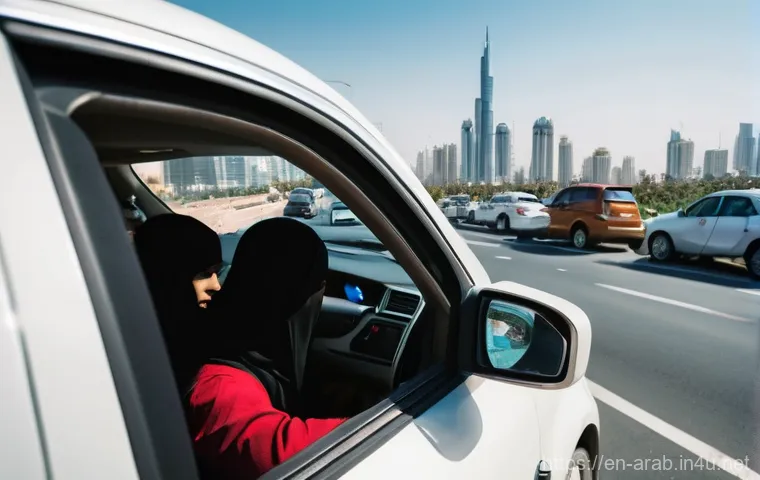
Beyond family, Arab memes are brilliant at highlighting the everyday absurdities and frustrations that are a part of life. Think about it: traffic jams, bureaucratic paperwork, or even just the endless quest for good Wi-Fi. These mundane situations, when viewed through the lens of meme culture, transform into hilarious shared experiences. I’ve seen countless memes that perfectly capture the exasperation of waiting in a long line or the sheer joy of finding a parking spot. What I appreciate most is how these memes allow people to collectively vent and find humor in common irritations, turning a potential source of stress into a moment of shared laughter. It’s a wonderful coping mechanism, really, to be able to collectively acknowledge the little annoyances of life and laugh them off. This type of humor creates a sense of solidarity, reminding us that we’re all in this together, navigating the same daily challenges, and finding joy in the collective experience of overcoming them, even if it’s just through a funny image. It’s therapeutic, in its own way.
Political Puns and Ponderings
It wouldn’t be a complete picture of Arab memes without acknowledging their role in political commentary. I’ve observed that, often, these memes serve as a remarkably clever and sometimes daring way to engage with current events and express political opinions. The humor can range from lighthearted satire to sharp, incisive critique, often employing wordplay or visual metaphors that are instantly understood by the local audience. What I find particularly interesting is how these memes can convey complex political sentiments in a digestible, shareable format, often circumventing more traditional forms of media scrutiny. It’s a testament to the ingenuity of creators and the power of humor as a tool for public discourse. This isn’t just about making people laugh; it’s about making people think, sparking conversations, and sometimes even influencing public opinion. It shows a profound level of engagement with the world around them, using creativity to tackle even the most serious topics with a touch of wit and a whole lot of insight. They are often a real-time reflection of the public’s sentiment, which is incredibly powerful.
My Personal Journey Through Arab Meme-dom
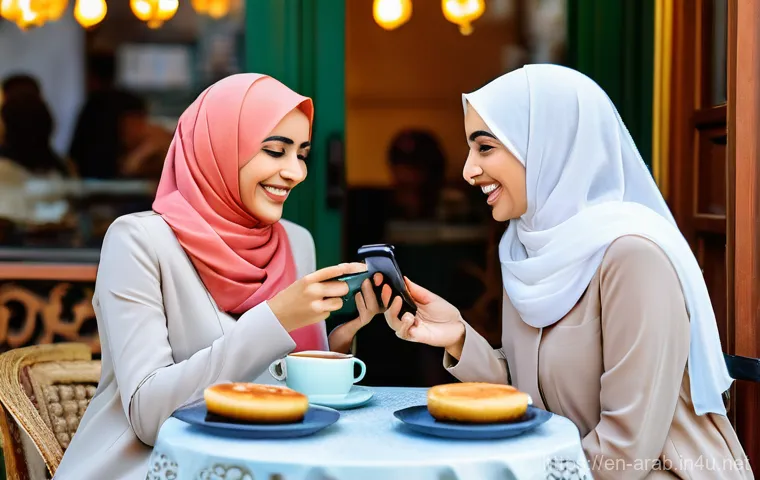
Stepping into the world of Arab memes wasn’t something I planned; it was more like an accidental stumble into a truly captivating rabbit hole. But once I was in, there was no turning back! I distinctly remember one evening, late into the night, just casually scrolling through Instagram when I first encountered a meme that made me literally snort-laugh. It was a simple image, but the Arabic text overlay was so perfectly crafted, so utterly relatable to a universal scenario, that I instantly felt hooked. From that moment on, I started actively seeking them out, following accounts, and even getting friends who are fluent in various Arabic dialects to explain the more nuanced jokes. It’s been an absolute blast, a constant source of amusement, and unexpectedly, a brilliant way to gain a deeper appreciation for the cultural fabric of the Arab world. What started as casual browsing quickly transformed into a genuine fascination, a true cultural immersion that I never anticipated. It’s truly broadened my horizons and given me so many moments of pure, unadulterated joy. I honestly can’t imagine my social media feed without a healthy dose of Arab memes now!
Discovering Hidden Gems and Inside Jokes
Part of the thrill of my personal journey has been the continuous discovery of “hidden gems” and subtle inside jokes. You know the feeling – when you finally “get” a meme that’s been circulating for a while, and suddenly all the previous references click into place? It’s incredibly satisfying. I’ve spent hours, I won’t lie, trying to understand specific colloquialisms or cultural references that initially flew over my head. And let me tell you, when it finally clicks, it’s an exhilarating feeling! It’s like being initiated into a secret club, gaining access to a deeper layer of understanding and appreciation. These aren’t just one-off jokes; they’re often part of a larger tapestry of humor, referencing previous memes, historical events, or popular cultural figures. This layered complexity is what makes them so engaging and keeps me coming back for more. It’s an ongoing learning experience, and honestly, it’s one of the most enjoyable ways I’ve ever learned about a new culture. Every new discovery feels like finding a treasure.
The Unexpected Joy of Cultural Immersion
Perhaps the most unexpected outcome of my deep dive into Arab meme culture has been the profound sense of cultural immersion it has provided. I mean, who knew that scrolling through funny pictures could be such an insightful learning experience? Through these memes, I’ve gained a much richer understanding of social norms, daily challenges, and the unique perspectives that shape life in different parts of the Arab world. It’s like getting a direct feed into the collective consciousness, seeing what makes people laugh, what frustrates them, and what brings them joy. This isn’t just passive consumption; it’s an active engagement that has genuinely broadened my worldview. It’s shown me that humor truly is a universal connector, capable of transcending language barriers and fostering genuine empathy. I’ve found myself feeling a stronger connection to these communities, simply by sharing in their laughter and understanding their unique expressions of humor. It’s been an absolute privilege to experience such vibrant cultural exchange.
Navigating the Digital Landscape: Platforms and Spread
When it comes to how these incredible memes spread, the digital landscape in the Arab world is a fascinating ecosystem. What I’ve really observed is the sheer speed at which content can go viral, often leaping from one platform to another with astonishing agility. It’s not just about posting; it’s about the intricate networks of sharing, the digital word-of-mouth that propels a meme from a niche joke to a widespread cultural phenomenon. I’ve tracked memes that started on a small Instagram account only to find them circulating wildly on WhatsApp groups, then getting picked up by larger Facebook pages, and eventually even making their way into news segments. It’s a testament to the interconnectedness of online communities and the powerful role that personal networks play in content dissemination. The creators and the sharers are equally vital in this process, each contributing to the meme’s journey across the digital ether. This dynamic flow makes predicting what will go viral almost impossible, which, to me, is part of the fun and excitement of it all. It’s a constantly shifting, energetic environment that keeps you on your toes, always ready for the next big wave of viral content. The reach is truly astounding.
WhatsApp and Instagram: The Meme Superhighways
In my experience, if you want to truly understand how memes spread in the Arab world, you absolutely have to look at WhatsApp and Instagram. These two platforms, in particular, act as superhighways for viral content. WhatsApp groups are often where memes truly take off, circulating rapidly within trusted social circles. It’s a more intimate, personal form of sharing, and that sense of connection gives the content an extra boost of credibility and relatability. Then, Instagram steps in as the visual powerhouse, where creators showcase their witty graphics and short videos to a broader, more public audience. I’ve noticed that a meme might get its initial traction on Instagram, then quickly jump to WhatsApp as people share it with friends and family. This dual-platform approach is incredibly effective, creating a powerful synergy that ensures maximum reach and engagement. It’s a fascinating interplay, and understanding how these platforms feed into each other is key to grasping the full scope of Arab meme culture. They are undeniably central to the digital sharing habits I’ve observed, driving massive traffic and engagement.
The Power of Viral Sharing
There’s an undeniable magic to viral sharing, and in the context of Arab memes, it’s particularly potent. What often starts as a simple, relatable image or video can, within hours, explode into a phenomenon, reaching millions. I’ve seen firsthand how a well-timed, culturally relevant meme can be shared so relentlessly that it becomes an inescapable part of online discourse. This isn’t just about passive viewing; it’s about active participation, where every share contributes to the meme’s momentum. It creates a ripple effect, moving from person to person, group to group, transcending digital barriers. The beauty of it is that anyone can contribute to this virality – a simple tap of the share button can amplify a message exponentially. It’s a powerful demonstration of collective action, where individual choices coalesce to create a massive cultural wave. This power of viral sharing is what makes meme culture so dynamic and influential, constantly surprising us with its reach and impact. It truly showcases the collective power of interconnected communities, and it’s something I find incredibly compelling to watch unfold.
The Future is Bright: What’s Next for Arab Memes?
Looking ahead, I can’t help but feel incredibly optimistic about the future of Arab internet memes. From everything I’ve observed, this isn’t a fleeting trend; it’s a deeply entrenched, ever-evolving form of cultural expression. What truly excites me is the constant innovation I’m seeing, both in terms of content and format. Creators are becoming increasingly sophisticated, leveraging new technologies and platforms to push the boundaries of what’s possible. I anticipate even more localized content, deeper dives into specific regional humor, and a continued rise in highly personalized, interactive meme formats. The integration of augmented reality (AR) filters, for example, is already starting to add another layer of creative possibilities. Moreover, as the digital literacy of the population continues to grow, I believe we’ll see an even greater diversity of voices and perspectives contributing to the meme landscape, ensuring its continued vibrancy and relevance. It’s a testament to the dynamic spirit of online communities that this form of humor remains so fresh and engaging. The future, in my estimation, promises an even richer, more complex, and undeniably hilarious world of Arab memes. It’s truly a creative force to be reckoned with.
New Formats, New Voices
The pace of innovation in Arab meme culture is truly breathtaking, and I firmly believe we’re only scratching the surface of what’s possible. I’m constantly seeing new formats emerge, from intricate video edits that tell mini-stories to interactive elements that invite user participation. This isn’t just about keeping up with trends; it’s about actively shaping them. What excites me even more is the rise of new voices within this space. As access to creation tools becomes more democratized, we’re seeing an increasing number of individuals, often from previously underrepresented demographics, contributing their unique perspectives. This influx of fresh talent and diverse viewpoints ensures that the content remains rich, varied, and genuinely reflective of the broader society. It’s a continuous cycle of creativity, where new ideas are constantly being introduced, challenged, and refined, leading to an even more dynamic and engaging meme ecosystem. This organic growth and evolution is truly what makes it such a vibrant and exciting space to be a part of. The ingenuity is boundless.
The Global Reach of Local Humor
Finally, one of the most exciting prospects I see for Arab memes is their increasing global reach. While deeply rooted in local culture, I’ve observed a growing interest from international audiences who are curious to understand and appreciate this unique brand of humor. Platforms like TikTok, with their global algorithms, are inadvertently helping to bridge cultural gaps, allowing Arab memes to find appreciative audiences far beyond their original context. This isn’t just about translation; it’s about the universal appeal of shared human experiences, even when presented with a distinct cultural flair. I believe that as more people around the world become exposed to the wit, creativity, and often profound social commentary embedded in these memes, their global influence will only continue to grow. It’s a fantastic way to foster cross-cultural understanding and break down stereotypes, one laugh at a time. The ability for local humor to resonate globally is a powerful force, and I’m genuinely thrilled to see how this unfolds in the coming years. It truly is a testament to the universal power of a good joke.
Here’s a quick overview of some common themes I’ve encountered in Arab internet memes:
| Theme Category | Description | Example Scenarios |
|---|---|---|
| Family Life | Humorous takes on parental expectations, sibling dynamics, and extended family gatherings. | Mothers insisting you eat more, comparing siblings, exaggerated hospitality. |
| Daily Struggles | Relatable frustrations and absurdities encountered in everyday urban and social life. | Traffic jams, bureaucratic delays, slow internet, shopping experiences. |
| Social Commentary | Subtle or direct critiques of societal norms, traditions, or current events. | Gender roles, marriage expectations, economic challenges, political satire. |
| Cultural Identity | Celebrating or poking fun at distinct regional customs, dialects, and traditions. | Specific food cravings, unique greetings, regional slang. |
| Pop Culture References | Integrating popular movies, TV shows, music, or celebrities into relatable scenarios. | Adapting scenes from Arab dramas, using famous song lyrics for commentary. |
글을 마치며
And there you have it, folks! My deep dive into the truly captivating, often hilarious, and surprisingly insightful world of Arab internet memes. It’s been an absolute joy sharing my experiences and observations with you, and I truly hope you’ve gained a richer appreciation for this vibrant digital subculture. What started for me as a casual scroll quickly blossomed into a genuine fascination, revealing not just humor, but also a profound window into the heart of a diverse and dynamic region. Keep exploring, keep laughing, and keep connecting – because that’s what these memes are all about!
알아두면 쓸모 있는 정보
1. Embrace the Linguistic Nuances: When you venture further into Arab meme culture, you’ll quickly realize that understanding the subtle variations in Arabic dialects can unlock entirely new layers of humor. What might seem like a simple image can have a vastly different, and often funnier, meaning depending on whether the text is in Egyptian, Saudi, Levantine, or North African Arabic. I’ve personally found that taking the time to learn a few key colloquialisms or even just appreciating the distinct “flavor” of each dialect makes the experience infinitely richer. Don’t be afraid to ask friends or use online tools to decipher phrases; it’s part of the fun and truly enhances your connection to the content and its creators. This deep dive into local linguistic expressions isn’t just for linguists; it’s for anyone who truly wants to “get” the jokes on a deeper, more personal level. It’s like finding a secret handshake for understanding the culture!
2. Look Beyond the Laughter for Social Commentary: It’s so easy to just scroll, laugh, and move on, but if you want to truly appreciate the genius of Arab memes, I highly encourage you to pause and consider the underlying message. Many of these seemingly simple jokes are brilliant vehicles for social critique, political satire, or even just a collective sigh of exasperation about everyday life. I’ve often been surprised by how much insight a short video or image can pack, cleverly sidestepping sensitivities while delivering a potent message. By actively looking for these deeper meanings, you’re not just consuming content; you’re engaging with a form of digital discourse that reflects the collective consciousness of a community. It truly transforms the viewing experience from passive entertainment into a genuine cultural exploration, offering a unique perspective on societal values and current events.
3. Engage with a Sense of Cultural Respect: As you delve into any new cultural space, particularly one as personal and expressive as meme culture, maintaining a respectful and open mindset is absolutely key. Remember that these memes are often created by and for specific communities, reflecting their unique experiences and humor. What might seem unconventional to an outsider is often deeply rooted in shared cultural understandings. I’ve learned that approaching these memes with curiosity, rather than judgment, allows for a much more authentic and enjoyable interaction. Avoid making assumptions or applying external cultural norms; instead, try to understand the humor within its original context. This respectful engagement not only enriches your personal experience but also fosters a positive environment for creators and fellow enthusiasts alike, ensuring that this vibrant space continues to thrive.
4. Follow Local Creators and Community Pages: If you’re serious about staying on top of the latest trends and truly immersing yourself, don’t just rely on global feeds. Actively seek out and follow local meme creators, community pages, and regional humor accounts on platforms like Instagram, TikTok, and even Twitter. These are the true pulse points of Arab meme culture, where new trends often originate and quickly gain traction. I’ve discovered some of my absolute favorite accounts by simply looking at who my friends in the region follow, or by exploring hashtags related to specific Arab countries. This direct engagement with local content creators not only provides you with the freshest memes but also offers an invaluable, unfiltered window into everyday life, pop culture, and humor from within the community itself. It’s like having a direct line to the source, and it’s incredibly rewarding!
5. Remember the Power of Personal Sharing and Connection: While many memes go viral on public platforms, a significant portion of their impact and spread in the Arab world happens through more intimate channels like WhatsApp groups. These private chats are where some of the most relatable and culturally specific memes truly flourish among friends and family. Don’t underestimate the power of simply sharing a meme that resonates with you with your own circle; it’s how connections are built and shared laughter reinforces bonds. I’ve found that receiving a meme from a friend that perfectly captures a shared experience is far more impactful than seeing it on a general feed. It reminds us that at its heart, meme culture is about connection, shared understanding, and building community, one hilarious image or video at a time. So go ahead, share that laugh!
중요 사항 정리
Arab internet memes are a dynamic and culturally rich form of expression, offering far more than just surface-level humor. They serve as potent vehicles for social commentary, bridge generational gaps through shared laughter, and deeply reflect the diverse linguistic and cultural nuances of the region. Their evolution across platforms like WhatsApp and Instagram demonstrates their widespread reach and the powerful role of local creators. Truly appreciating these memes means understanding their layered meanings, engaging with respect, and recognizing their ability to foster community and influence public discourse.
Frequently Asked Questions (FAQ) 📖
Q: What truly sets
A: rab internet memes apart from the global meme landscape? A1: Oh, this is such a fantastic question! From my deep dives into countless online communities, what immediately strikes you about Arab internet memes is their incredible depth and how uniquely they reflect everyday life.
It’s not just about a funny picture; it’s a whole tapestry woven with cultural nuances, inside jokes about family dynamics that anyone with an Arab background will instantly ‘get,’ and often, a really sharp, clever commentary on societal happenings.
You’ll see humor that dances around topics with incredible wit, using shared experiences like the legendary hospitality, the quirks of extended families, or even navigating daily bureaucracy.
They often blend classic Arabic proverbs or common sayings with modern internet culture, creating something truly fresh and relatable that you just don’t find anywhere else.
It feels like a secret handshake among millions, and honestly, that sense of shared understanding is what makes them so captivating.
Q: How do
A: rab memes manage to capture and comment on current events and societal issues so effectively? A2: This is where I think Arab memes really shine, and it’s something I’ve spent a lot of time observing.
They act almost like a digital barometer for public sentiment. In cultures where direct criticism might be frowned upon or less common, memes provide this brilliant, often hilarious, outlet for expression.
They can distill complex political or social situations into a single image or short video with text, sparking massive conversations without needing lengthy debates.
I’ve watched memes about rising prices, social justice issues, or even global events spread like wildfire, capturing the collective mood and connecting people in ways traditional media sometimes can’t.
It’s truly amazing how a well-placed meme can become a powerful, albeit humorous, statement, giving voice to millions and shaping the online dialogue.
Q: For someone completely new to this vibrant world, where’s a good starting point to dive into
A: rab internet memes and really “get” them? A3: If you’re ready to jump in, you’re in for a treat! My best advice, after countless hours scrolling and laughing, is to start with platforms like X (formerly Twitter), Instagram, and TikTok, and search for popular Arabic meme accounts.
Many of these accounts will often include translations or context, especially for memes that gain widespread international attention. Pay close attention to recurring themes – you’ll quickly pick up on the common threads of family life, food, social gatherings, and even some lighthearted self-deprecation that are staples in the Arab world.
Don’t be afraid to do a quick search on any specific cultural references you don’t immediately understand; that’s part of the fun of learning! The more you explore, the more you’ll appreciate the incredible creativity and the sheer ingenuity behind these digital masterpieces.
It’s like learning a new language of humor, and trust me, it’s incredibly rewarding.