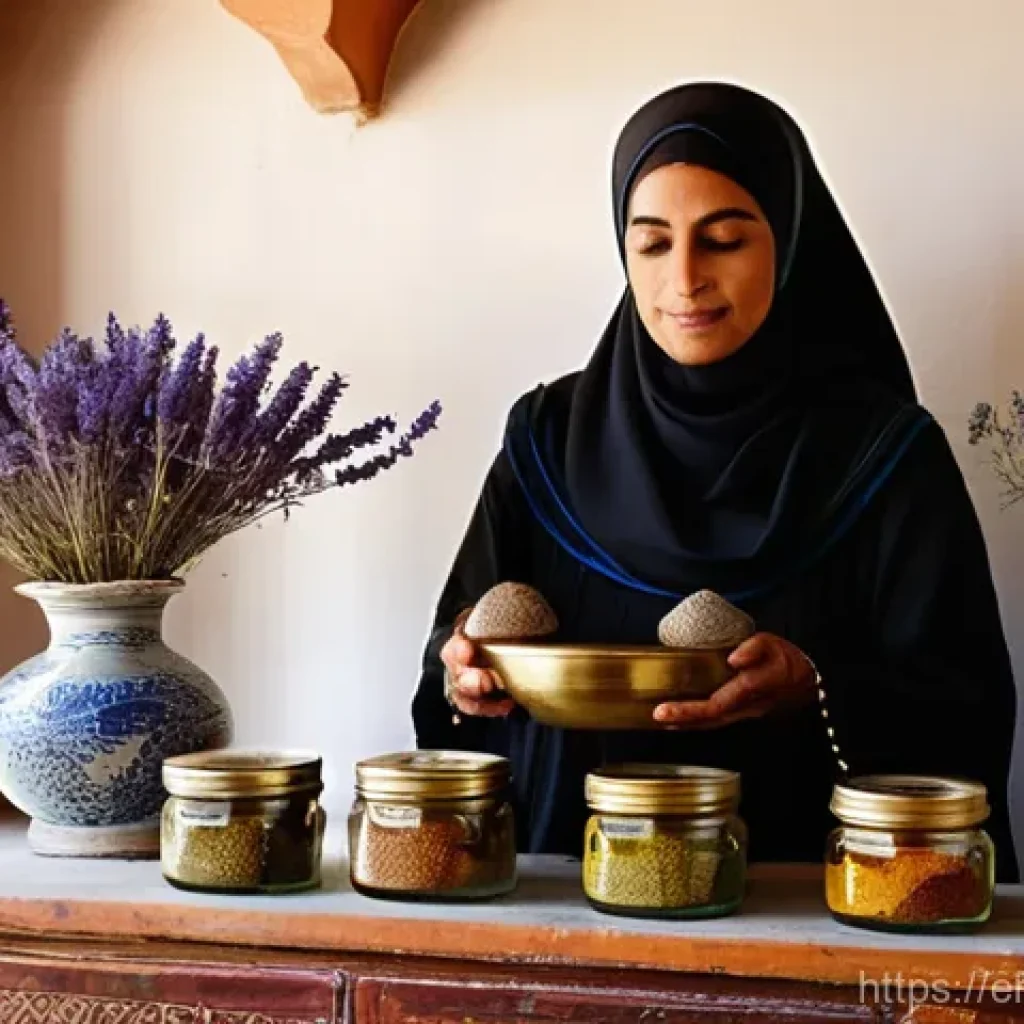
The Arab world, a region rich in history and diverse cultures, has long embraced healing traditions that stretch back centuries. From ancient Pharaonic, Hellenic, and Islamic influences to the wisdom passed down through generations, alternative medicine here isn’t just a trend; it’s a deeply ingrained part of life.
Think about it – long before modern hospitals, people relied on incredible local remedies, herbal concoctions, and spiritual practices for their well-being, and many of these are still incredibly relevant today.
What’s truly fascinating is seeing how these time-honored practices, like the widespread use of herbal remedies, cupping (Hijama), and even spiritual healing through Quranic recitations, are not only surviving but thriving in our modern age.
With rising interest in holistic health and a growing recognition of the limitations of conventional treatments for chronic conditions or mental health issues, many in the Arab world are turning back to these traditional methods.
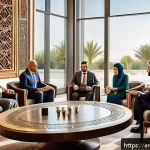
Countries like the UAE and Saudi Arabia are even seeing government initiatives and licensing frameworks emerge, indicating a significant shift towards integrating these therapies into the broader healthcare landscape.
It’s a powerful blend of ancient wisdom meeting contemporary needs, offering new avenues for wellness and challenging our perspectives on what true healing can be.
Ready to explore this captivating world where tradition and innovation intertwine for better health? Let’s dive deeper into the intriguing realm of alternative medicine in the Arab world and uncover its hidden gems together.
How Age-Old Wisdom Still Shapes Wellness Today
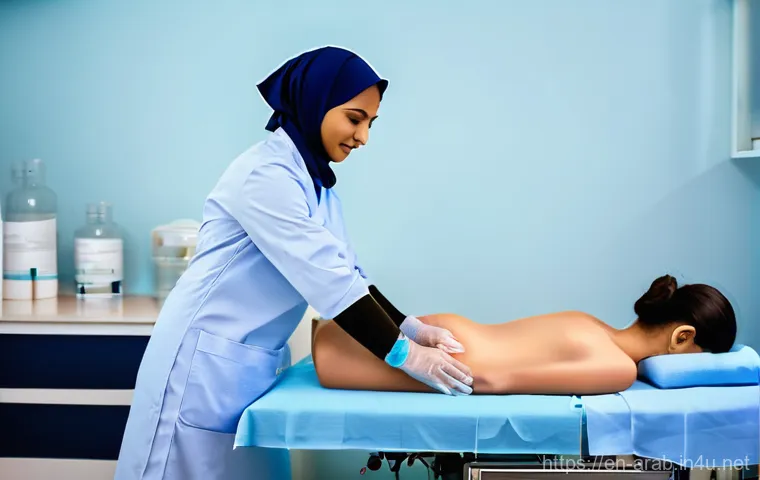
You know, it’s just incredible to think about how much knowledge has been passed down through generations in the Arab world when it comes to staying healthy and feeling good.
I’ve always been fascinated by how these ancient practices aren’t just museum pieces, but living, breathing traditions that people genuinely rely on even now.
It’s not just about treating illness; it’s a whole philosophy about maintaining balance, both physically and spiritually. When you talk to people here, you quickly realize that for many, these methods aren’t “alternative” at all – they’re the tried-and-true first line of defense, a comforting presence in their health journey.
There’s a real sense of connection to history, a respect for the wisdom of ancestors, that you just don’t see everywhere. It’s truly a beautiful thing to witness, and honestly, it makes you question some of the more sterile, disconnected approaches we often see in modern healthcare.
The Deep Roots of Arab Healing
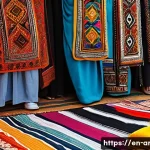
Walking through bustling souqs, you can still find traditional apothecaries brimming with an array of herbs, spices, and remedies, much like they would have centuries ago.
It’s a vivid reminder that this isn’t some new-age fad; this is deeply woven into the fabric of daily life. The influences here are incredibly rich, drawing from ancient Egyptian knowledge, Hellenic medicine, and the golden age of Islamic scholarship.
Think about Avicenna and his “Canon of Medicine” – a text that shaped medical understanding for centuries, even in the West. People often forget that many of the herbal compounds and therapeutic approaches we see today have their lineage traced back to these brilliant minds.
It’s a legacy of profound observation and experimentation, focused on understanding the human body in its entirety, rather than just isolated symptoms.
This holistic view is what truly sets it apart, in my opinion, making it incredibly appealing to those seeking more than just a quick fix.
Why These Traditions Still Thrive
It’s not hard to see why these practices continue to resonate so strongly. In a world that often feels rushed and fragmented, there’s a profound comfort in turning to methods that emphasize connection – to nature, to faith, and to community.
Many folks I’ve spoken with feel that conventional medicine, while vital for acute conditions, sometimes falls short when it comes to chronic issues or the deeper emotional and spiritual aspects of well-being.
That’s where traditional Arab medicine steps in, offering a more personalized, culturally attuned approach. There’s a tangible trust in the remedies and the practitioners, often built on generations of shared experience and success stories.
Plus, let’s be real, the growing global interest in holistic health means these traditions are getting a well-deserved spotlight, showing the world their enduring value.
Unlocking Nature’s Secrets: The Herbal Way
If there’s one thing that consistently blows me away in the Arab world, it’s the sheer knowledge of botanicals and their healing properties. It’s like everyone has a grandmother who’s a walking encyclopedia of herbs!
From simple everyday spices used in cooking to potent concoctions for specific ailments, the reliance on nature’s pharmacy is absolutely fundamental. I’ve personally tried a few herbal remedies recommended by local friends, and while I always advocate for checking with a healthcare professional, there’s an undeniable power in these natural ingredients.
It’s not just about random plants; there’s a sophisticated understanding of how different herbs interact, their heating or cooling properties, and their specific applications for various conditions.
The air in markets often carries the fragrant scent of dried flowers, roots, and leaves, each with a story and a purpose. This connection to the land and its bounty feels incredibly authentic and grounding.
Everyday Elixirs and Powerful Potions
You’d be surprised at how many common kitchen ingredients here double as potent natural medicines. Things like black seed (Nigella Sativa) oil, known for its myriad benefits from boosting immunity to aiding digestion, are staples in many homes.
Then there’s frankincense, not just for incense, but revered for its anti-inflammatory properties and used in various forms. Honey, especially specific local varieties, is considered a powerful healer, often infused with other herbs.
I’ve seen people use mixtures of ginger and turmeric for joint pain, or chamomile and mint for digestive comfort. It’s a beautiful interplay of food and medicine, blurring the lines in a way that feels incredibly intuitive and ancient.
These aren’t just “folk remedies” in a dismissive sense; they’re the result of millennia of empirical observation and shared wisdom.
Sourcing and Safety: What I’ve Learned
When diving into the world of herbal remedies, my biggest takeaway has always been the importance of proper sourcing. Just like with anything, quality matters immensely.
In the Arab world, many families have trusted herbalists or apothecaries they’ve relied on for generations, ensuring the purity and potency of the ingredients.
I’ve learned that understanding the reputation of the seller and the origin of the herbs is key. It’s not about grabbing just any bag of dried leaves; it’s about finding someone who genuinely knows their craft and can guide you.
This emphasis on knowledge and trusted relationships really highlights the community aspect of traditional healing – it’s less about a transaction and more about guidance and care.
The Healing Touch of Cupping: More Than Just a Trend
Okay, let’s talk about cupping, or Hijama as it’s known here. This is one of those practices that might look a little intense to the uninitiated, but let me tell you, it’s incredibly popular and deeply respected for its therapeutic benefits.
I remember my first time seeing the circular marks on someone’s back and being a bit taken aback, but after hearing countless testimonials and learning about its history, my perspective completely shifted.
It’s not just a passing wellness trend; it’s a profoundly ancient practice, specifically mentioned in Islamic tradition, that many believe helps detoxify the body, improve circulation, and relieve pain.
The feeling afterwards, as described by those who experience it, is often one of lightness and rejuvenation, like a deep cleanse from within.
Understanding Hijama: The Process and Benefits
Hijama involves placing cups on the skin to create a vacuum, which draws blood to the surface. There are two main types: dry cupping, where only the suction is applied, and wet cupping, which involves small, superficial incisions before applying the cups to draw out a small amount of stagnant blood.
Many practitioners believe this process removes toxins, reduces inflammation, and stimulates the body’s natural healing mechanisms. I’ve heard stories from people who swear by it for everything from persistent back pain and migraines to even fertility issues.
The principle is all about restoring balance and flow within the body, which, when you think about it, aligns perfectly with the holistic approach of traditional medicine.
It’s a targeted way to address areas of stagnation or discomfort.
Finding a Reputable Practitioner
If you’re ever curious about trying Hijama, and I genuinely encourage exploring it if you’re open to it, finding a reputable and experienced practitioner is absolutely crucial.
This isn’t something you want to DIY or go to just anyone for. In many Arab countries, there are now licensed centers and practitioners who adhere to strict hygiene standards, which is incredibly important for wet cupping.
I’ve learned to look for places that are clean, professional, and where the practitioners are knowledgeable and transparent about the process. It’s about feeling comfortable and safe, knowing you’re in good hands.
The trust built with a skilled practitioner is a huge part of the healing experience itself, adding another layer of human connection to the treatment.
Beyond the Physical: Embracing Spiritual Paths to Health
It’s impossible to talk about alternative medicine in the Arab world without delving into the profound role of spirituality. For many, health isn’t just a physical state; it’s an intricate balance involving mind, body, and soul.
Healing isn’t always about a pill or a procedure; it’s often deeply intertwined with faith and spiritual well-being. This perspective offers an incredible sense of peace and resilience, especially when facing chronic illnesses or emotional challenges.
It’s about understanding that inner harmony can profoundly impact physical health, and vice versa. I find this holistic approach deeply comforting and empowering, suggesting that we have more resources for healing within us than we often realize.
The Power of Quranic Recitation and Du’a
One of the most powerful forms of spiritual healing is through the recitation of the Holy Quran, known as Ruqyah, and making personal supplications (Du’a).
Many believe that the words of the Quran carry immense healing energy and can protect against evil or spiritual ailments. I’ve personally witnessed the profound effect this has on individuals, providing comfort, clarity, and a deep sense of peace.
It’s not about magic; it’s about faith, intention, and connecting with a higher power for strength and solace. When someone is ill or distressed, family and community often gather to recite passages, offering support and collective prayers.
This communal aspect of healing is a beautiful testament to the strong social fabric here.
Mind-Body Connection: A Timeless Concept
While modern science is just now fully appreciating the mind-body connection, it’s been a cornerstone of traditional Arab healing for centuries. The idea that emotional distress, stress, or spiritual imbalance can manifest as physical symptoms is widely accepted.
Practices like meditation, mindfulness, and even certain forms of remembrance (Dhikr) are implicitly or explicitly used to calm the mind and soothe the soul, thereby promoting physical health.
It’s a powerful reminder that our thoughts and emotions aren’t separate from our bodily experience but are intimately connected, influencing our overall vitality and well-being.
This deep understanding empowers individuals to take a more active role in their own healing by fostering inner peace.
Bridging the Gap: Where Ancient Meets Modern Medicine
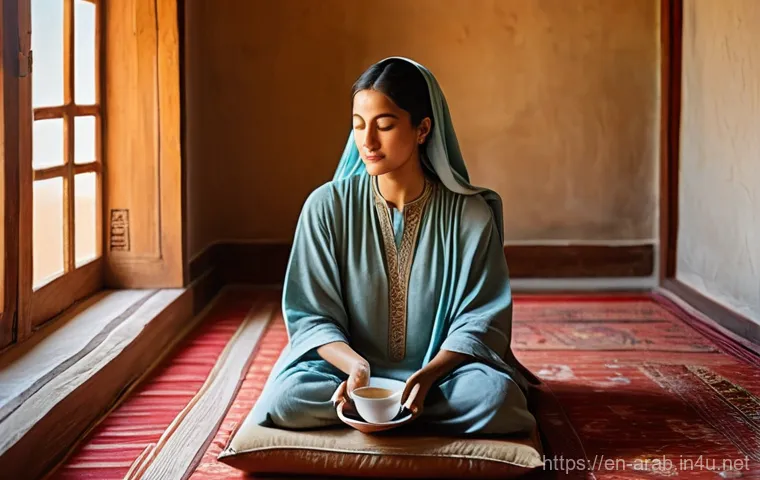
It’s truly fascinating to see how some countries in the Arab world are actively working to integrate traditional healing methods into their mainstream healthcare systems.
It’s a testament to the enduring value of these practices and a recognition that a more holistic approach can truly benefit patients. For a long time, there was a clear divide, but now, there’s a growing understanding that perhaps these two worlds aren’t so incompatible after all.
This integration isn’t just about recognition; it’s about creating a more comprehensive and culturally sensitive healthcare landscape, one that respects heritage while embracing innovation.
I’ve noticed a real shift in dialogue, moving from skepticism to an open-minded exploration of how both can coexist and complement each other.
Government Initiatives and Licensing
In places like the UAE and Saudi Arabia, I’ve seen actual government initiatives and regulatory frameworks emerging for traditional and complementary medicine.
This is huge! It means that practices like Hijama or certain herbal remedies are not just informally accepted but are becoming officially recognized and licensed.
This move towards standardization and oversight is crucial for ensuring patient safety and building trust. It’s about validating these ancient practices with modern scientific rigor where possible, ensuring quality control, and providing clear guidelines for practitioners.
This formal integration makes these traditional options more accessible and credible for a wider audience, which is a big win for holistic health advocates.
Collaborative Care: A Future Vision
Imagine a future where your doctor might actually recommend an herbalist or a cupping therapist as part of your treatment plan, rather than seeing them as mutually exclusive.
This kind of collaborative care, where conventional and traditional practitioners work together, is something I genuinely believe is on the horizon. It allows patients to benefit from the best of both worlds – the diagnostic precision and acute care capabilities of modern medicine combined with the holistic, preventative, and deeply personal aspects of traditional healing.
It’s about creating a truly patient-centered approach, where all available resources are considered to optimize health outcomes. This collaborative spirit feels incredibly promising and progressive to me.
My Own Dive into Traditional Arab Healing
You know, I’m always one to try new things, especially when it comes to wellness. My journey into traditional Arab healing hasn’t been just academic; it’s been incredibly personal and eye-opening.
There’s something profoundly different about experiencing these practices firsthand rather than just reading about them. It’s about the smells, the conversations, the trust you build with practitioners, and the subtle shifts you feel in your own body.
I wouldn’t trade these experiences for anything, as they’ve given me such a richer understanding of not just the medicine, but the culture and the people themselves.
It’s a testament to the idea that sometimes, the oldest paths are the ones that lead to the most profound discoveries about ourselves and our well-being.
Personal Discoveries and Surprising Insights
One of my most memorable experiences was trying a specific herbal blend for occasional digestive discomfort that a local friend suggested. While I was initially a bit skeptical, the gentle effectiveness really surprised me.
It wasn’t a sudden, drastic change, but a subtle, soothing improvement that felt incredibly natural. It made me realize that sometimes, our bodies just need a little nudge from nature to find their balance.
Another insight has been the incredible patience and presence of traditional healers. Their consultations aren’t rushed; they take the time to listen, observe, and understand the individual as a whole, which is a rare and precious thing in today’s fast-paced world.
What I’ve Learned About Trust and Openness
What I’ve truly taken away from my experiences is the importance of an open mind and a willingness to trust. Not just trust in the remedies themselves, but trust in the people who carry this ancient knowledge.
Building that rapport, listening to their advice, and understanding the cultural context enriches the entire healing journey. It’s not about abandoning modern medicine, but about recognizing that there are multiple pathways to wellness, and sometimes, the answers lie in traditions that have stood the test of time.
It’s encouraged me to be more curious, more observant, and more connected to the rhythms of nature and the wisdom of communities.
Smart Ways to Discover Authentic Traditional Remedies
So, you’re intrigued and want to explore traditional Arab healing for yourself? Awesome! But navigating this landscape can feel a bit daunting if you don’t know where to start.
My biggest advice is to approach it with curiosity and respect, doing your homework, and always prioritizing safety. It’s about finding that sweet spot between embracing ancient wisdom and making informed choices in our modern world.
Don’t just jump into anything; take your time, ask questions, and be discerning. Think of it like exploring a new cuisine – you wouldn’t just eat anything, right?
You’d seek out authentic, reputable places.
Seeking Out Knowledgeable Local Guides
Honestly, the best way I’ve found to dive into authentic traditional remedies is through local connections. If you have friends or acquaintances in the Arab world, ask them!
They’ll often have recommendations for trusted herbalists, Hijama practitioners, or community healers that have been serving their families for generations.
These personal referrals are gold. Beyond that, look for established traditional apothecaries or health centers that specialize in these practices. Many are now online, offering information and services, but always verify their credentials and reviews.
The key is to find someone who not only has the knowledge but also operates with integrity and cleanliness.
Navigating Information and Making Informed Choices
With so much information out there, it’s easy to get overwhelmed. I always recommend cross-referencing information, just like you would with any health decision.
While personal anecdotes are powerful, it’s also helpful to see if there’s any broader consensus or historical documentation supporting a particular remedy.
And never, ever hesitate to discuss your traditional health interests with your conventional doctor, especially if you have underlying health conditions or are taking other medications.
A good doctor will be open to understanding your choices. It’s about making empowered decisions that integrate all aspects of your health journey safely and effectively.
| Traditional Practice | Brief Description | Commonly Used For | Key Principle |
|---|---|---|---|
| Herbal Medicine (Tibb an-Nabawi) | Utilizes specific plants, roots, seeds, and spices for various health benefits. | Digestive issues, inflammation, immunity boost, general well-being. | Balancing body humors, natural healing, holistic approach. |
| Hijama (Cupping Therapy) | Applies cups to the skin to create suction, sometimes with superficial incisions. | Pain relief (back, neck, headaches), detoxification, improving circulation, energy flow. | Removing stagnant blood/toxins, stimulating blood flow, restoring balance. |
| Ruqyah (Spiritual Healing) | Recitation of Quranic verses and supplications (Du’a) for spiritual and physical ailments. | Anxiety, depression, spiritual protection, aiding recovery from illness. | Seeking divine healing, protection, fostering inner peace and faith. |
| Dietary Wisdom | Emphasis on specific foods (e.g., honey, black seed, dates) and eating habits. | Overall health maintenance, specific ailments, energy levels. | Nourishing the body, preventative care, aligning with natural rhythms. |
글을 마치며
And there you have it, folks! My deep dive into the fascinating world of traditional Arab healing. It’s been an incredible journey, not just learning about these age-old practices, but truly feeling their profound impact. What I’ve really taken away is that healing isn’t a one-size-fits-all solution; it’s a deeply personal path, often enriched by the wisdom of generations and a holistic view of our well-being. Keeping an open mind has allowed me to appreciate how seamlessly ancient methods can complement our modern lives, offering comfort, balance, and a connection to something much larger than ourselves.
알아두면 쓸모 있는 정보
1. Always prioritize research and reputable sources when exploring traditional Arab healing practices. Seek out licensed practitioners or well-established apothecaries that have a strong track record and positive community feedback to ensure safety and authenticity.
2. Maintain open communication with your conventional healthcare provider. Inform them about any traditional remedies or practices you are considering, especially if you have existing health conditions or are taking medications, to ensure there are no contraindications or potential interactions.
3. Start with gentler practices or commonly accepted remedies, like specific herbal teas or dietary adjustments, before exploring more intensive therapies like Hijama. Observe how your body responds and adjust your approach accordingly, always listening to your own intuition.
4. Respect the cultural context and spiritual significance of these practices. Understanding the ‘why’ behind a remedy, its historical roots, and its role in the community can deepen your appreciation and enhance the healing experience beyond just the physical aspect.
5. Pay close attention to hygiene and sterilization, particularly for practices involving physical contact or blood, such as cupping therapy. Only engage with practitioners who demonstrate impeccable cleanliness and use sterile, disposable equipment to safeguard your health.
중요 사항 정리
Embarking on a journey into traditional Arab healing is truly a transformative experience, one that reconnects us to ancient wisdom and holistic well-being. What stands out most is the profound emphasis on a balanced existence, where physical, mental, and spiritual health are inextricably linked. We’ve seen how practices like herbal medicine, cupping, and spiritual solace aren’t just historical relics but vibrant, living traditions that continue to offer powerful solutions for modern ailments. The key takeaway, for me, is the importance of integration – recognizing that these time-tested methods aren’t in opposition to modern medicine, but can often serve as incredible complements, enriching our overall health landscape. Trusting your instincts, seeking knowledgeable guides, and approaching with a spirit of curiosity and respect will undoubtedly lead to personal discoveries that resonate deeply. Remember, true wellness is about finding harmony across all facets of your life, and these ancient paths offer a beautiful blueprint for achieving just that.
Frequently Asked Questions (FAQ) 📖
Q: What are some of the most popular and effective traditional healing practices I might encounter in the
A: rab world today? A1: Oh, where do I even begin? When I first started exploring, I was amazed by the sheer diversity!
One of the absolute mainstays you’ll definitely hear about is Hijama, or wet cupping therapy. It’s an ancient practice, even mentioned in Prophetic medicine, where small cups are applied to the skin to create suction, and then tiny incisions are made to draw out a small amount of blood.
Many people I’ve spoken with swear by its ability to relieve pain, boost energy, and even help with various chronic conditions. I’ve heard countless personal stories of folks feeling a profound sense of lightness and relief after a session.
Then there’s the incredible world of herbal medicine. The Arab world is just brimming with potent plants and spices that have been used for centuries.
Think black seed (Nigella sativa), which Prophet Muhammad himself reportedly called “a cure for every disease except death” – it’s often used for boosting immunity and aiding digestion.
You’ll also find remedies using things like chamomile for relaxation, sage for colds and stomach aches, and even aniseed for colic. It’s not just about drinking a tea; it’s about understanding the specific properties of each plant, often passed down through generations.
I’ve personally seen how a simple herbal concoction, prescribed by a knowledgeable local healer, can make a real difference, especially for common ailments or when you’re looking for a more natural approach.
And we can’t forget spiritual healing. In many parts of the Arab world, faith plays a significant role in wellness. This often involves reciting verses from the Holy Quran, special prayers, or supplications for healing.
It’s a deeply personal and powerful practice for many, focusing on mind, body, and soul. I’ve noticed that for a lot of people, these spiritual elements provide immense comfort and a sense of peace that truly complements physical treatments.
Q: With modern medicine so advanced, why are more people in the
A: rab world turning back to traditional and alternative treatments? A2: That’s a fantastic question, and it really gets to the heart of what’s happening globally, not just here.
While modern medicine is truly groundbreaking for acute illnesses and emergencies, I’ve observed a growing realization that it sometimes falls short when it comes to chronic conditions, mental health, or simply maintaining overall well-being in a holistic way.
Many people are searching for something more, something that addresses the root causes rather than just the symptoms. What I’ve consistently heard from individuals and even local experts is that there’s a deep cultural connection to these traditional practices.
They’re not just “alternative”; they’re often seen as part of their heritage and identity. There’s a strong belief in the efficacy of these age-old methods, reinforced by countless family stories and community experiences.
Plus, let’s be real, the rising costs of conventional medical care and sometimes limited access to specialized treatments also play a big role. Traditional healing can often be more accessible and affordable, making it a viable and attractive option for many.
It’s like discovering a treasure trove of wisdom that was always there, waiting to be rediscovered. People are realizing that integrating these methods can offer a more balanced and comprehensive path to health.
Q: Is alternative medicine in the
A: rab world regulated, and how can I find trusted practitioners if I’m interested in exploring it? A3: This is super important, and I’m glad you asked! The good news is that the landscape is definitely evolving, and many countries in the Arab world are stepping up to regulate and even integrate these practices into their healthcare systems.
It’s a significant shift, and I’ve seen it firsthand. For instance, the UAE issues professional licenses for Traditional, Complementary, and Alternative Medicine (TCAM) in fields like Ayurveda, Chiropractic, Homeopathy, and even Traditional Chinese Medicine.
The Dubai Health Authority (DHA) actively recognizes a wide range of these practices, aiming to integrate them into mainstream healthcare. Similarly, Saudi Arabia has made huge strides, with the National Center for Complementary and Alternative Medicine (NCCAM) under the Ministry of Health.
They have a rigorous licensing system for practitioners in areas such as acupuncture, cupping therapy, naturopathy, and osteopathy. You literally cannot practice without passing required exams and being registered, which is a fantastic step towards ensuring safety and quality.
So, how do you find trusted practitioners? My best advice, based on my own experiences and what I tell my friends, is always to look for licensed professionals.
In places like the UAE and Saudi Arabia, their government health authorities are the first place to check for lists of approved and licensed practitioners.
Don’t be shy about asking for credentials and certifications. Word-of-mouth within trusted communities can also be a powerful tool, but always cross-reference with official licensing bodies.
It’s all about doing your homework to make sure you’re getting safe, effective, and ethical care. After all, your well-being is paramount!