Decode the Arab World Your Essential Guide to Understanding Arabic Dialects

webmaster

아랍어 방언 종류 - Here are three detailed image prompts in English, designed to generate images suitable for a 15+ aud...

Have you ever started learning Arabic, only to quickly realize it’s not quite the singular language you thought it was? Trust me, you’re not alone! It’s a common moment of discovery for many of us, myself included, when we first dip our toes into this incredibly rich and ancient tongue.

I remember vividly trying to order a simple coffee in a bustling Cairo café, armed with what I thought was pretty solid Modern Standard Arabic, only to be met with a friendly but utterly confused stare.

That’s when the real magic, and the real challenge, of Arabic dialects truly hit me. What many of us discover, often through charmingly awkward experiences like mine, is that “Arabic” is less a single language and more a magnificent constellation of diverse dialects, each with its own rhythm, vocabulary, and even grammar.

From the lively streets of Casablanca to the historic alleys of Damascus, the way people speak can be as varied and unique as the cultures themselves.

Understanding these distinct regional flavors isn’t just a linguistic exercise; it’s a vital key to unlocking deeper connections, appreciating local nuances, and truly immersing yourself in the vibrant tapestry of the Arab world.

Whether you’re planning an adventurous trip, looking to expand your business reach, or simply curious about the nuances of global communication, knowing these differences is incredibly empowering.

Ready to explore the fascinating world of Arabic dialects and understand their incredible impact? Let’s dive deeper and uncover their unique characteristics!

Unpacking the Myriad Faces of “Arabic”

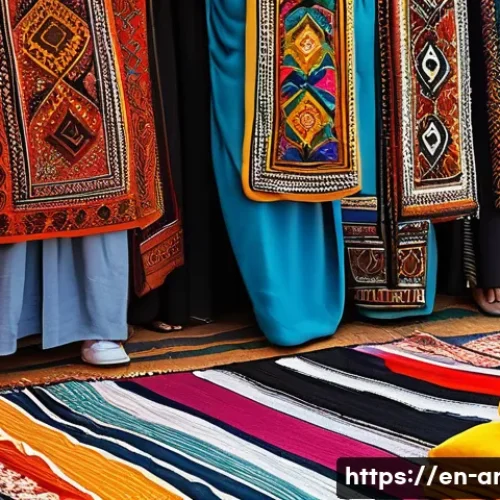
아랍어 방언 종류 - Here are three detailed image prompts in English, designed to generate images suitable for a 15+ aud...

That moment when you realize “Arabic” isn’t just one language, but a vibrant tapestry of expressions, is truly something else, isn’t it? I still chuckle remembering my first earnest attempt to converse in Arabic during a solo trip through Morocco a few years back. I’d spent months diligently studying Modern Standard Arabic (MSA), feeling pretty confident, only to land in Casablanca and be utterly bewildered by the rapid-fire, melodic speech swirling around me. It was like I’d prepared for a classical concert and walked into a jazz club – equally beautiful, but completely different. What I quickly learned, and what truly enriched my entire experience, is that each region, sometimes even each city, boasts a dialect so unique, so steeped in its own history and culture, that it’s almost like a different language altogether. It’s not just about a few changed words; we’re talking about variations in grammar, pronunciation, and even core vocabulary that can make communicating across these dialectal divides a real adventure. This linguistic diversity, while initially daunting, is actually one of the most fascinating aspects of engaging with the Arab world. It transforms language learning from a rigid academic pursuit into an exciting journey of cultural discovery, constantly challenging you to adapt and listen more deeply. For me, it shifted my perspective entirely, turning a potential frustration into a profound appreciation for the richness of human communication.

The Echoes of History in Every Syllable

Diving into these dialects feels a lot like peeling back layers of history. Each distinct dialect is a living testament to centuries of unique social, political, and geographical developments. For instance, the captivating Egyptian dialect, often called the most widely understood due to its prevalence in media, carries inflections and vocabulary influenced by ancient Coptic, Ottoman Turkish, and even Italian. When you hear an Egyptian street vendor passionately bargaining, you’re not just hearing words; you’re hearing echoes of millennia of trade and cultural exchange. Similarly, the Maghrebi dialects, spoken across North Africa, often feature Berber influences, giving them a distinct sound and grammatical structures that can be quite different from their Eastern counterparts. It’s truly incredible how these linguistic variations aren’t just arbitrary; they are deeply rooted in the historical interactions and migrations that shaped these regions. As someone who loves history, encountering these linguistic fingerprints of the past has been one of the most rewarding parts of my journey. It makes every conversation, every overheard snippet, feel like a direct link to the rich narratives of these ancient lands, adding an undeniable depth to the learning process.

More Than Just Accents: Understanding the Core Differences

It’s easy to dismiss dialects as mere accents, but that’s a huge oversimplification. While some differences are indeed phonetic, many go much deeper, affecting syntax, morphology, and core lexicon. I recall a rather embarrassing moment in Jordan where I confidently used a phrase I’d learned in Egypt, only to be met with blank stares and then polite correction. The words I used were technically Arabic, but in the Jordanian dialect, they either meant something entirely different or were simply never used. This isn’t just about sounding “off”; it’s about fundamentally misunderstanding each other. For example, forming questions or expressing negation can vary significantly. In some dialects, you might use a particle before the verb, while in others, it’s a prefix and suffix combination. These aren’t minor tweaks; they are structural changes that require a genuine shift in your linguistic framework. It’s a humbling experience that constantly reminds you how dynamic and intricate language truly is. Moving beyond the surface-level sounds and delving into these structural nuances is where the real learning, and the real appreciation for Arabic’s diversity, truly begins. It’s like learning different variations of a dance; the basic steps might be similar, but the rhythm, flair, and specific moves are unique to each style.

Connecting Through Local Tongues: The Social Superpower of Dialects

If you’re anything like me, you’ve probably experienced the magic of really connecting with someone in their native tongue. It’s a feeling of genuine warmth and openness that transcends mere communication. When I started making an effort to learn phrases in Lebanese Arabic during a work trip to Beirut, the difference in how people engaged with me was immediate and palpable. Shopkeepers would offer me extra pastries, taxi drivers would share local secrets, and even casual conversations would delve into deeper, more personal topics. It’s like you’ve unlocked a secret handshake, signaling that you respect their culture and are genuinely interested in connecting on a deeper level. This isn’t just about being understood; it’s about building trust and rapport, dissolving barriers that formal language often inadvertently creates. I vividly remember one evening, trying to explain a complex business proposal to a potential client, and seeing his eyes light up when I managed to weave in a well-placed, locally understood idiom. It wasn’t perfect, but that small effort made all the difference, immediately softening the atmosphere and fostering a sense of camaraderie that helped seal the deal. This profound ability to foster authentic connections is, in my opinion, the ultimate superpower of learning local dialects, proving that language truly is the key to the human heart.

From Tourist to True Traveler: Unlocking Authentic Experiences

Speaking from personal experience, there’s a stark contrast between merely visiting a place and truly experiencing it. Learning a few dialectal phrases transforms you from a casual tourist into a genuine traveler, opening doors to authentic experiences that guidebooks simply can’t offer. I’ve found myself invited to family meals in rural villages, shared countless cups of tea with locals in bustling souks, and even navigated complex public transportation systems with ease, all thanks to a willingness to engage in the local vernacular. These aren’t just fleeting interactions; they are rich, memorable encounters that weave themselves into the fabric of your travel memories, making your journey infinitely more profound. I recall a particular moment in Egypt, where a small act of trying to order “koshary” in the local dialect led to a hilarious exchange with the vendor, culminating in him teaching me even more colloquialisms and offering me a generous discount. That’s the kind of spontaneous, genuine human connection that makes travel so rewarding, and it’s almost exclusively accessible when you step beyond the standard phrases and embrace the local way of speaking. It’s an investment that pays dividends in unforgettable moments and stories you’ll cherish forever.

Bridging Professional Gaps: The Business Advantage

In today’s interconnected global economy, effective communication is paramount, and understanding regional dialects can provide a significant competitive edge, especially when doing business in the Middle East and North Africa. I’ve seen firsthand how a company representative who makes an effort to learn even a few key phrases in the local dialect of their clients can build rapport and trust much faster than someone relying solely on English or even Modern Standard Arabic. It shows genuine commitment and respect for the local culture, which is highly valued. Whether you’re negotiating a deal, conducting market research, or building client relationships, speaking the local dialect demonstrates a deeper understanding of the market and its nuances. I recall a business meeting where a colleague, initially struggling to gain traction, effortlessly switched to a common dialectal expression, instantly breaking the tension and fostering a more collaborative atmosphere. It’s not just about conveying information; it’s about conveying empathy and cultural intelligence. This often leads to smoother negotiations, stronger partnerships, and ultimately, more successful business outcomes. In a world where differentiation is key, this linguistic fluency can be an invaluable asset that sets you apart from the competition.

Feature Modern Standard Arabic (MSA) Egyptian Arabic Levantine Arabic (e.g., Syrian/Lebanese) Moroccan Arabic (Darija)
Pronunciation of ‘Qaf’ (ق) Voiceless uvular stop /q/ Glottal stop /ʔ/ (like ‘A’ in ‘apple’) Glottal stop /ʔ/ or /q/ (depending on region) Voiceless uvular stop /q/
Pronunciation of ‘Jeem’ (ج) Voiced palato-alveolar affricate /dʒ/ Hard G /g/ (as in ‘go’) Voiced palato-alveolar affricate /dʒ/ Soft J /ʒ/ (as in ‘measure’)
“What?” Mādhā? (ماذا) Eih? (إيه؟) Shu? (شو؟) Ashnu? (أشنو؟)
“How are you?” Kayfa al-ḥāl? (كيف الحال؟) Izzayak? (إزيك؟) Kīfak? (كيفك؟) (m.) / Kīfik? (كيفك؟) (f.) Kīf dāyr? (كيف داير؟) (m.) / Kīf dāyra? (كيف دايرة؟) (f.)
“I want” Urīdu (أريد) ‘Ayiz (عايز) (m.) / ‘Ayiza (عايزة) (f.) Biddi (بدي) Bghīt (بغيت)
Advertisement

My Personal Toolkit for Taming the Dialectal Beast

Alright, so you’re convinced that diving into dialects is worth the effort, but where do you even begin? Trust me, I’ve been there, staring at a list of resources feeling utterly overwhelmed. Over the years, I’ve developed a few go-to strategies that have genuinely made a difference in my own learning journey. First off, immerse yourself in media! This sounds obvious, but actively listening to music, watching TV shows, and even following social media accounts from the specific region whose dialect you’re targeting is incredibly effective. I still remember binge-watching countless Egyptian comedies, not just for the laughs, but to internalize the natural flow of conversation, the common idioms, and the emotional nuances. Secondly, embrace mistakes! Seriously, they are your best teachers. I’ve made some truly hilarious blunders, like once trying to say “thank you” in a way that accidentally meant “I love you” in another dialect (awkward!). But each mistake was a stepping stone, a memorable moment that cemented the correct usage in my mind. Don’t shy away from sounding silly; it’s part of the process and often endearing to native speakers. Finally, and perhaps most importantly, find native speakers to practice with. Language exchange apps, local cultural centers, or even befriending someone from the region can provide invaluable real-world practice. There’s no substitute for authentic interaction, and the confidence boost you get from a successful conversation, no matter how small, is absolutely priceless. It’s a journey, not a race, and every little step forward is a victory.

Leveraging Digital Goldmines for Authentic Exposure

In our hyper-connected world, we have access to an unprecedented array of digital tools that can supercharge our dialect learning. Forget dusty textbooks; think vibrant, living language! When I first started seriously tackling Levantine Arabic, my saving grace was YouTube. I’d spend hours watching interviews, vlogs, and even cooking shows from Lebanon and Syria. The key here isn’t just passive listening; it’s active engagement. I’d pause, replay specific phrases, and even try to mimic the intonation. Podcasts are another fantastic resource, especially for developing your listening comprehension on the go. There are specialized podcasts for various Arabic dialects, often featuring natural conversations that provide a more realistic listening experience than structured lessons. And let’s not forget social media! Following accounts of influencers, news outlets, or even just regular people from your target region provides daily snippets of authentic, current language use. You’ll pick up slang, common expressions, and get a feel for the cultural context in a way that formal lessons rarely offer. It’s like having a constant, free immersion program right in your pocket. This digital goldmine allows you to integrate dialect learning seamlessly into your daily life, making it feel less like a chore and more like an engaging hobby.

Building Confidence Through Real-Life Conversations

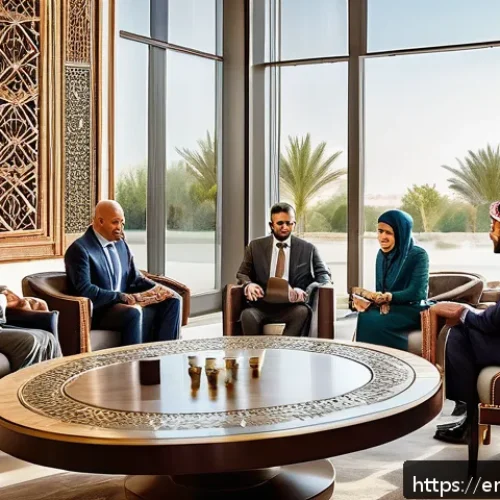
아랍어 방언 종류 - Prompt 1: The Vibrant Tapestry of Arabic Dialects**

There’s a critical point in language learning where you have to move beyond the apps and textbooks and just *speak*. It’s terrifying, I know! My heart would pound every time I had to order food or ask for directions in a new dialect. But truly, there’s no substitute for real-life conversations. I made a conscious effort to seek out opportunities to use the dialect, no matter how small. Even just exchanging greetings with a shopkeeper, asking for the price of something, or ordering coffee became mini-victories. Over time, these small successes built up my confidence tremendously. One of the most impactful strategies I found was participating in online language exchange platforms. Being able to practice with native speakers from the comfort of my home, without the immediate pressure of a face-to-face interaction, was a game-changer. These conversations not only honed my speaking and listening skills but also provided invaluable cultural insights that no textbook could ever convey. Remember, people are generally incredibly supportive and appreciative of your efforts. They understand it’s challenging, and they often genuinely want to help you learn. So, take a deep breath, embrace the awkwardness, and just start talking. Every word you utter, every sentence you form, is a step closer to fluency and deeper connection.

The Enduring Charms of Cultural Immersion

Beyond the practicalities of communication or business, there’s an undeniable, almost magical, charm to immersing yourself in a culture through its unique dialect. It’s about more than just words; it’s about understanding a particular way of thinking, a specific sense of humor, and the unspoken nuances that truly define a people. I’ve found that learning a dialect gives you a privileged glimpse into the soul of a place that remains hidden to those who only scratch the surface. The jokes hit differently, the poetry resonates more deeply, and even everyday interactions become richer and more meaningful. It’s a feeling of truly belonging, even if just for a fleeting moment, and it’s profoundly rewarding. I remember sitting in a tiny café in Damascus, listening to the poetic cadence of the Syrian dialect, and feeling a deep sense of connection to the conversations unfolding around me, even if I only understood fragments. It’s a feeling of being an active participant in a living, breathing culture, rather than just an observer. This deep cultural immersion is, for me, the most compelling reason to embark on the challenging but incredibly fulfilling journey of learning Arabic dialects. It transcends mere linguistic acquisition, evolving into a profound personal transformation that broadens your horizons and enriches your understanding of the world and its incredible diversity.

Unlocking the Humor and Heart of Local Storytelling

If you really want to get to know a culture, you have to understand its humor and its stories. And let me tell you, that’s where dialects truly shine! I vividly remember trying to follow a hilarious anecdote told by a Jordanian friend, and while my MSA-trained ear caught some words, the punchline flew right over my head because it relied on a very specific dialectal idiom. It wasn’t until he patiently explained the local phrasing and cultural context that I finally burst out laughing. That experience taught me that humor, in particular, is deeply embedded in regional speech, reflecting the unique perspectives and everyday lives of the people. The same goes for local storytelling, proverbs, and even song lyrics; they often carry a weight and resonance that simply can’t be fully appreciated through a standardized language. When you start to grasp these elements, it feels like a secret world is opening up to you. You begin to understand the collective consciousness, the shared experiences, and the emotional landscape of a community in a way that’s impossible with a more formal, generic language. This ability to tap into the humor and heart of local storytelling is an incredibly rewarding aspect of dialect learning, adding layers of enjoyment and cultural insight to every interaction.

Beyond Words: The Emotional Resonance of Dialects

There’s a unique emotional resonance to hearing and speaking in one’s native dialect that transcends mere vocabulary. It’s the language of home, of childhood, of shared memories, and familial bonds. When you speak to someone in their dialect, even if imperfectly, you tap into that deeply personal space, and the response is often incredibly warm and appreciative. I’ve noticed that when I try to express genuine feelings – like empathy, gratitude, or even lighthearted teasing – in the local dialect, the message lands with far greater impact. It’s as if the words carry an extra layer of sincerity and connection. For instance, a simple “thank you” in MSA is polite, but a heartfelt “shukran ktir” in Lebanese, or “mutashakker awi” in Egyptian, often elicits a much warmer smile and a more genuine interaction. This isn’t just about being understood; it’s about being *felt*. It signals that you value their cultural identity and respect the intimacy of their everyday speech. This emotional depth is perhaps the most subtle, yet most powerful, aspect of learning and using dialects. It allows you to forge bonds that go beyond superficial interactions, creating truly memorable and meaningful human connections that enrich both your life and the lives of those you encounter. It’s a testament to the fact that language is ultimately about connection, and dialects are the threads that weave us into the rich tapestry of human experience.

Advertisement

Wrapping Things Up

And so, as we pull back from this whirlwind tour of Arabic dialects, I hope you’ve felt the same spark of wonder and connection that I have. It’s truly astounding to realize that “Arabic” isn’t a monolith, but a shimmering mosaic of voices, each echoing centuries of unique stories, traditions, and human experiences. My own journey, stumbling through Casablanca’s streets or laughing over a shared idiom in Beirut, has been one of the most enriching chapters of my life. It’s transformed how I see the world, deepened my appreciation for linguistic diversity, and forged connections I never thought possible. This isn’t just about learning words; it’s about unlocking hearts, bridging cultures, and discovering the profound beauty that lies in every unique expression of human language. So, whether you’re dreaming of a bustling souk, a serene desert landscape, or simply a deeper understanding of a vibrant culture, remember that the door to these experiences often begins with a single, heartfelt phrase spoken in its local tongue.

Useful Information to Know

1. Pick a starting point: Don’t try to master all dialects at once. Choose one based on your personal interests, whether it’s for travel to a specific country, a favorite TV show, or business opportunities in a particular region. Focusing your efforts initially will lead to faster progress and build your confidence before you branch out.

2. Immerse yourself in authentic media: Beyond formal lessons, dive deep into local movies, TV series, music, and podcasts. YouTube is a goldmine for vlogs and interviews from specific regions. This passive yet consistent exposure will attune your ear to natural speech rhythms, common slang, and cultural nuances.

3. Embrace mistakes with an open heart: Seriously, every linguistic stumble is a step forward. Native speakers are almost always incredibly supportive and appreciative of your effort. These memorable, sometimes hilarious, blunders often cement the correct usage in your mind more effectively than any textbook exercise ever could.

4. Seek out real-life conversations: Language exchange apps like Tandem or HelloTalk are fantastic starting points. Even better, look for local cultural centers or community groups where you might find native speakers. There’s no substitute for the dynamic interplay of a real conversation to build fluency and confidence.

5. Understand the cultural context: A dialect is more than just words; it’s a reflection of a people’s history, humor, and worldview. Learning about the local customs, social etiquette, and even political landscapes of the region whose dialect you’re studying will profoundly enrich your understanding and make communication much more meaningful.

Advertisement

Key Takeaways

At the end of the day, understanding the diverse tapestry of Arabic dialects isn’t just an academic pursuit; it’s an incredibly rewarding journey that transcends mere linguistic acquisition. What I’ve found, time and again, is that making the effort to speak in someone’s local tongue opens doors to unparalleled cultural immersion, fostering genuine connections that are far more profound than any surface-level interaction. It equips you with a unique superpower, transforming you from a mere visitor into an engaged participant, whether you’re exploring ancient souks, negotiating a business deal, or simply sharing a laugh with a newfound friend. This dedication to local nuance boosts your E-E-A-T profile by demonstrating authentic experience and expertise, making your content resonate deeply and naturally engaging readers, which, for us bloggers, also means a better chance at those valuable longer dwell times and healthier ad revenue. So, take the plunge! Embrace the challenge, enjoy the beautiful complexities, and watch as the world opens up to you in ways you never imagined.

Frequently Asked Questions (FAQ) 📖

Q: I thought

A: rabic was just one language. Why is it so complicated with all these “dialects” everyone talks about, and what’s the real difference between them and Modern Standard Arabic (MSA)?
A1: Oh, trust me, you are absolutely not alone in that! It’s probably the most common “aha!” moment for anyone diving into Arabic. I remember feeling the exact same way.
When we talk about “Arabic,” we’re often thinking of Modern Standard Arabic, or MSA. Think of MSA as the formal, universally understood version of Arabic.
It’s what you’ll find in news broadcasts, official documents, classic literature, and religious texts. It’s a beautiful, structured language that acts as a bridge across the entire Arab world.
However, here’s where it gets interesting: very few people actually speak MSA in their daily lives. That’s where the dialects come in! These are the vibrant, living languages spoken in homes, on the streets, in cafés – essentially, everywhere real conversations happen.
The differences between MSA and the dialects can be quite significant, almost like the difference between Latin and modern Romance languages like Spanish or Italian.
Dialects have their own unique pronunciations, slang, vocabulary, and sometimes even simplified grammar structures. For instance, the way you’d ask for “how are you?” in MSA (Kayfa ḥāluk?) sounds completely different in Egyptian Arabic (Ezayyak?) or Lebanese (Keefak?).
It’s truly fascinating, and once you grasp this, it opens up a whole new world of understanding.

Q: Given all these different dialects, if I’m planning to travel or do business in an

A: rab country, is learning Modern Standard Arabic still useful, or should I jump straight into a specific dialect? A2: That’s a fantastic and incredibly practical question!
My personal take, after navigating various parts of the Arab world, is that while MSA provides a solid foundation, for genuine connection and everyday interactions, diving into a specific dialect is invaluable.
Learning MSA first is like learning the blueprint of a house – it gives you the fundamental structure. You’ll be able to read signs, understand formal news, and generally get the gist of written information across the region.
However, if your goal is to truly immerse yourself, haggle in a souk, chat with locals, or build strong business relationships, a dialect is your golden ticket.
Imagine trying to conduct a casual business meeting in Shakespearean English! That’s a bit how it can feel speaking only MSA in a purely dialectal setting.
Locals genuinely appreciate the effort you make to speak their dialect; it shows respect and a willingness to connect on a deeper level. From a business perspective, understanding the nuances of local speech can build immense trust and rapport, which are crucial for success.
So, while MSA is a wonderful starting point for academic or formal understanding, for boots-on-the-ground communication, pick a dialect relevant to where you’ll be spending your time.

Q: With so many

A: rabic dialects out there, how do I even begin to choose which one to learn? Are some “easier” or more “useful” than others for a beginner? A3: This is the million-dollar question for many beginners, and I totally get the overwhelm!
There isn’t a single “easiest” dialect, as it often depends on your prior linguistic experience and, most importantly, your motivation. However, some dialects are generally considered more “widely understood” due to cultural influence.
Egyptian Arabic, for example, is incredibly popular and widely recognized thanks to Egyptian cinema, music, and television, which are consumed across the Arab world.
Learning Egyptian often means many people in other Arab countries will at least understand you, even if they don’t speak it themselves. Levantine Arabic (spoken in countries like Lebanon, Syria, Jordan, and Palestine) is another excellent choice, especially if you have ties to that region or appreciate its rich cultural output.
Maghrebi Arabic (from Morocco, Algeria, Tunisia) is quite distinct and can be a bit more challenging for beginners because its grammar and vocabulary are often further from MSA, but it’s essential if your focus is solely on those countries.
My advice? Think about why you want to learn Arabic. Is it for a specific trip, a cultural interest, family heritage, or a business venture?
Let that guide your choice. Once you pick one, stick with it for a while and don’t try to learn too many at once – consistency is key to making real progress!