Unlock Global Influence: Discover the International Organizations Where Arabic Is Essential

webmaster

아랍어가 사용되는 국제 기구 - **Prompt 1: Global Diplomacy and Understanding**
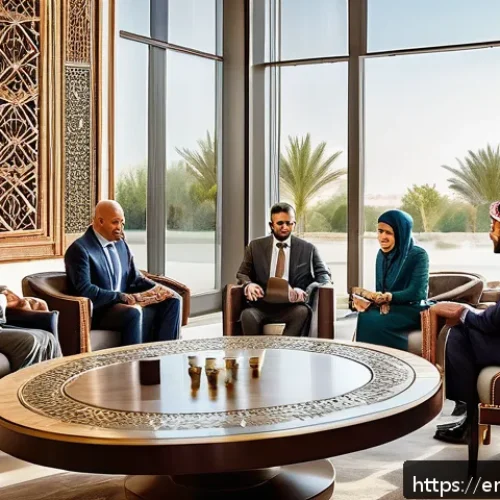
    "A wide-angle shot of a modern, bright internat...

Have you ever paused to consider how many vital conversations and crucial decisions happen daily in a language as ancient and profound as Arabic, across a myriad of international stages?

I’ve personally been diving deep into the incredible work carried out by international organizations where Arabic plays a central role, and let me tell you, it’s a world far more dynamic and impactful than many of us imagine.

These institutions are at the forefront of tackling some of the most complex global challenges, from fostering regional stability and driving economic growth to advocating for human rights and preserving a rich cultural heritage.

Their influence isn’t confined to a single region; it resonates globally, shaping policies and driving initiatives that affect us all. Understanding their operations truly offers a fresh lens through which to view international relations and the interconnectedness of our modern world.

It’s a testament to the power of collaboration and diplomacy that often goes unnoticed. There’s a compelling story behind each of these organizations, and I can’t wait to share what I’ve learned.

Let’s find out exactly how they’re making a difference.

The Art of Global Communication: Where Arabic Unites Nations

아랍어가 사용되는 국제 기구 - **Prompt 1: Global Diplomacy and Understanding**
    "A wide-angle shot of a modern, bright internat...

Stepping into the world of international diplomacy and cooperation, I’ve found myself increasingly fascinated by the profound role Arabic plays. It’s not just a language; it’s a vital artery through which critical conversations flow, shaping policies and fostering understanding on a global scale. Being one of the six official languages of the United Nations, Arabic ensures that a significant portion of the world’s population can engage directly in international discourse. This isn’t a mere formality; it’s a testament to the cultural, political, and economic significance of the Arabic-speaking world. The ability to communicate effectively in Arabic bridges gaps, allowing for nuances to be understood and diverse perspectives to be truly heard, which is absolutely essential in navigating today’s complex geopolitical landscape. I personally feel that overlooking its importance would mean missing a huge piece of the puzzle in global relations.

Arabic as a Pillar of Multilateralism

When you think about the sheer number of countries where Arabic is an official language – more than two dozen, actually – its inclusion in major global bodies like the UN makes perfect sense. What truly impresses me is how this inclusion actively promotes multilingualism and cultural diversity, core tenets of effective international cooperation. It’s not just about translation; it’s about ensuring that delegates from Arabic-speaking nations can articulate their views and concerns directly, without the potential for misinterpretation that can arise when relying solely on secondary languages. The UN specifically uses Modern Standard Arabic (MSA), which provides a common, standardized form for official communications, media, and education across the Arab world. This intentional effort to maintain linguistic accessibility fosters a more inclusive environment, where shared understanding can genuinely flourish, leading to more impactful and equitable outcomes for everyone involved. I’ve often thought about how much more productive discussions must be when everyone can engage on their own terms, and Arabic at the UN is a prime example of this in practice.

Beyond the UN: Regional Diplomacy and Influence

While the United Nations is a prominent example, the influence of Arabic in international relations extends far beyond its halls. Regional organizations like the League of Arab States (Arab League) and the Organisation of Islamic Cooperation (OIC) operate almost entirely in Arabic, serving as crucial platforms for their member states to coordinate policies and address shared concerns. The Arab League, established in 1945, actively works across political, economic, social, environmental, and communication fields, acting as a representative for Arab interests in international forums. Its efforts include economic coordination through initiatives like the Arab Common Market and promoting cultural cooperation with organizations such as UNESCO, ALECSO, and ISESCO. Similarly, the OIC, as the collective voice of the Muslim world, uses Arabic to facilitate cooperation across a vast array of areas, from economic development to cultural preservation and the advancement of education. These organizations demonstrate a powerful, collective voice that might otherwise be fragmented, showcasing how Arabic serves as an indispensable tool for regional cohesion and global impact. Witnessing their comprehensive approach really puts into perspective how language is more than just words – it’s a foundation for collective action.

Catalysts for Change: Driving Development Across Borders

It’s inspiring to see how international organizations, often with Arabic at their core, are actively driving tangible development and fostering positive change in communities that truly need it. My deep dive into their work has revealed a dynamic landscape of initiatives aimed at improving livelihoods, strengthening infrastructure, and empowering individuals. These groups aren’t just talking about problems; they’re on the ground, rolling up their sleeves and making a difference in everything from economic growth to social progress. The sheer breadth of their efforts, often in partnership with local entities, is genuinely remarkable. From what I’ve observed, their commitment goes beyond immediate relief, focusing on sustainable solutions that build long-term resilience and prosperity, which is a key factor for genuine, lasting impact in any region. It’s a continuous, evolving effort that addresses critical needs and builds a better future for millions.

Economic Empowerment and Sustainable Growth

Many Arab and international organizations are intensely focused on economic development within the Middle East and North Africa (MENA) region and beyond. For instance, the World Bank and the OECD have dedicated initiatives to support economic transformation, strengthen human capital, and promote sustainable growth in MENA countries. They often work to address challenges like youth unemployment and low female labor force participation, striving to enhance access to economic opportunities and improve labor market conditions. Funds like the Arab Fund for Economic and Social Development, the Kuwait Fund for Arab Economic Development, and the Islamic Development Bank provide crucial financial assistance, loans, and technical expertise for various development projects, from infrastructure to education and healthcare. These institutions are literally investing in people and projects that can uplift entire communities, creating a ripple effect of progress. I’ve come to appreciate that real change often starts with economic stability, and these organizations are instrumental in laying that groundwork.

Social Progress and Community Building

Beyond economic metrics, the social impact of these organizations is profound. They’re engaged in countless programs designed to improve education, health, and overall community well-being. For example, the Arab League Educational, Cultural and Scientific Organization (ALECSO) plays a significant role in developing education and scientific research strategies, working to enhance quality assurance and reform efforts across Arab nations. Other entities, like the Academy for International Development-Middle East and North Africa (AID-MENA), focus on capacity building, poverty alleviation, and peacebuilding programs, often with a multidisciplinary approach involving over 50 professional staff and an extensive network of NGOs and academic institutions. They empower local communities through civic participation, skills building, and addressing critical social needs. For me, seeing these grassroots efforts, where individuals are directly supported to learn new skills or access better healthcare, is where the true heart of development lies. It’s about more than just statistics; it’s about giving people the tools and opportunities to thrive, fostering a sense of dignity and hope.

Advertisement

Defending Dignity: Championing Human Rights and Aid

In a world too often marked by conflict and hardship, the tireless work of international organizations in humanitarian aid and human rights, often facilitated through Arabic, is nothing short of heroic. I’ve spent time understanding the incredible dedication behind these efforts, and it truly moves me. They are on the front lines, providing life-saving assistance, advocating for the most vulnerable, and striving to uphold fundamental human dignity against immense odds. Their commitment isn’t just about responding to immediate crises; it’s about building resilient communities and ensuring that everyone, regardless of their circumstances, has their rights protected and their voices heard. It’s a challenging, emotionally taxing field, but the impact these organizations have on individual lives and broader society is immeasurable and deeply inspiring.

Responding to Humanitarian Crises

When disasters strike or conflicts displace millions, organizations like the United Nations Relief and Works Agency for Palestine Refugees (UNRWA) and Islamic Relief Worldwide are immediately active, providing essential humanitarian aid. UNRWA, for example, delivers crucial human development and humanitarian services including education, healthcare, and relief to Palestine refugees across the Near East. Similarly, Islamic Relief Worldwide operates in over 48 countries, dedicated to alleviating poverty and suffering through emergency humanitarian aid and sustainable projects. Other key players include Qatar Charity and Emirates Red Crescent, known for their extensive work in disaster response and recovery, often partnering with global NGOs to deliver essential services like health, education, and food. These organizations often rely on extensive local networks and culturally sensitive approaches to ensure their aid reaches those most in need, a logistical feat that I find truly remarkable. Their ability to mobilize resources and provide critical support in challenging environments is a testament to their unwavering commitment.

Advocating for Fundamental Rights

Beyond immediate relief, many organizations are deeply committed to advocating for human rights, with Arabic playing a vital role in these discussions. The Organisation of Islamic Cooperation (OIC), for instance, has its own human rights body, the Independent Permanent Human Rights Commission (IPHRC), which addresses human rights issues within its member states. While the OIC’s Cairo Declaration on Human Rights in Islam has generated some debate, its existence underscores a commitment to human rights principles from an Islamic perspective. The United Nations Human Rights Office (OHCHR) also has a significant presence in the Arab States, working to promote and protect human rights across the region. These efforts involve engaging with governments, civil society, and local communities to ensure that international human rights standards are respected and implemented. I’ve learned that advocating for rights is a continuous process, requiring persistent dialogue and engagement, and having Arabic as a key language in this advocacy strengthens its reach and impact immensely.

Guardians of Legacy: Preserving a Rich Cultural Tapestry

The beauty of the Arab world isn’t just in its present but profoundly in its past, a past rich with history, art, and knowledge. My exploration into the organizations dedicated to preserving this incredible cultural heritage, often through the medium of Arabic, has been incredibly enriching. It’s a mission that goes beyond safeguarding ancient artifacts; it’s about protecting identity, fostering pride, and ensuring that future generations can connect with their roots. The passion and expertise involved in these efforts are truly inspiring, especially when you consider the challenges posed by modern conflicts and urbanization. It’s about maintaining a vibrant link between yesterday and tomorrow, a connection that I believe is crucial for any society’s sense of self. I’ve been particularly struck by how these organizations are using innovative methods to document, restore, and share this heritage with the world.

Safeguarding Ancient Treasures

Preserving archaeological sites, historical monuments, and priceless manuscripts is a monumental task, and organizations like the Arab League Educational, Cultural and Scientific Organization (ALECSO) are at its forefront. ALECSO works closely with UNESCO to develop programs and strategies for preserving and valuing universal cultural heritage in Arab countries, actively working towards inscribing these sites on the UNESCO World Heritage List. Their involvement extends to preparing regional reports and organizing conferences that bring together experts to coordinate joint Arab action in archaeology and heritage. There’s also the International Centre for the Study of the Preservation and Restoration of Cultural Property (ICCROM), which established its ATHAR Programme in 2004, specifically focusing on the conservation of cultural heritage in the Arab region. They offer expertise in conservation, preservation, and restoration, often in collaboration with local ministries and heritage institutions. It’s a meticulous, often painstaking effort, but one that ensures these irreplaceable treasures endure for centuries to come, allowing us to marvel at the ingenuity and artistry of past civilizations.

Promoting Cultural Exchange and Awareness

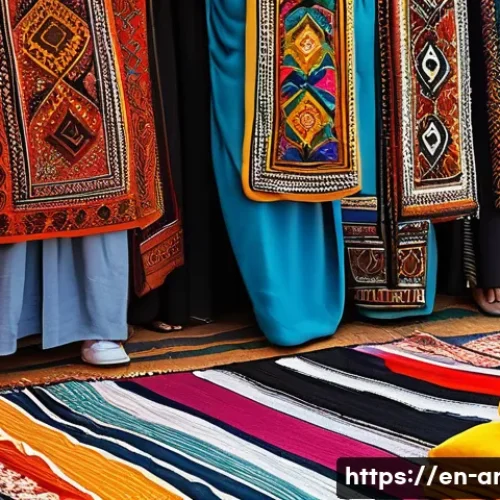
아랍어가 사용되는 국제 기구 - **Prompt 2: Community Development and Empowerment**
    "A vibrant and hopeful scene set in a well-m...

Beyond physical preservation, a significant part of protecting heritage involves promoting cultural awareness and fostering appreciation for the Arabic language and its rich artistic expressions. Initiatives are underway to strengthen the Arabic language itself, including efforts to promote translation and develop tools for accessing information available in Arabic. The Arabic Language International Council, founded in 2007 in accordance with the UN’s International Year of Languages, actively promotes the Arabic language through annual international conferences that gather experts, academics, and policymakers. Furthermore, organizations encourage cultural exchanges, youth and sports programs, and initiatives to advance the role of women in Arab societies. I’ve seen how these efforts extend to showcasing Arabic literature, music, and calligraphy, which have deeply influenced global culture. It’s a powerful way to bridge cultural gaps and foster mutual understanding, allowing the vibrant spirit of Arabic culture to be celebrated and shared with the entire world. It’s about keeping the cultural flame alive and letting it shine brighter than ever.

Advertisement

Navigating Tomorrow: Collaborative Solutions for Complex Issues

It’s clear that the global challenges we face today, from climate change to economic instability, demand nothing less than unified, international effort. What I’ve observed in the Arabic-speaking world is a strong commitment to collective action, with numerous organizations stepping up to tackle these intricate problems head-on. They understand that no single nation can solve these issues alone, and the use of Arabic as a common language facilitates the vital communication needed for true collaboration. These institutions are not just reacting to crises; they are proactively seeking innovative solutions and building frameworks for a more sustainable and peaceful future. It’s a constant dance of diplomacy, expertise, and shared vision, and it’s truly exciting to see the dedication that goes into forging these collective paths forward. The impact of their combined intelligence and resources is truly phenomenal.

Addressing Environmental Concerns

Environmental challenges, like climate change and resource scarcity, are increasingly pressing, and several organizations are mobilizing to address them within the Arab world. While specific large-scale, standalone environmental organizations focusing solely on Arabic are fewer, many broader development and regional bodies integrate environmental sustainability into their mandates. The Arab Network for Environment and Development, for example, focuses on environmental issues and collaborates with international organizations for advocacy and action. Similarly, the World Bank’s initiatives in the MENA region often incorporate aspects of “green growth,” aiming to promote sustainable resource management alongside economic development. The OIC also recognizes sustainable development as a key agenda item, with various institutions contributing to the implementation of Sustainable Development Goals (SDGs) that often include environmental targets. These efforts are critical because environmental issues transcend borders, requiring coordinated regional strategies and shared expertise to protect delicate ecosystems and ensure a healthy future for all. It’s a collective responsibility, and it’s heartening to see these organizations take it so seriously.

Promoting Regional Security and Stability

Maintaining peace and stability in a region as strategically vital and complex as the Middle East is an ongoing endeavor that heavily relies on international cooperation. The Arab League, for instance, serves as a crucial forum for its member states to coordinate policy positions, deliberate on common concerns, and mediate disputes. Historically, it has played a role in limiting conflicts and drafting landmark documents promoting economic integration, which in turn contributes to stability. The OIC also places a high priority on upholding international peace and security, developing mechanisms for conflict prevention, mediation, and peaceful resolution. Arab states themselves have increasingly acted as mediators in regional and international conflicts, leveraging their diplomatic influence to facilitate dialogues between conflicting parties. For me, observing these diplomatic engagements, even when they’re incredibly challenging, underscores the profound importance of sustained dialogue and the role that a common language like Arabic plays in making those difficult conversations possible. It’s a constant process of negotiation and compromise, all working towards a more secure future.

My Journey of Discovery: The Unseen Impact

Honestly, before diving headfirst into researching these organizations, I had a general understanding of their existence, but the true depth and breadth of their impact were largely unseen by me. It’s one thing to read a headline, and another entirely to grasp the intricate web of diplomacy, humanitarian aid, and cultural preservation that happens daily, all woven together by the Arabic language. What has truly resonated with me is the unwavering commitment of countless individuals working within these bodies, often far from the limelight, to make a tangible difference in the lives of millions. It’s a powerful reminder that global progress isn’t just about grand treaties; it’s about persistent effort, cultural understanding, and the shared human desire to build a better world. This journey has not only broadened my knowledge but also deepened my appreciation for the interconnectedness of our global community.

Seeing the Human Element

What really sticks with me after all this research isn’t just the names of organizations or their impressive mandates; it’s the sense of the human element at play. I’ve pictured the interpreters working tirelessly at the UN, ensuring every word is accurately conveyed, or the aid workers on the ground, connecting with communities using their shared language. These aren’t abstract entities; they are people – dedicated professionals, volunteers, and local community leaders – whose shared use of Arabic enables them to build trust, convey empathy, and deliver vital services. From providing healthcare in refugee camps to advocating for educational reforms, the success of these programs often hinges on effective, culturally sensitive communication, which Arabic provides. It’s a reminder that behind every policy and every aid package, there are real human connections being forged, and that, for me, is the most powerful takeaway of all. This personal connection, this ability to truly understand and be understood, is what transforms good intentions into real, impactful change.

Beyond Headlines: A Deeper Understanding

Before this deep dive, my understanding of the Arab world’s engagement in international affairs might have been shaped by fleeting news cycles, often focusing on political tensions. But what I’ve discovered is a far richer, more nuanced picture. These organizations, through their consistent and often quiet work in areas like cultural preservation, economic development, and peacebuilding, paint a compelling narrative of proactive engagement and global responsibility. It’s a narrative of collaboration, resilience, and a steadfast commitment to improving collective well-being. This perspective has fundamentally shifted how I view the region’s role on the international stage, seeing it not just as a recipient of global attention but as a powerful, contributing force. It encourages me, and I hope it encourages you, to look beyond the surface and appreciate the immense, often unsung efforts that contribute to a more stable and prosperous global community. There’s so much more to learn, and I’m genuinely excited to keep exploring this fascinating space.

Organization Primary Focus Areas Role of Arabic Language
United Nations (UN) Global peace, security, human rights, sustainable development One of six official languages, crucial for diplomacy and official documents.
League of Arab States (Arab League) Political, economic, social, cultural coordination among Arab states Primary working language, central to all internal and external communications.
Organisation of Islamic Cooperation (OIC) Promoting Islamic values, solidarity, cooperation in various fields Key official language, essential for communication among member states.
ALECSO (Arab League Educational, Cultural and Scientific Organization) Education, culture, science, heritage preservation in the Arab world Core language for all initiatives, publications, and cultural programs.
UNRWA (UN Relief and Works Agency) Humanitarian aid and human development for Palestine refugees Essential for direct communication and service delivery to beneficiaries.
Advertisement

Wrapping Things Up

So, as we bring this deep dive to a close, it’s truly amazing to reflect on how profoundly the Arabic language weaves through the fabric of global relations. It’s more than just a means of communication; it’s a living bridge connecting cultures, fostering understanding, and driving progress across countless international organizations. My hope is that this journey has illuminated just how vital Arabic is, not only for diplomacy and aid but also for preserving a heritage that enriches us all. It’s an indispensable tool for anyone truly looking to engage with a significant portion of our world.

Useful Info You’ll Want to Know

1. If you’re ever considering learning a new language, Modern Standard Arabic (MSA) is a fantastic starting point. It’s the standardized form used in official communications, media, and education across the Arab world, making it a powerful gateway to understanding diverse cultures and engaging with current events.

2. Remember that cultural nuances are just as important as linguistic ones. When communicating across cultures, a little research into local customs and etiquette goes a long way in building trust and avoiding misunderstandings, especially in a high-context communication culture like many Arabic-speaking societies.

3. Many international organizations, including the UN and various regional bodies, offer internships or volunteer opportunities. If you’re passionate about global communication or development, exploring these avenues can provide invaluable hands-on experience and a chance to make a real difference, often leveraging Arabic language skills.

4. Stay curious about the world! Following news from diverse sources, especially those from Arabic-speaking regions, can offer unique perspectives and deepen your understanding of global events that often get filtered through a Western lens. I personally found that my Arabic proficiency opened up entirely new narratives.

5. Supporting initiatives that promote multilingualism and cultural exchange is crucial. Whether it’s through education or community programs, every effort to bridge language gaps strengthens our global community and fosters peace, contributing to a more inclusive and interconnected world.

Advertisement

Key Takeaways

In essence, Arabic is far more than just a language; it’s a powerful engine for international cooperation, a bedrock for humanitarian efforts, and a guardian of unparalleled cultural wealth. Its central role in global organizations underscores its enduring significance in shaping diplomacy, driving development, and fostering understanding across diverse nations. Embracing its importance is key to navigating our increasingly interconnected world effectively and respectfully, truly making it a bridge that connects civilizations and fosters mutual appreciation.

Frequently Asked Questions (FAQ) 📖

Q: Which international organizations are we actually talking about when we say

A: rabic plays a central role, and what makes them so crucial? A1: Oh, this is such a fantastic question and truly gets to the heart of why I’m so passionate about this topic!
When I talk about international organizations where Arabic is central, I’m often thinking about a dynamic mix of institutions. On one hand, you have major bodies like the United Nations, where Arabic is one of the six official languages, meaning countless documents, debates, and diplomatic exchanges happen daily in Arabic.
Think about the UN Economic and Social Commission for Western Asia (ESCWA) or UNHCR’s extensive operations in Arabic-speaking regions; their impact is undeniable.
Then there are organizations primarily focused on the Arab world, like the League of Arab States (often just called the Arab League) or the Organization of Islamic Cooperation (OIC), which, while broader, heavily relies on Arabic given the language’s cultural and religious significance to many of its member states.
What makes them so crucial, from my perspective, is their direct influence on regional stability, fostering inter-state dialogue, and coordinating responses to crises.
I’ve personally seen how their frameworks provide a much-needed platform for nations to address shared challenges, from economic integration to cultural preservation, which is incredibly vital in a complex and interconnected world.
It’s not just about diplomacy; it’s about tangible cooperation that affects millions of lives.

Q: Beyond just “making a difference,” what are some tangible ways these organizations positively impact global issues, and how have you seen this firsthand?

A: That’s where the real magic happens, isn’t it? It’s one thing to talk about impact, and another to see it in action. From my deep dives and observations, these organizations are genuinely making a difference in incredibly tangible ways across several global issues.
Take humanitarian aid, for instance. During crises, international bodies, often working through or alongside local Arab-speaking partners, coordinate massive relief efforts – I’m talking about getting food, shelter, and medical supplies to people who desperately need them.
I’ve followed stories where these groups were instrumental in setting up refugee camps, ensuring access to education for displaced children, and even facilitating safe passage for civilians in conflict zones.
Economically, they’re behind significant infrastructure projects and initiatives that promote sustainable development, helping countries build stronger, more resilient economies.
I recall reading about a program facilitated by an organization that helped empower local entrepreneurs, particularly women, across several Arabic-speaking nations, which was just so inspiring.
And let’s not forget cultural preservation! With Arabic being the vehicle for such a rich history and artistic heritage, many organizations actively fund and support efforts to safeguard historical sites, promote contemporary arts, and ensure the Arabic language itself thrives amidst globalization.
It truly underscores how collaboration can lead to concrete, life-changing results.

Q: Why is

A: rabic such a vital language for these international efforts, and how does its role influence their effectiveness? A3: Oh, this is a point I absolutely love emphasizing because it really highlights the depth of engagement required for effective international work!
Arabic isn’t just another language in these organizations; it’s a cornerstone that profoundly impacts their effectiveness. Firstly, it’s about cultural fluency and authenticity.
When communication happens in Arabic, it’s not just about translating words; it’s about conveying nuances, understanding cultural contexts, and building genuine rapport.
I’ve noticed that when officials or aid workers can directly engage in Arabic, it immediately fosters a stronger sense of trust and understanding with local populations, which is absolutely critical for effective diplomacy, aid distribution, or policy implementation.
Secondly, from a purely practical standpoint, Arabic is spoken by hundreds of millions of people across a vast and strategically important region. Operating in Arabic means direct access to information, deeper insights into local challenges, and the ability to disseminate vital information quickly and accurately to the communities most affected.
It significantly reduces communication barriers that could otherwise hinder progress. You know, what really stands out to me is how using Arabic allows these organizations to tap into local expertise and wisdom more effectively, empowering regional voices and ensuring that solutions are not just imposed, but are genuinely co-created and sustainable.
It’s about respect, efficiency, and ultimately, far greater impact.